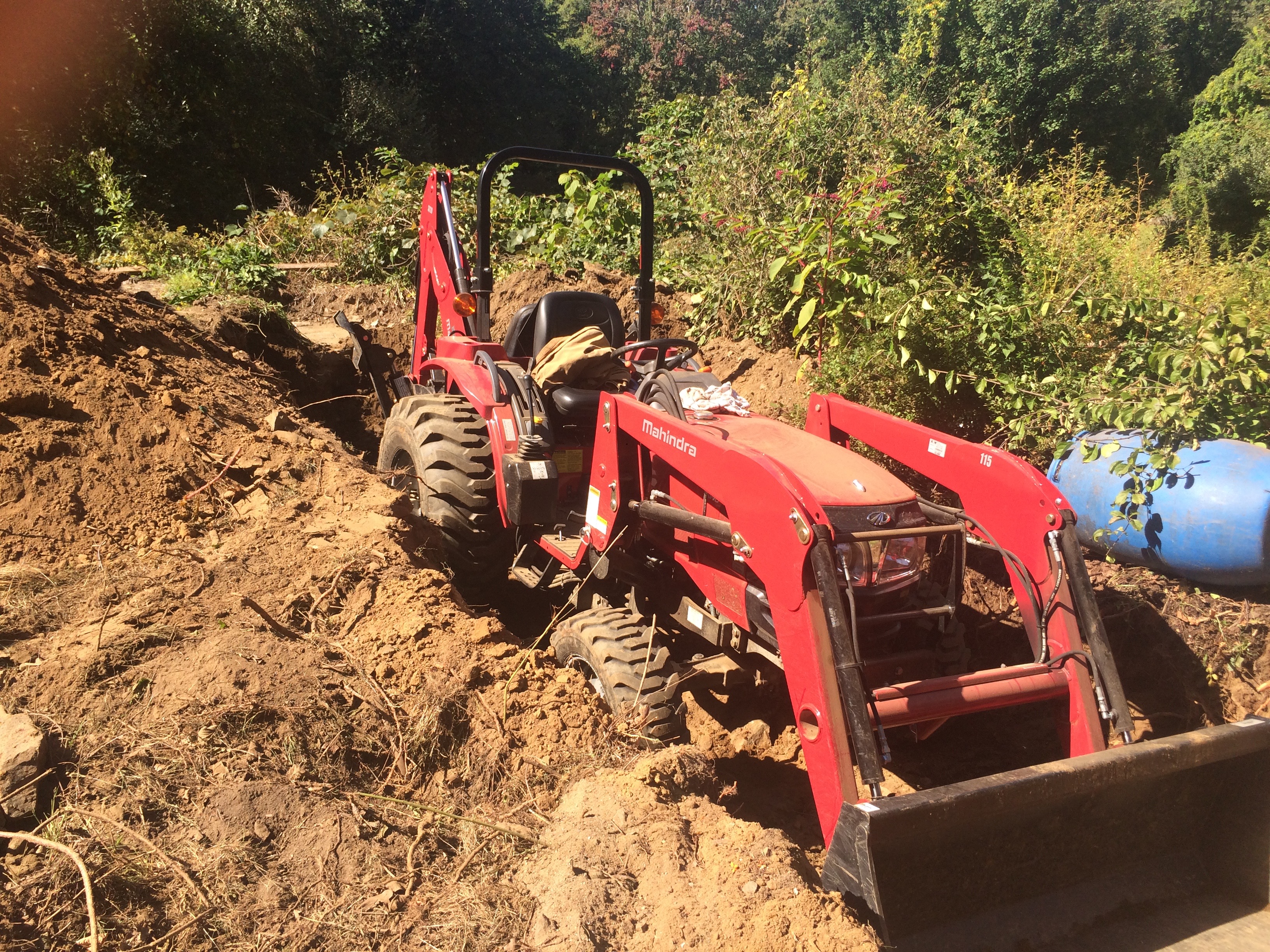
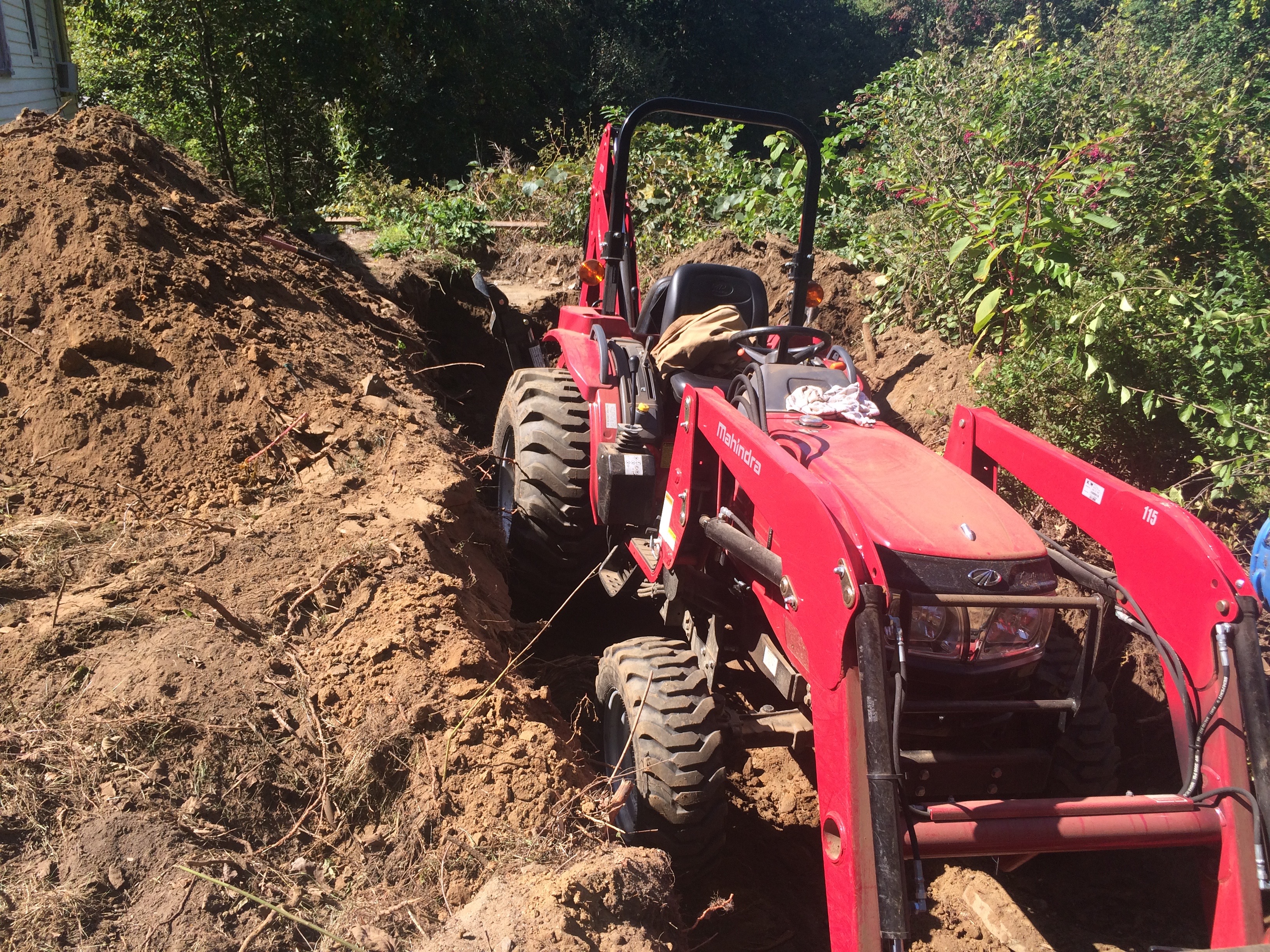
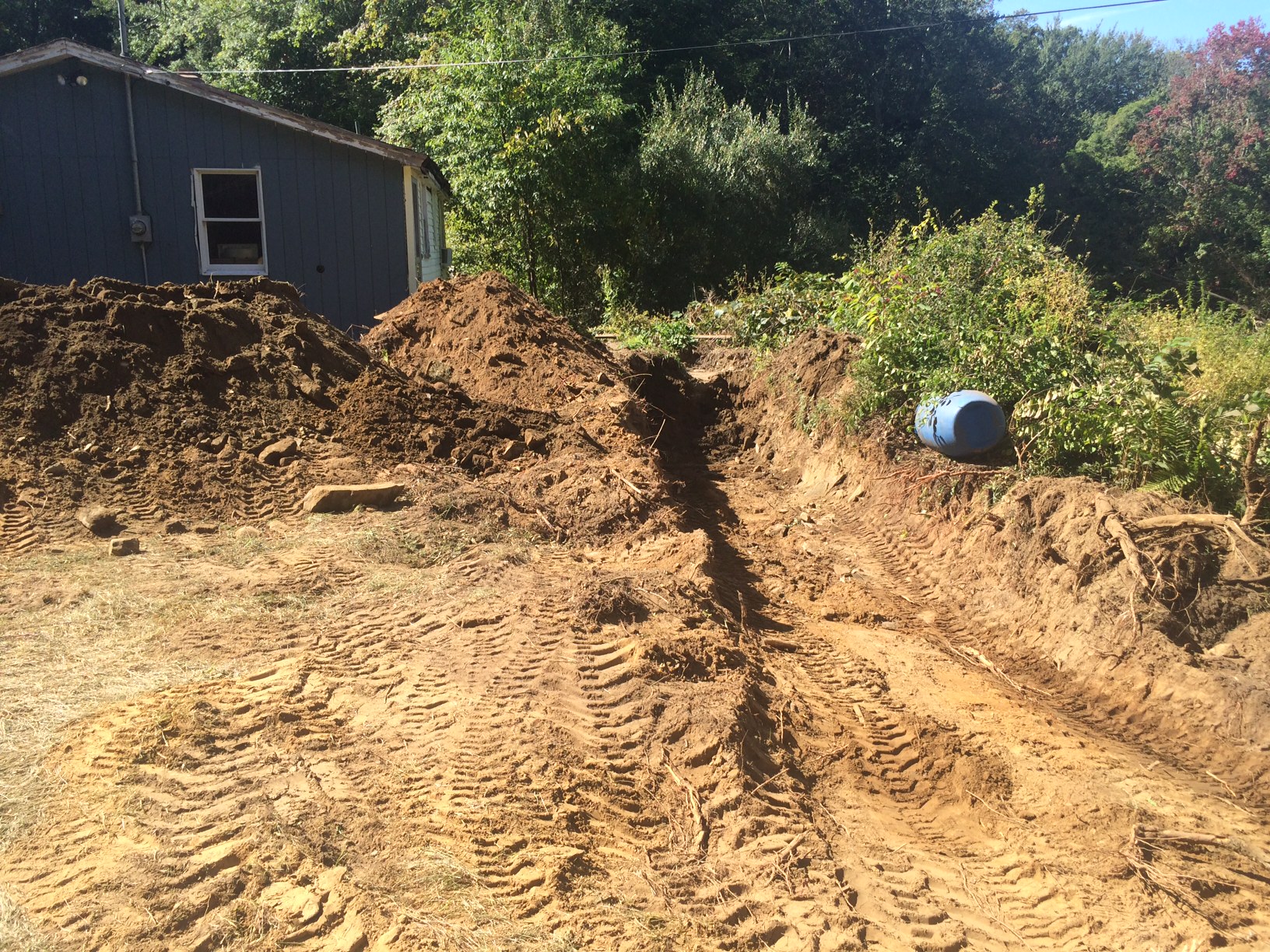
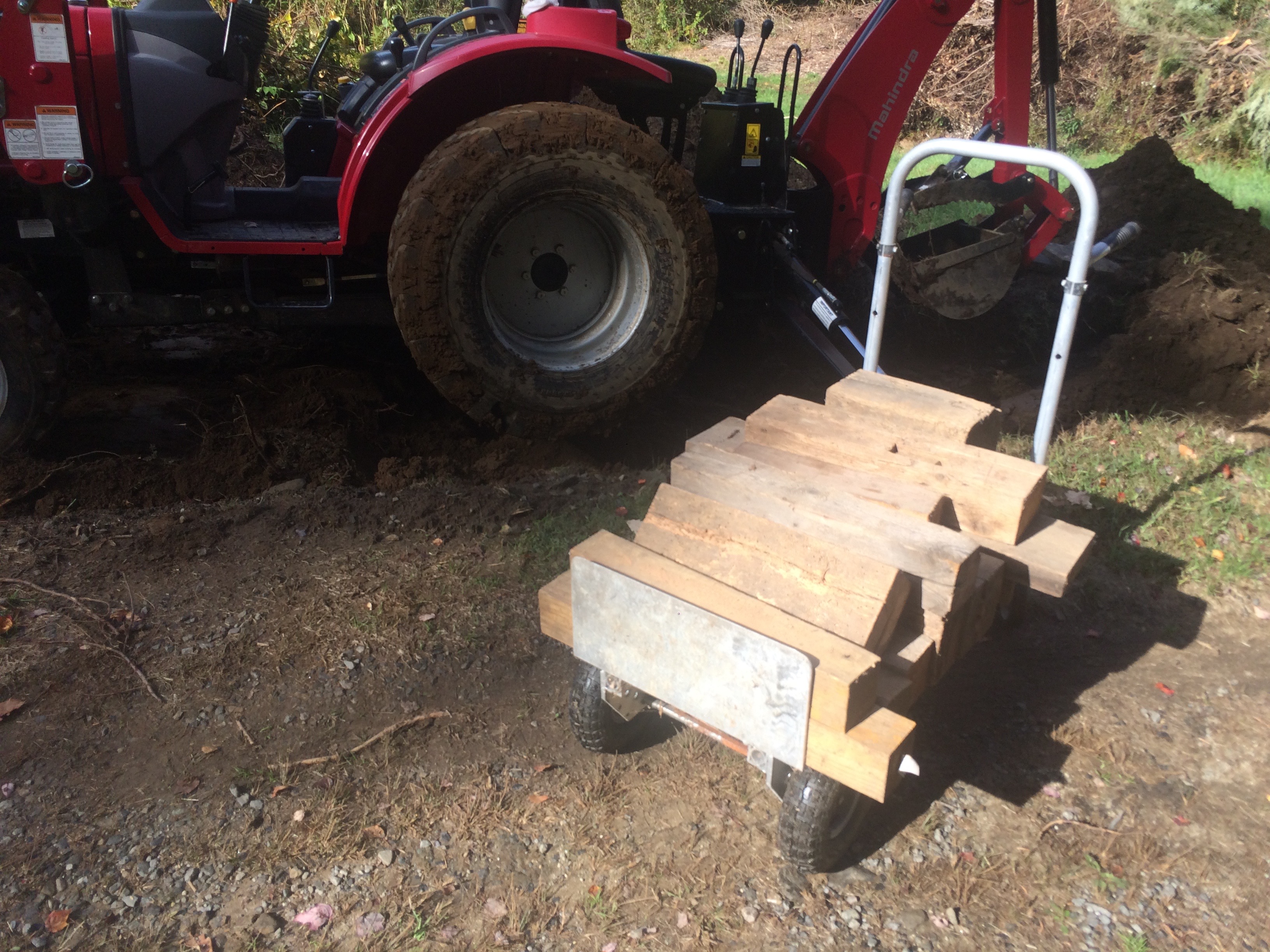
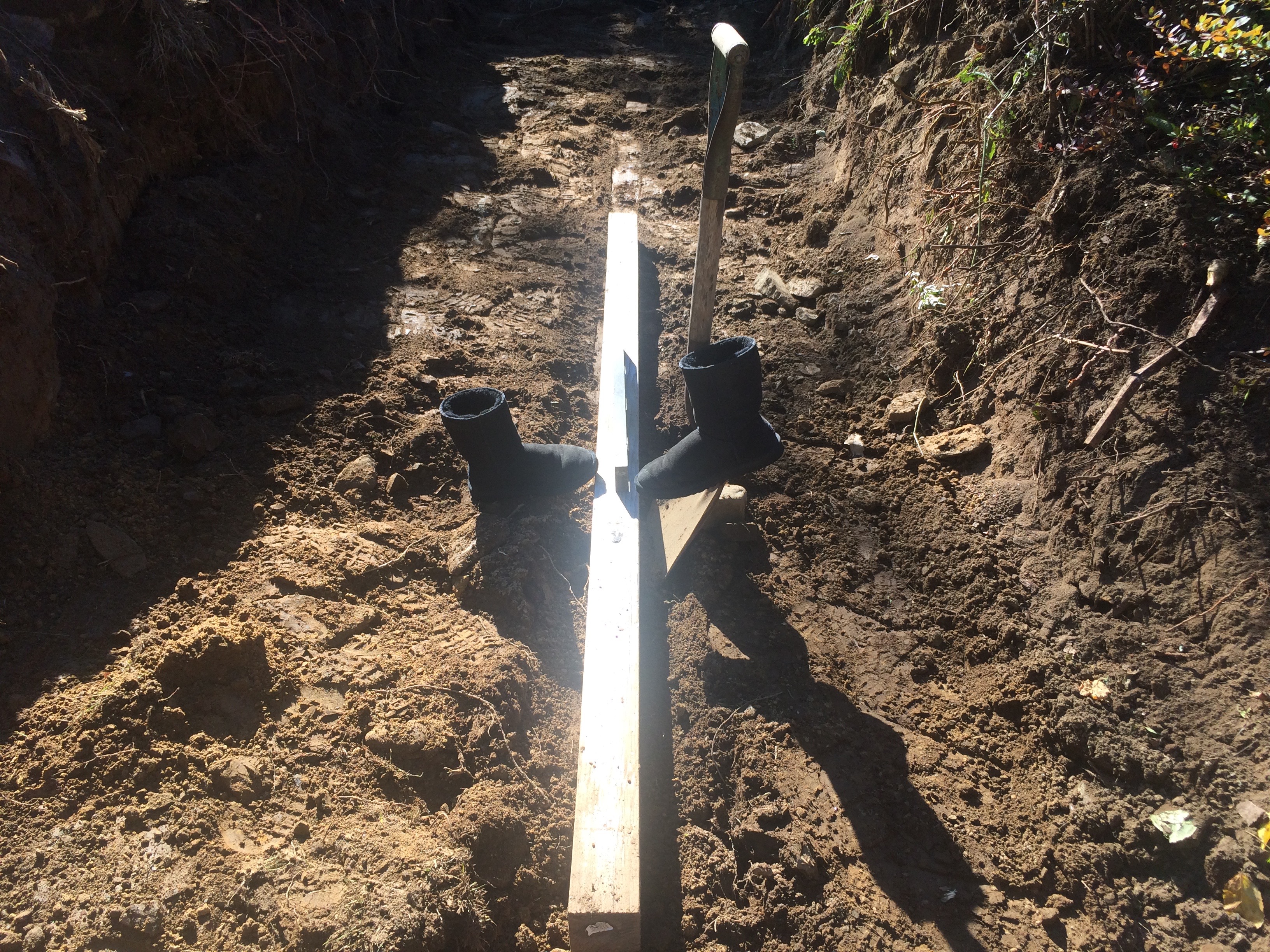
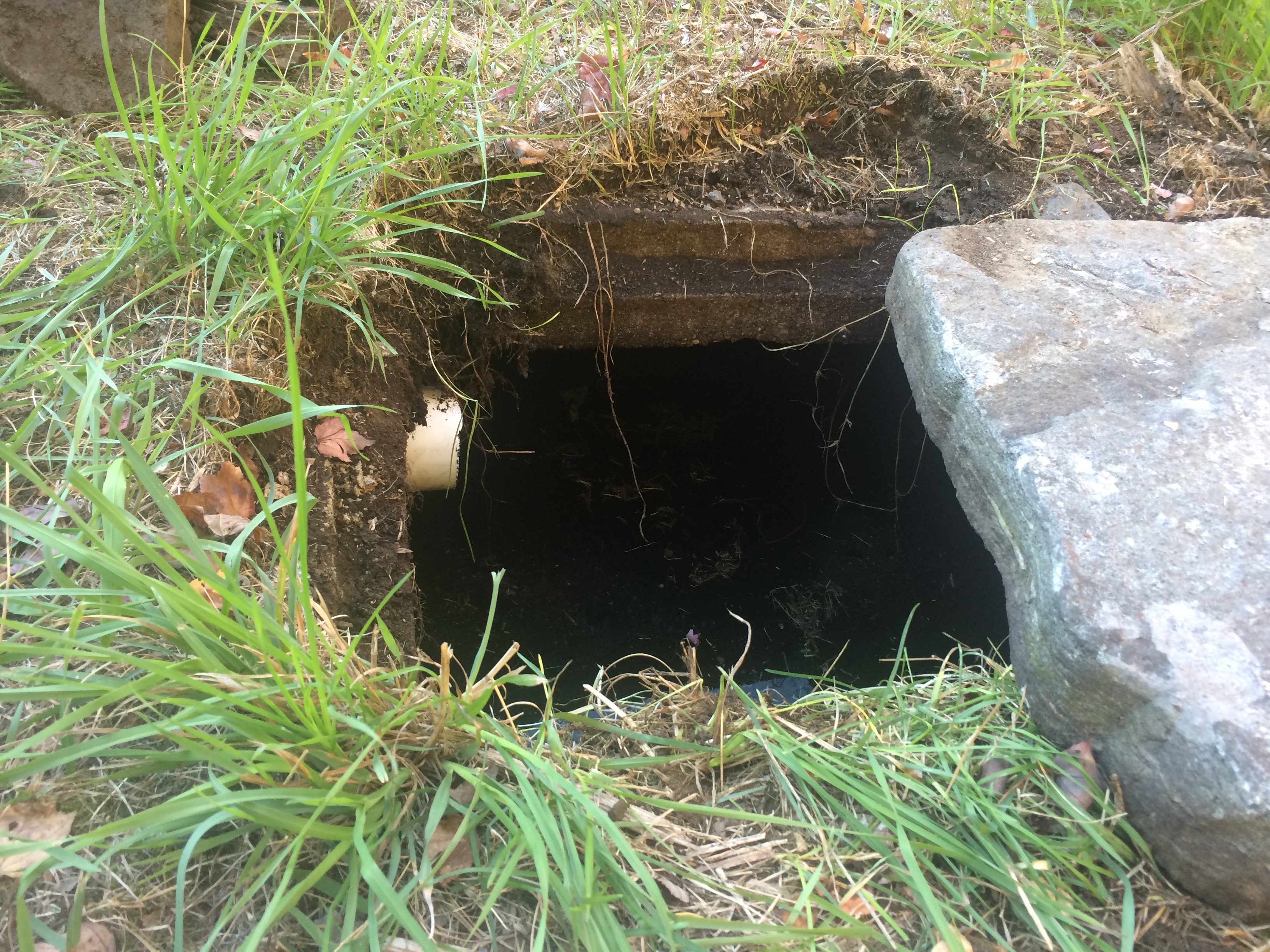
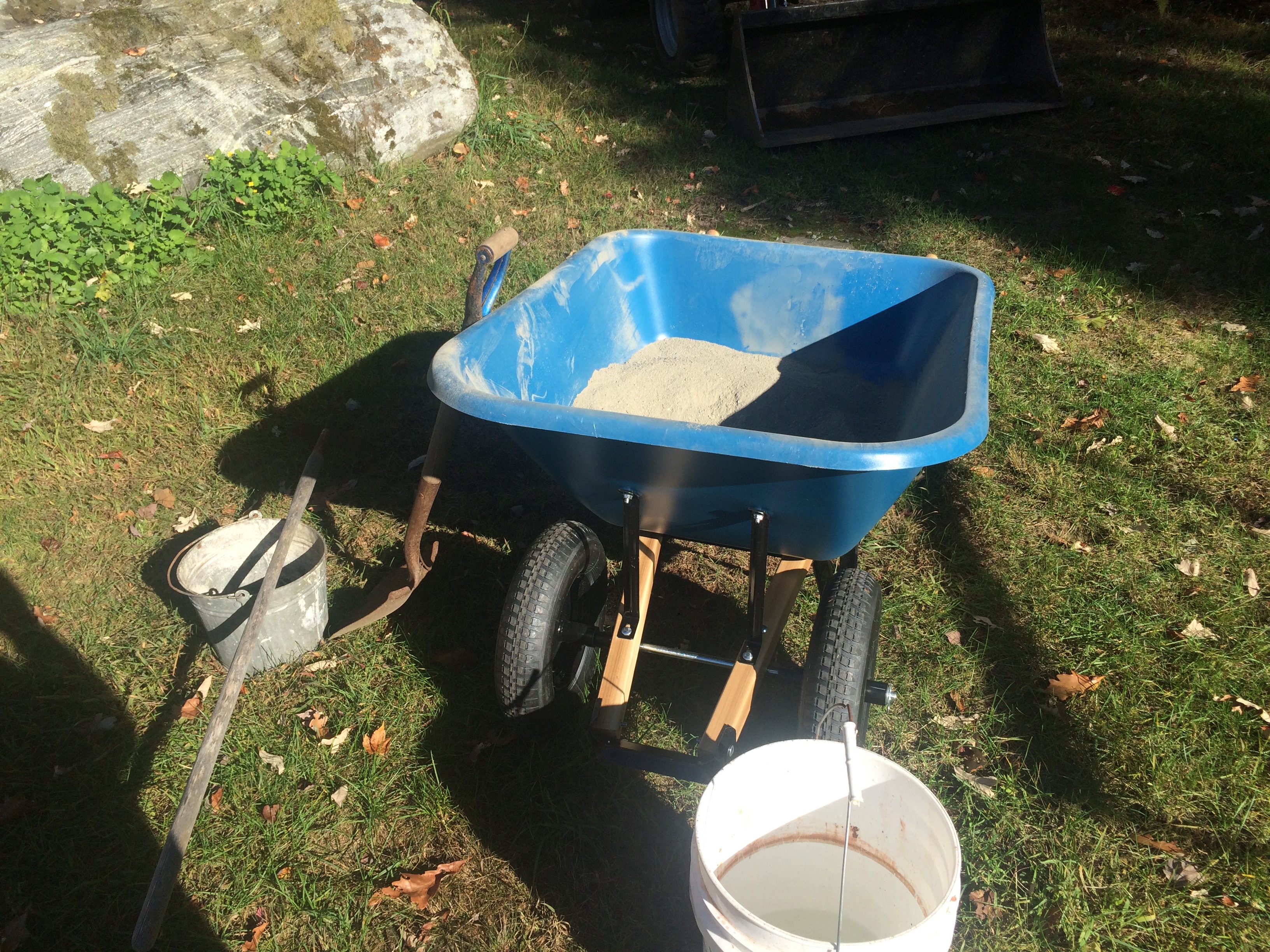
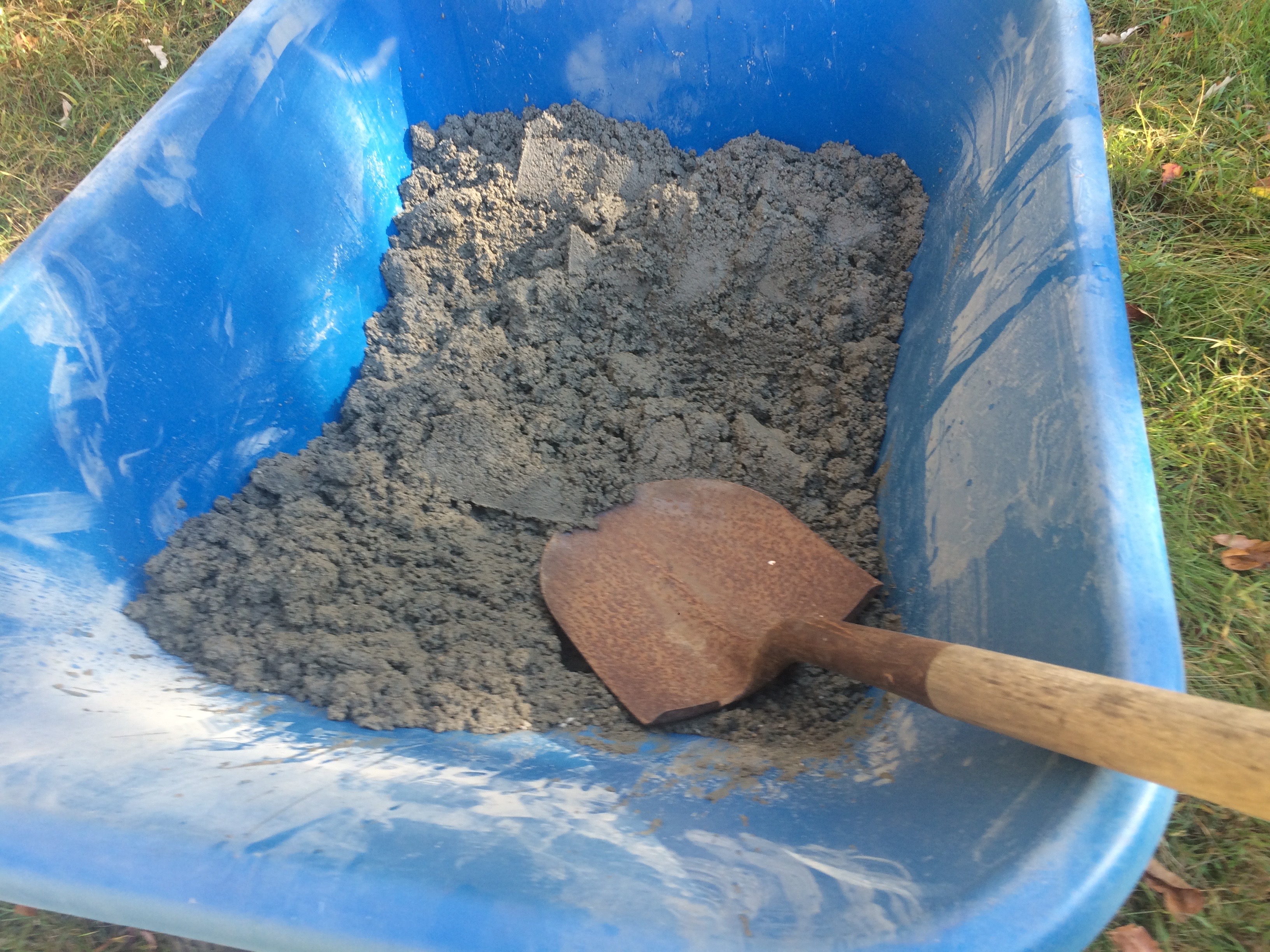
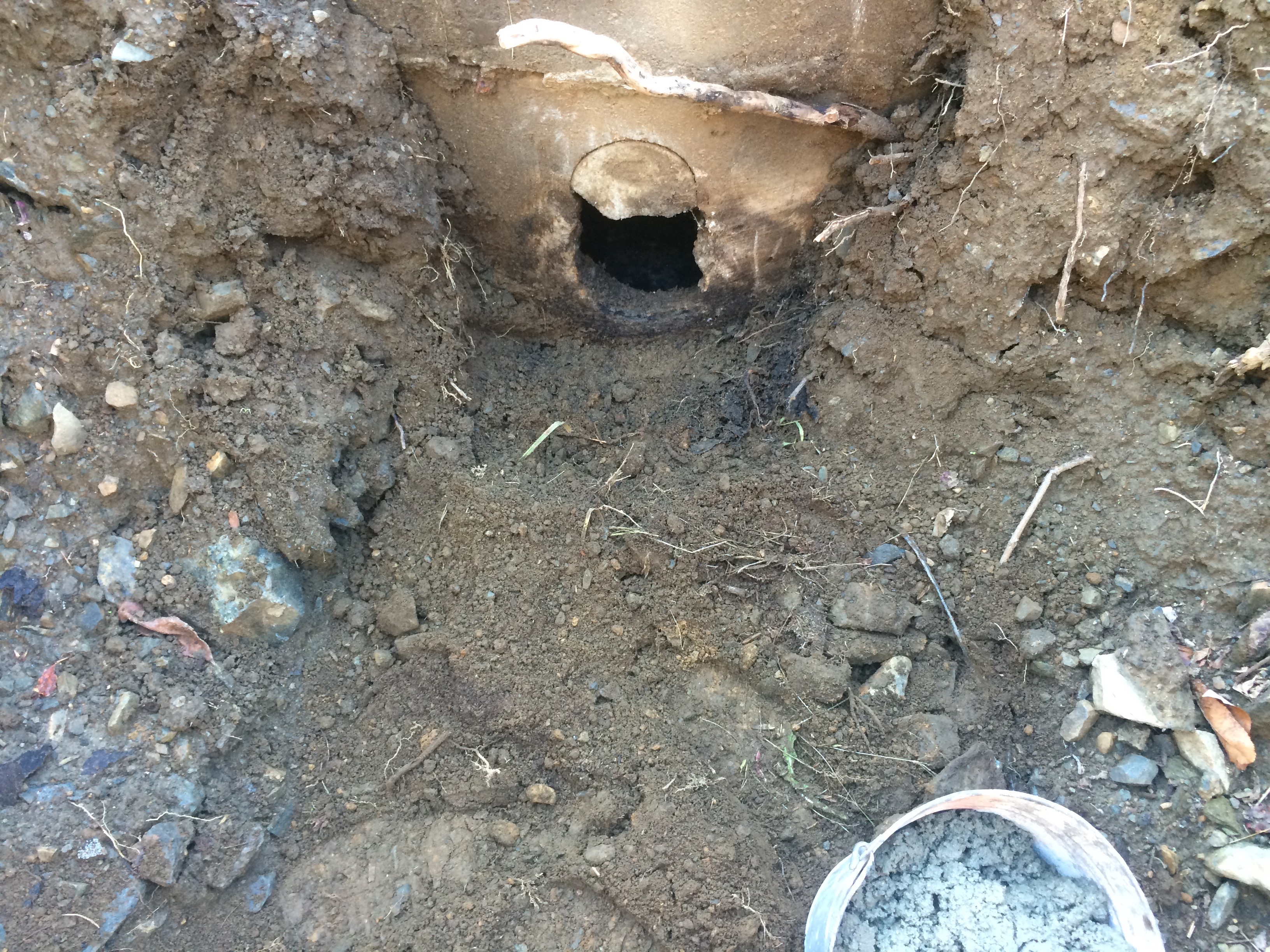
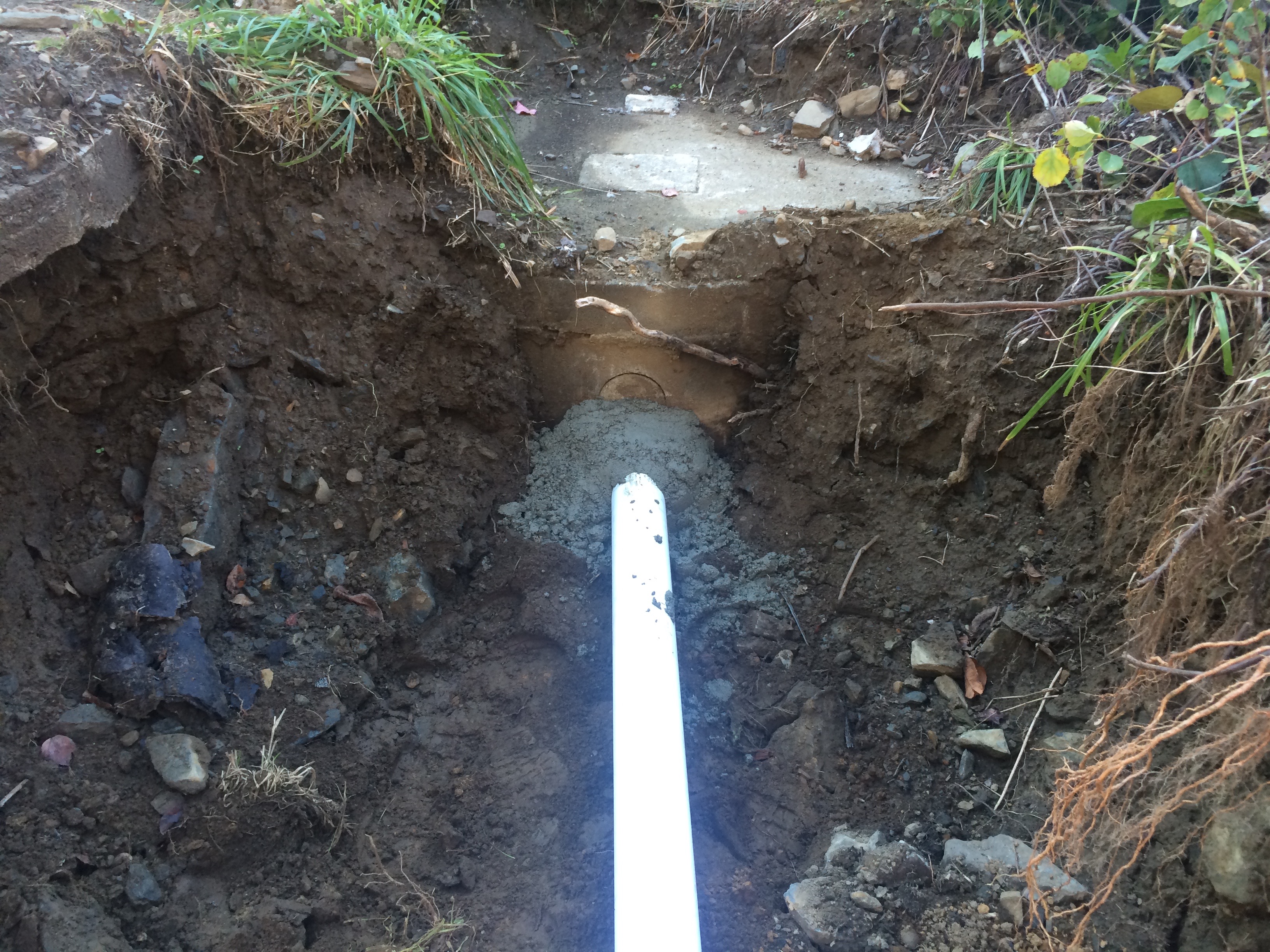
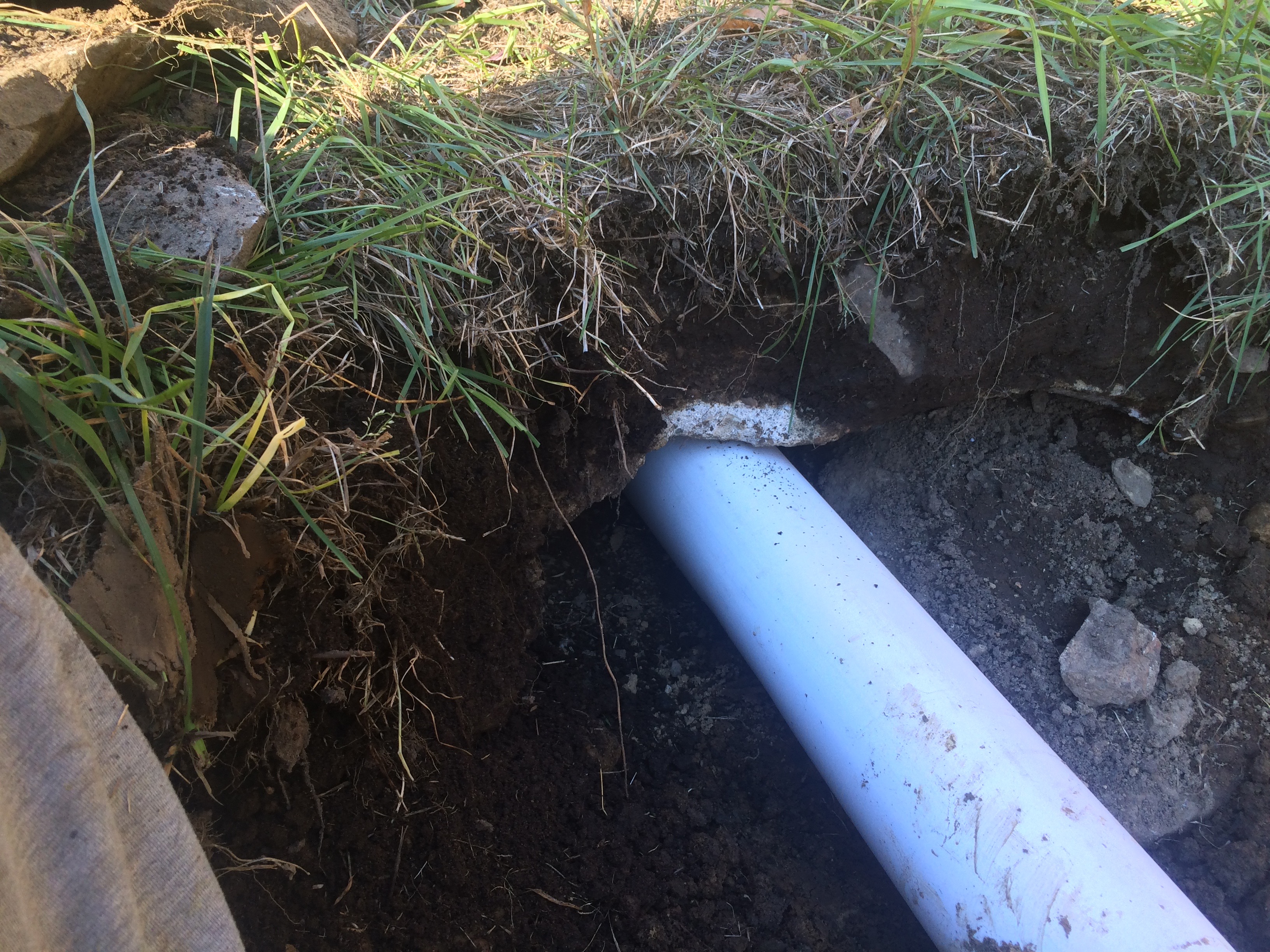
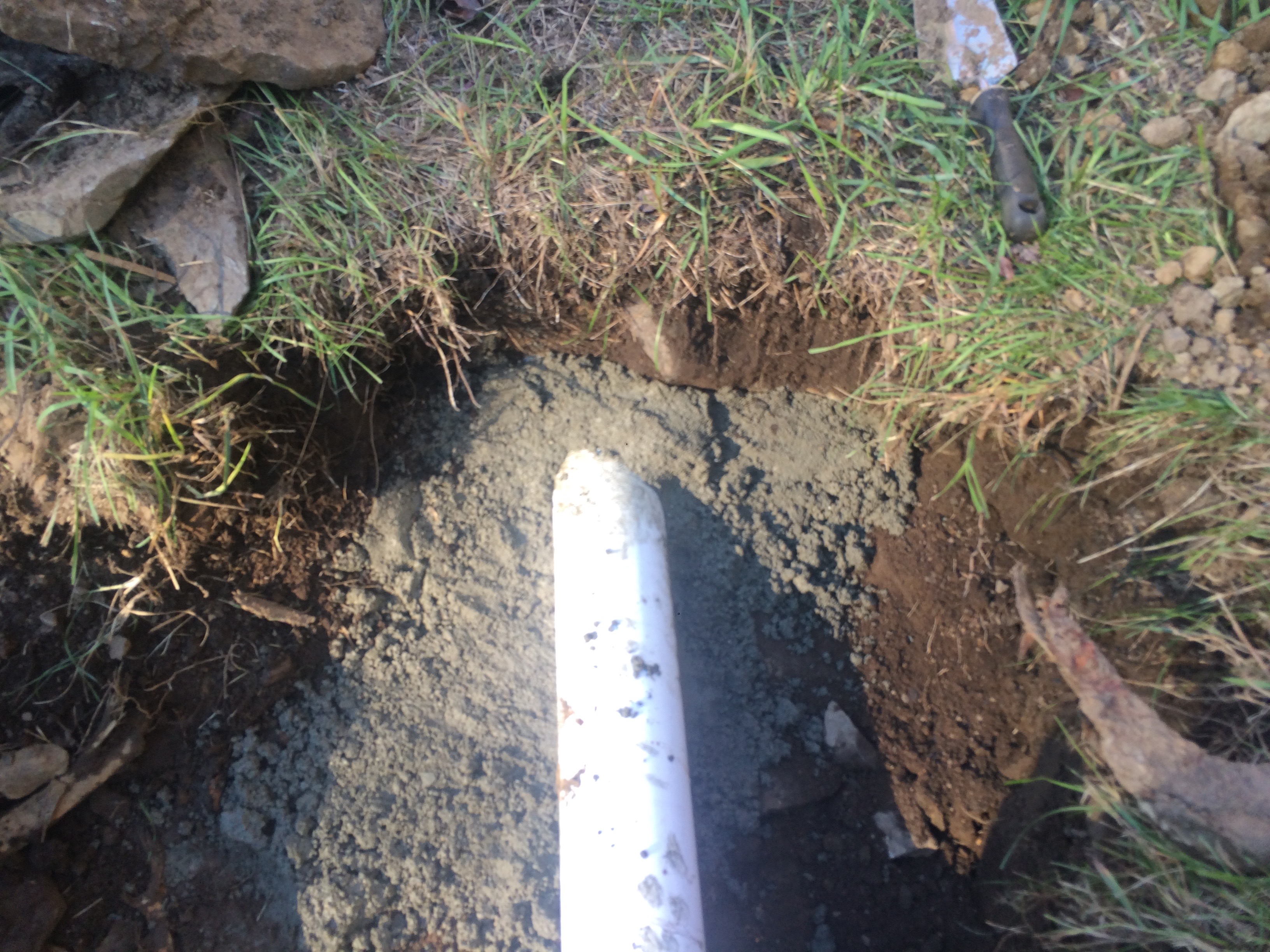
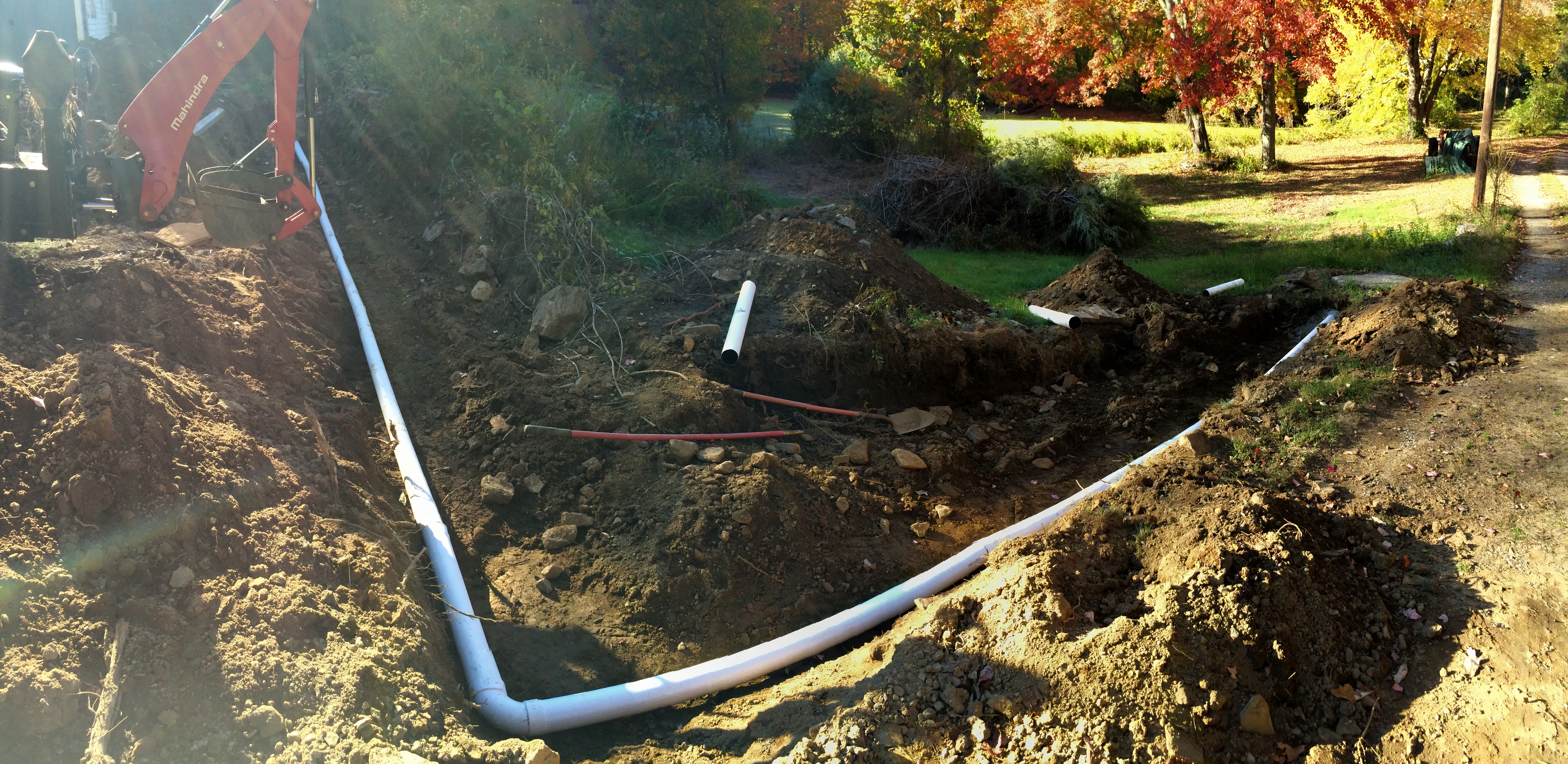
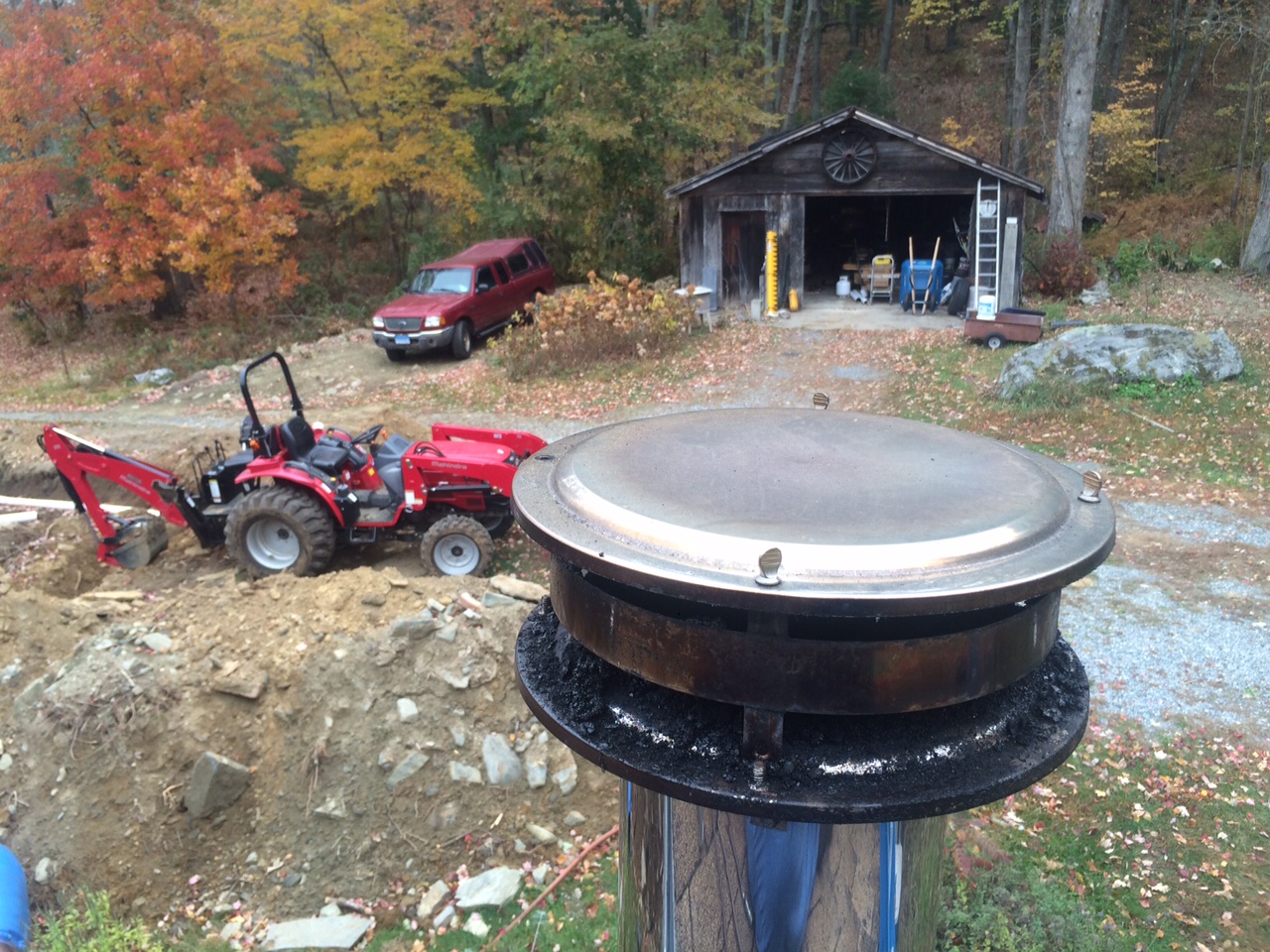
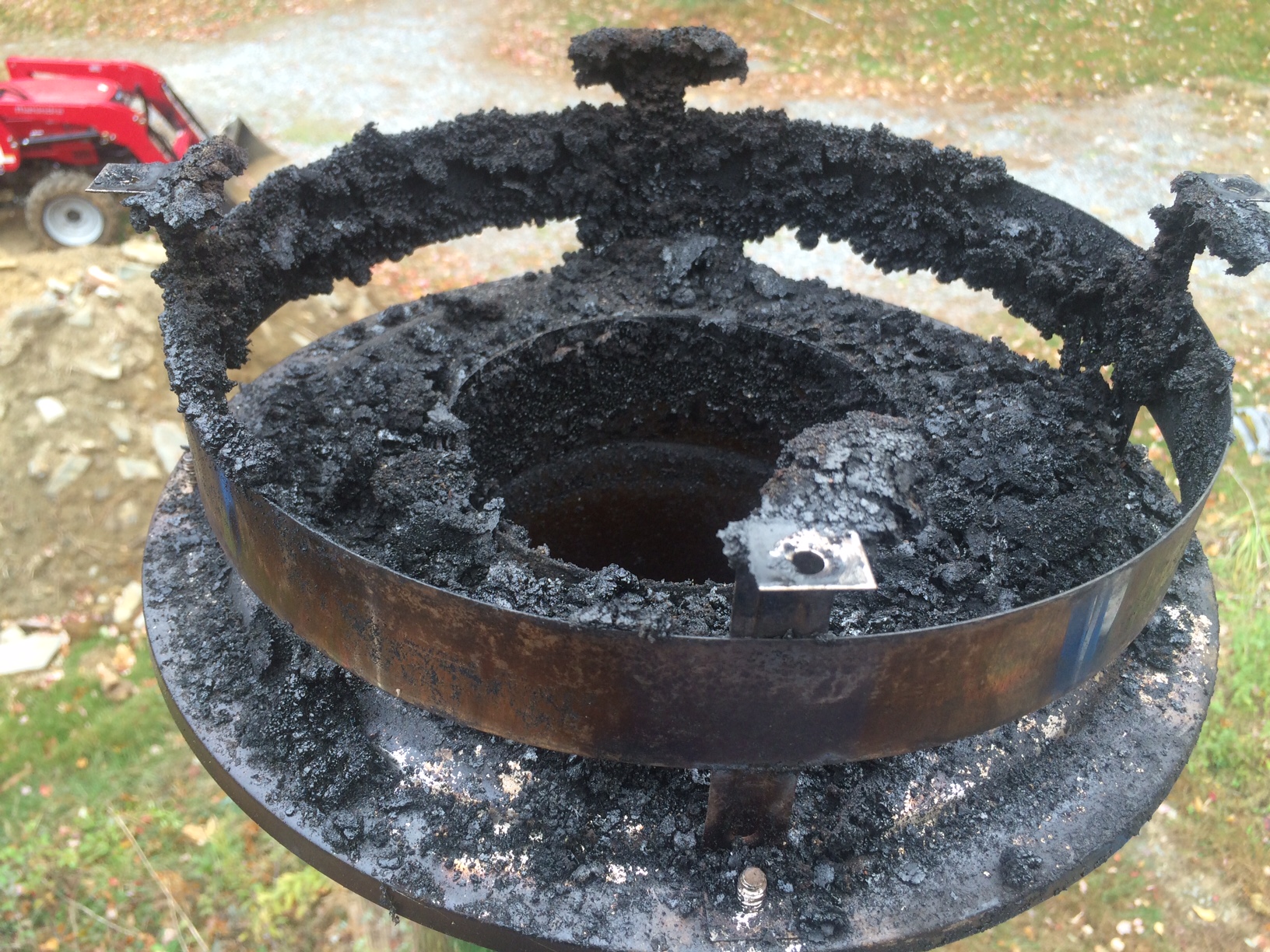
When I had the tank pumped, the septic guy said the dry well was clean, too clean. He said to call if the tank backed up, that there might be roots in the pipe. I figured being 50+ year old Orangeburg pipe I might as well replace it while the tank wasn't full yet (and since I only send ~15 gallons a day into it I had a few weeks to do the work).
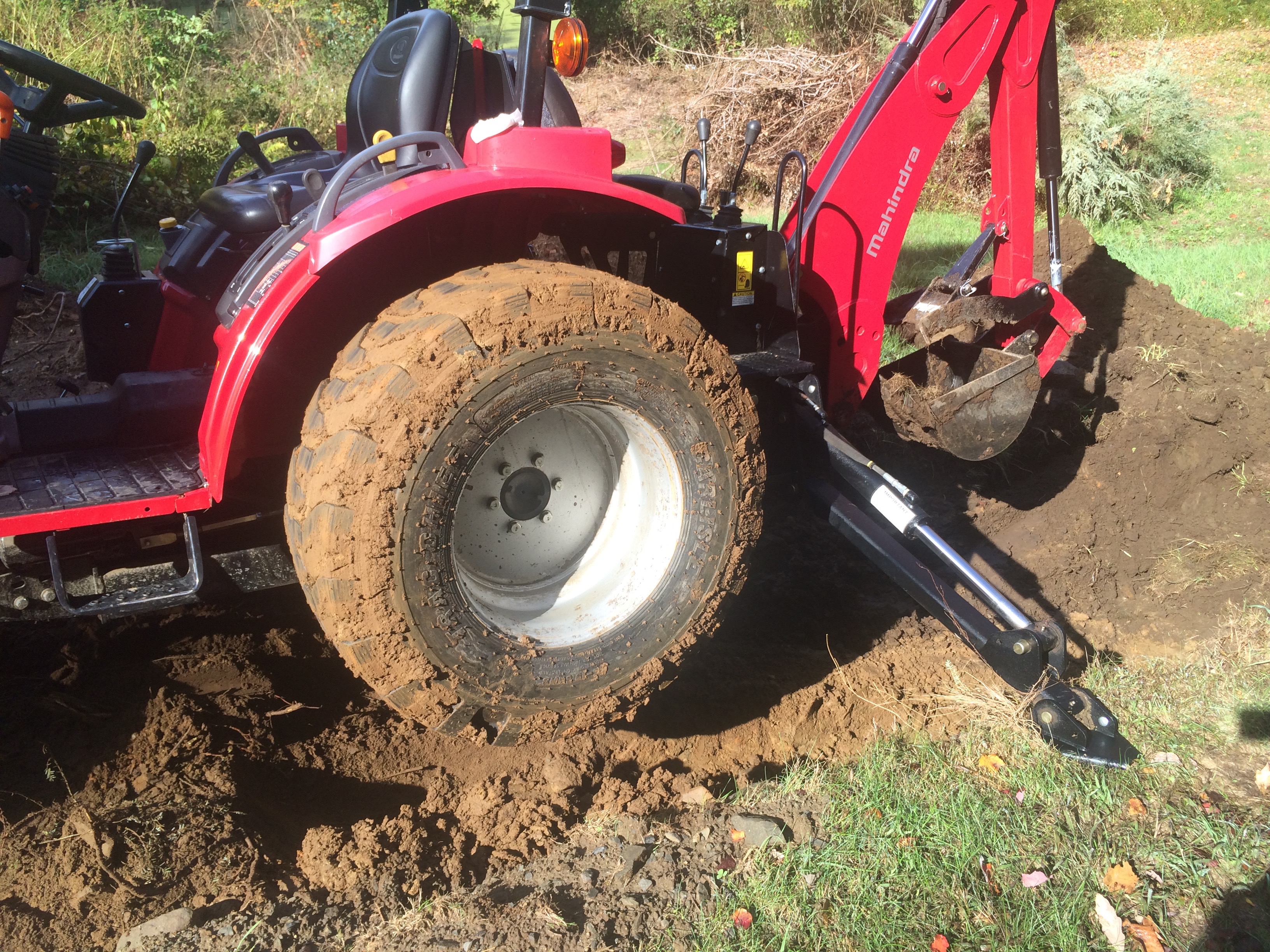
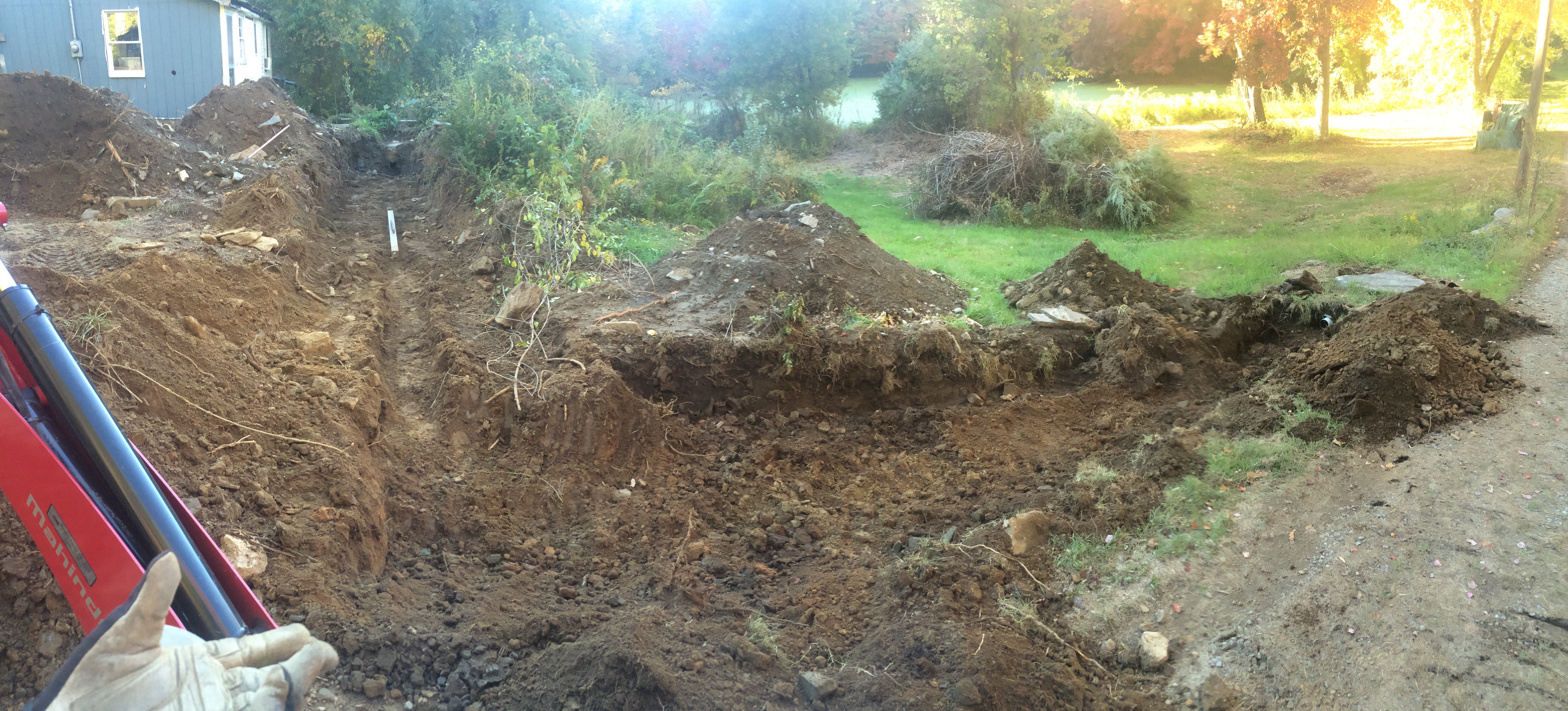
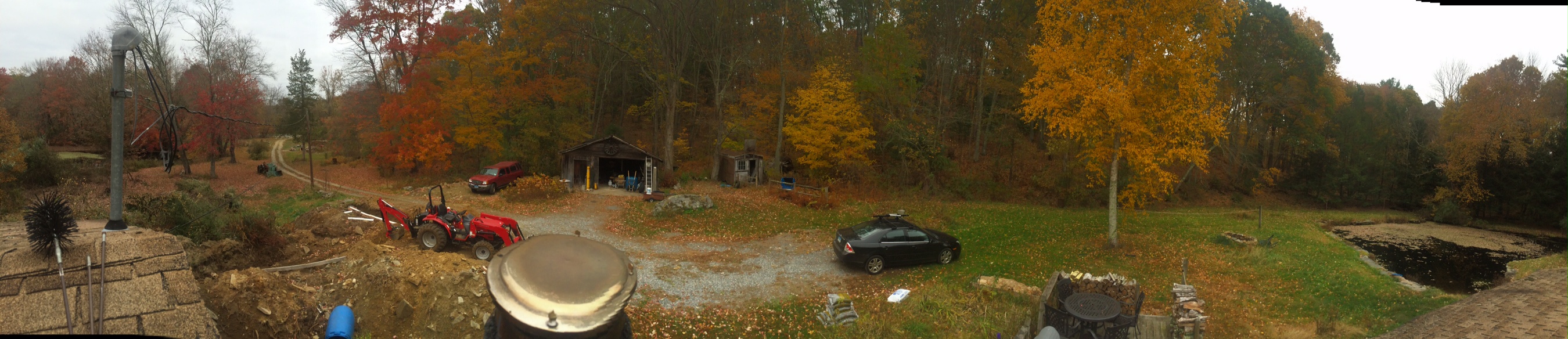
Figured out pretty quick it was faster to dig with the front end loader than to use the backhoe :D But then I can back in with the backhoe first for some of the "fine" work.
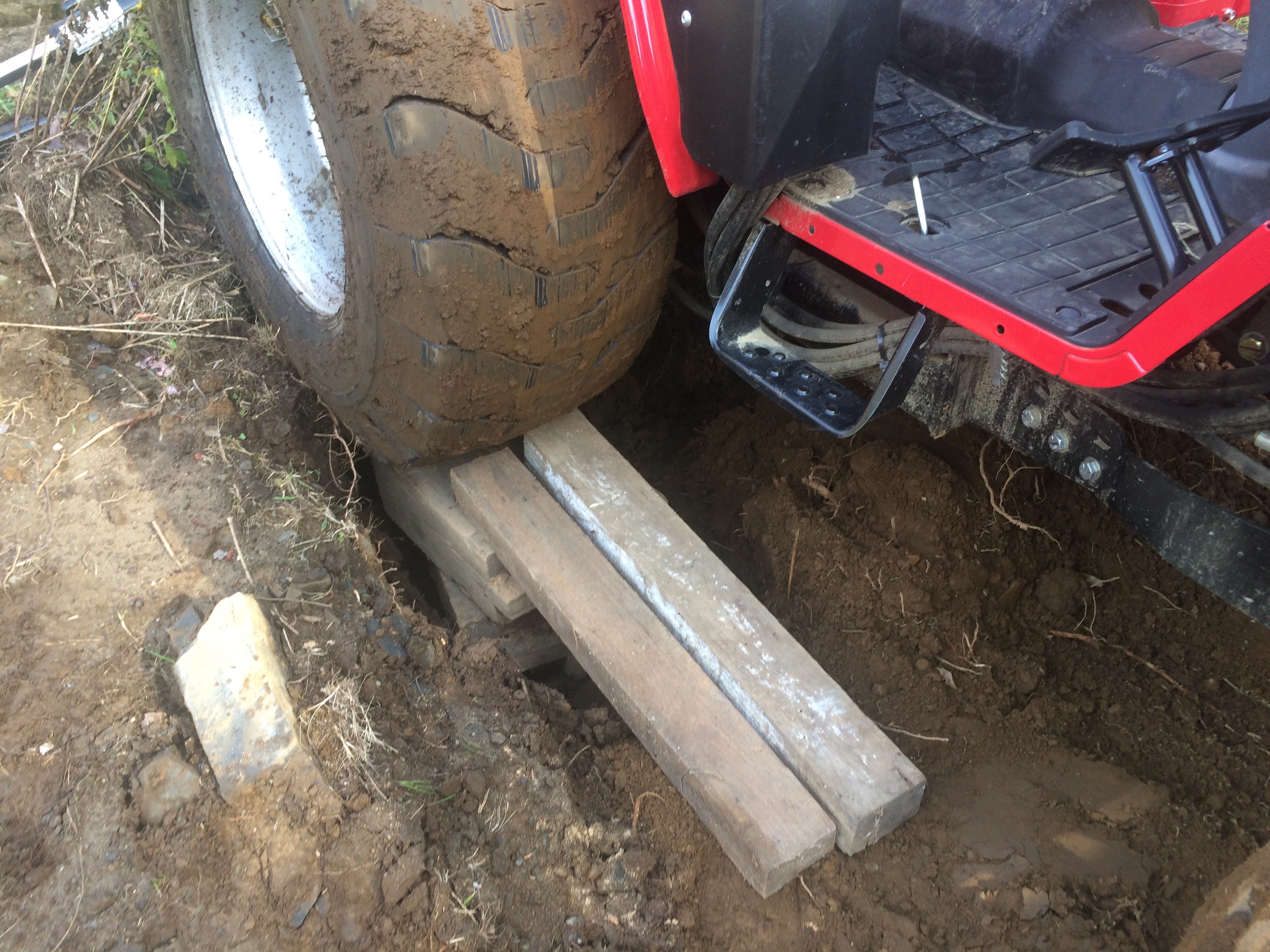
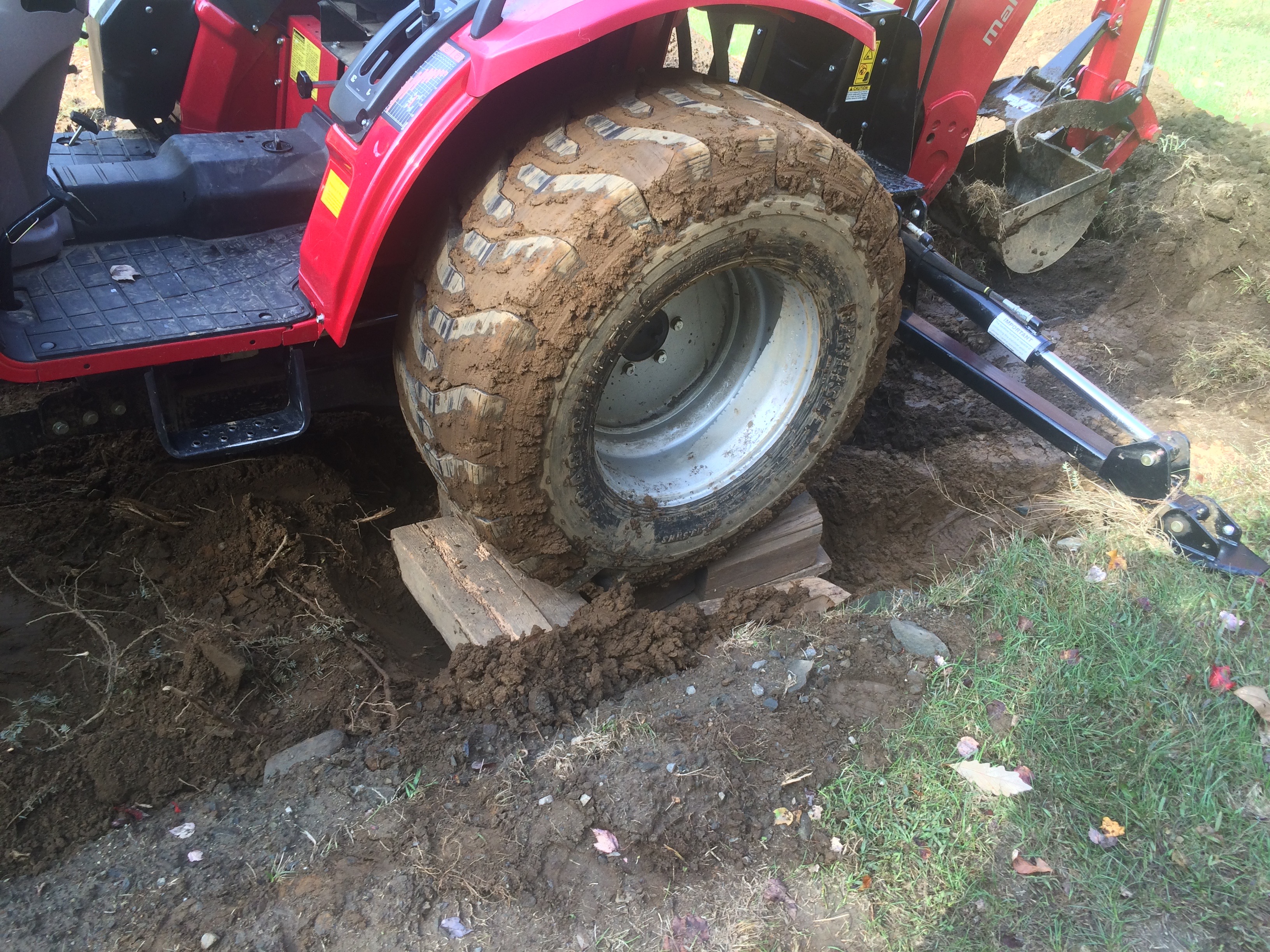
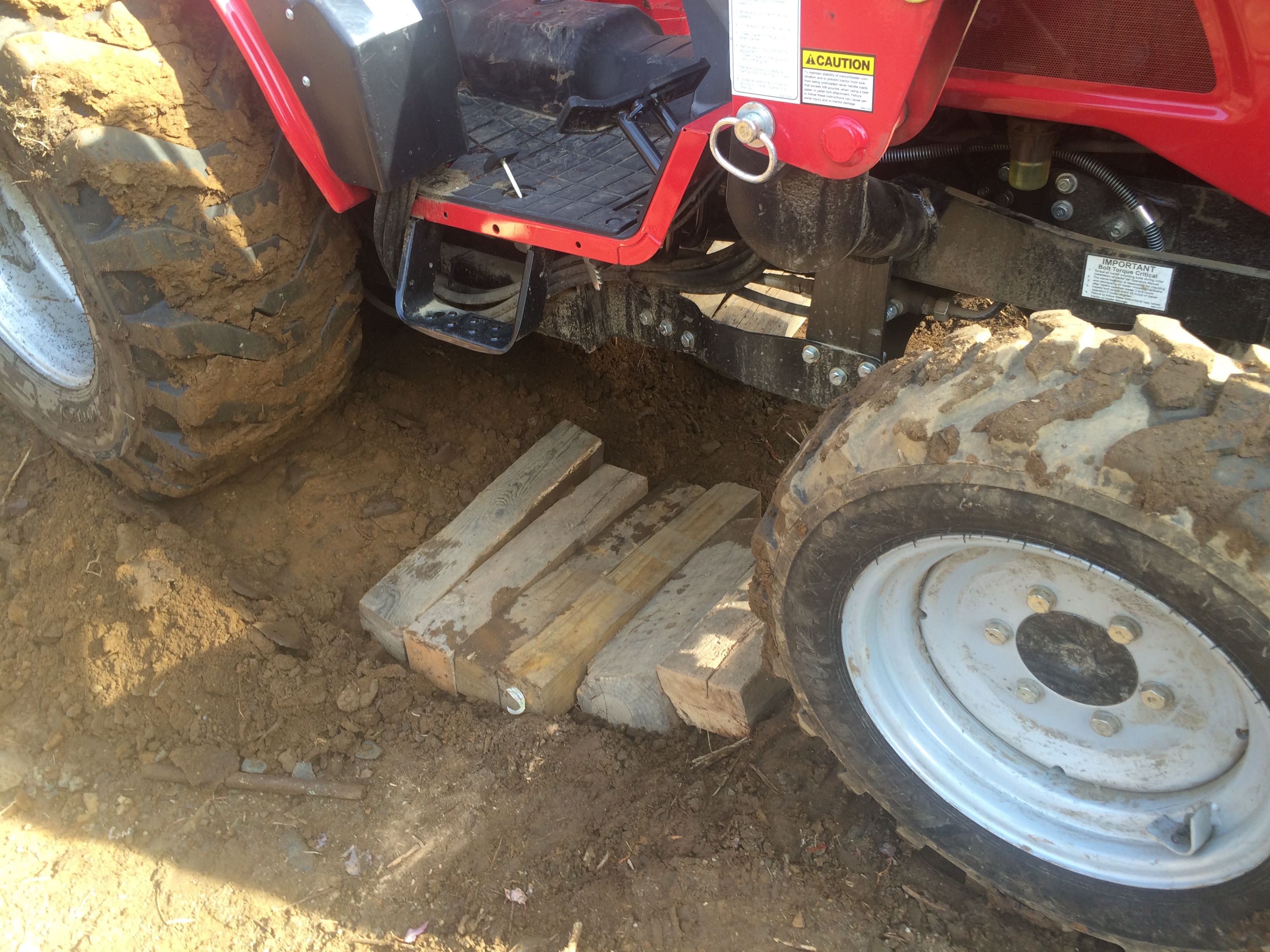
Then we had 5" of rain before I finished up the other leg...
But I remembered how we get the Ladder truck at Mortlake out when it gets stuck in the mud :D
It's all backfilled now...but I have to finish the final grading, and seeding will need to wait to spring I guess.
By the time I worked at the Telegram & Gazette, the printing plates were made by photolithography -- though from 2000 to 2005 we transitioned from mostly cutting and pasting laser printed articles to form a page to be faxed to the printing plant (by very large and sophisticated fax machines) to more and more being pages laid out on the computer and sent directly.
Linotype -- I knew where the machines *had* been at the T&G:
And from before they had Linotype; in the 20th century this would've been used for small print orders like business cards and blank invoices:
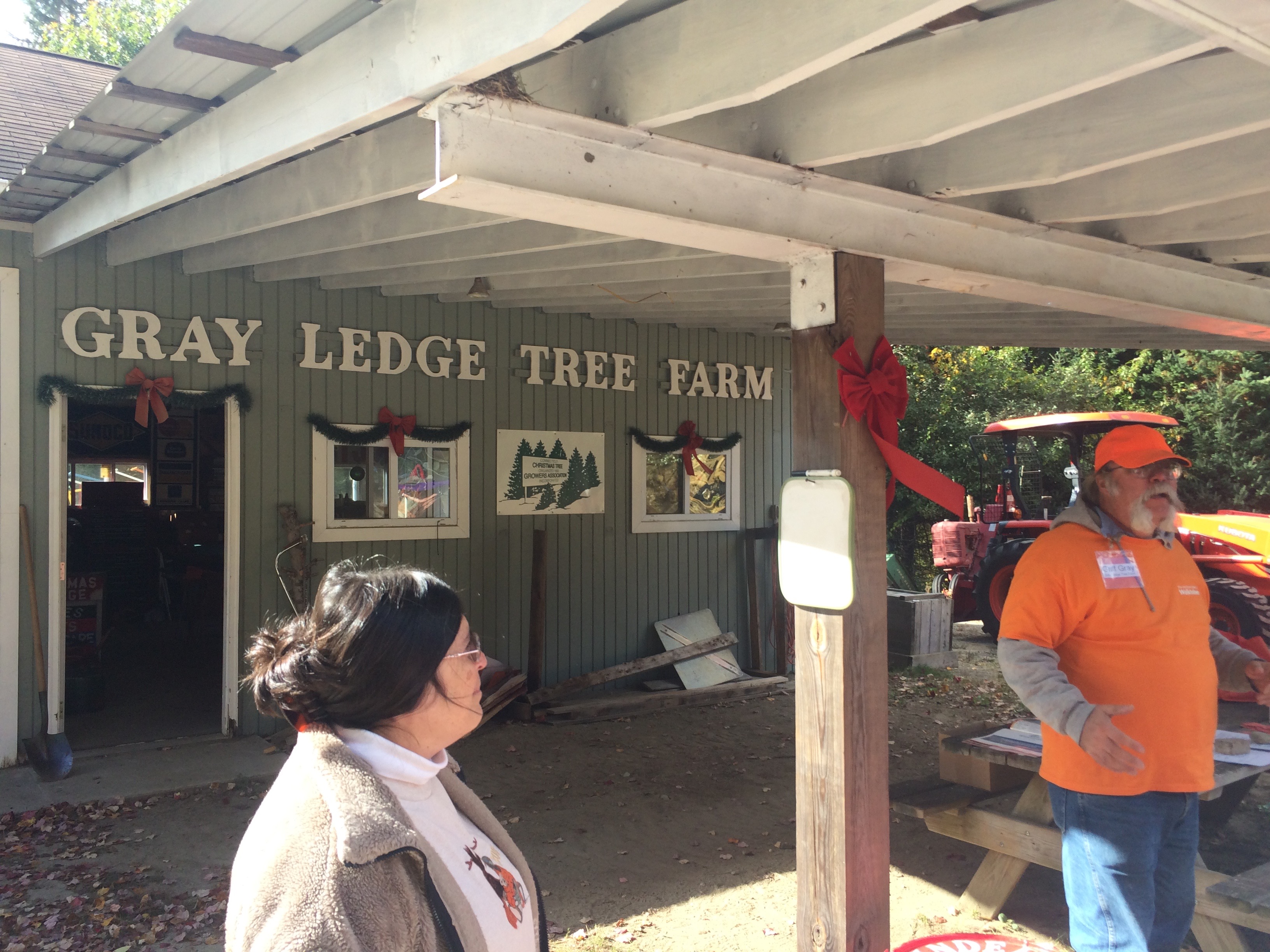
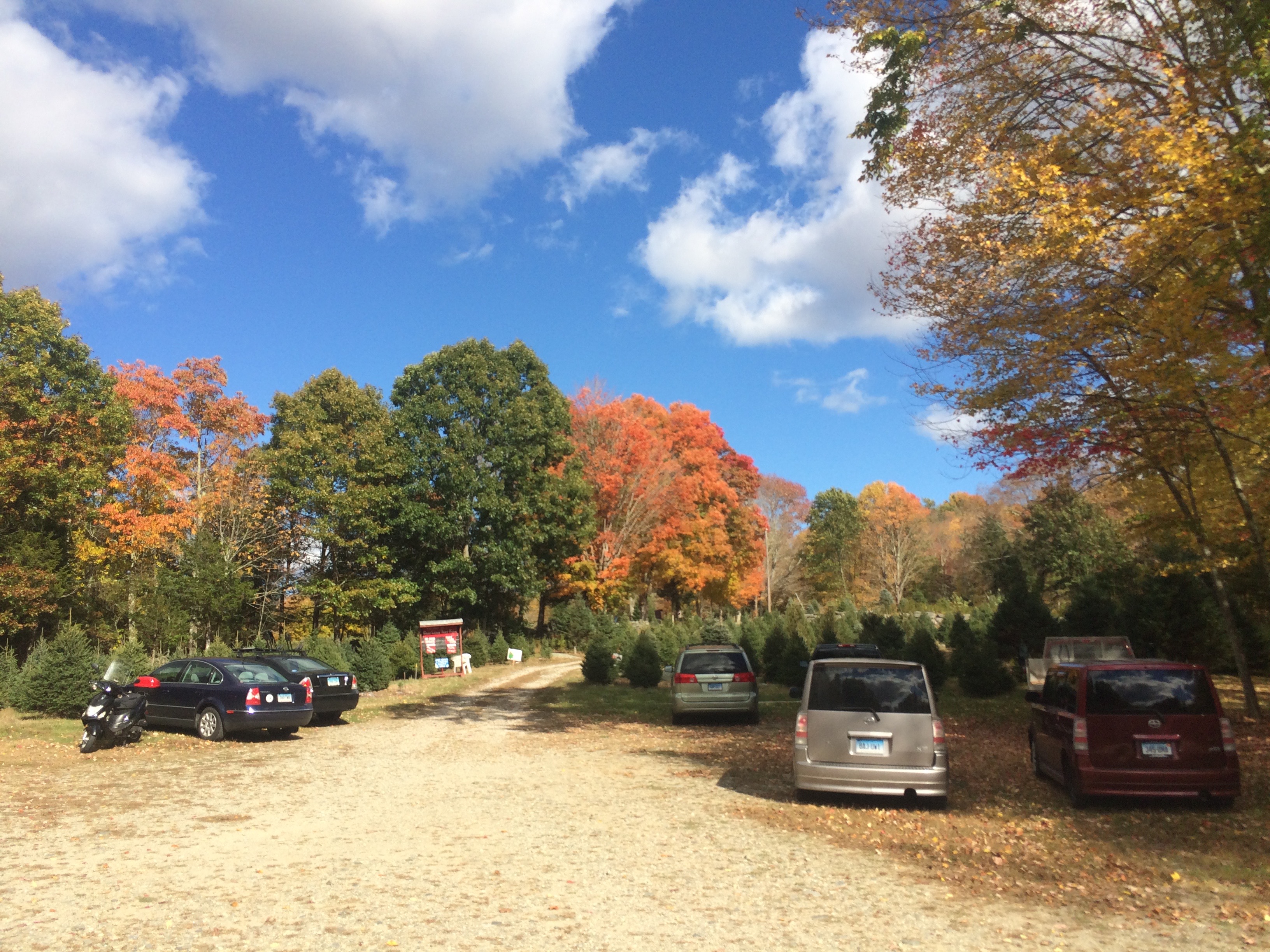
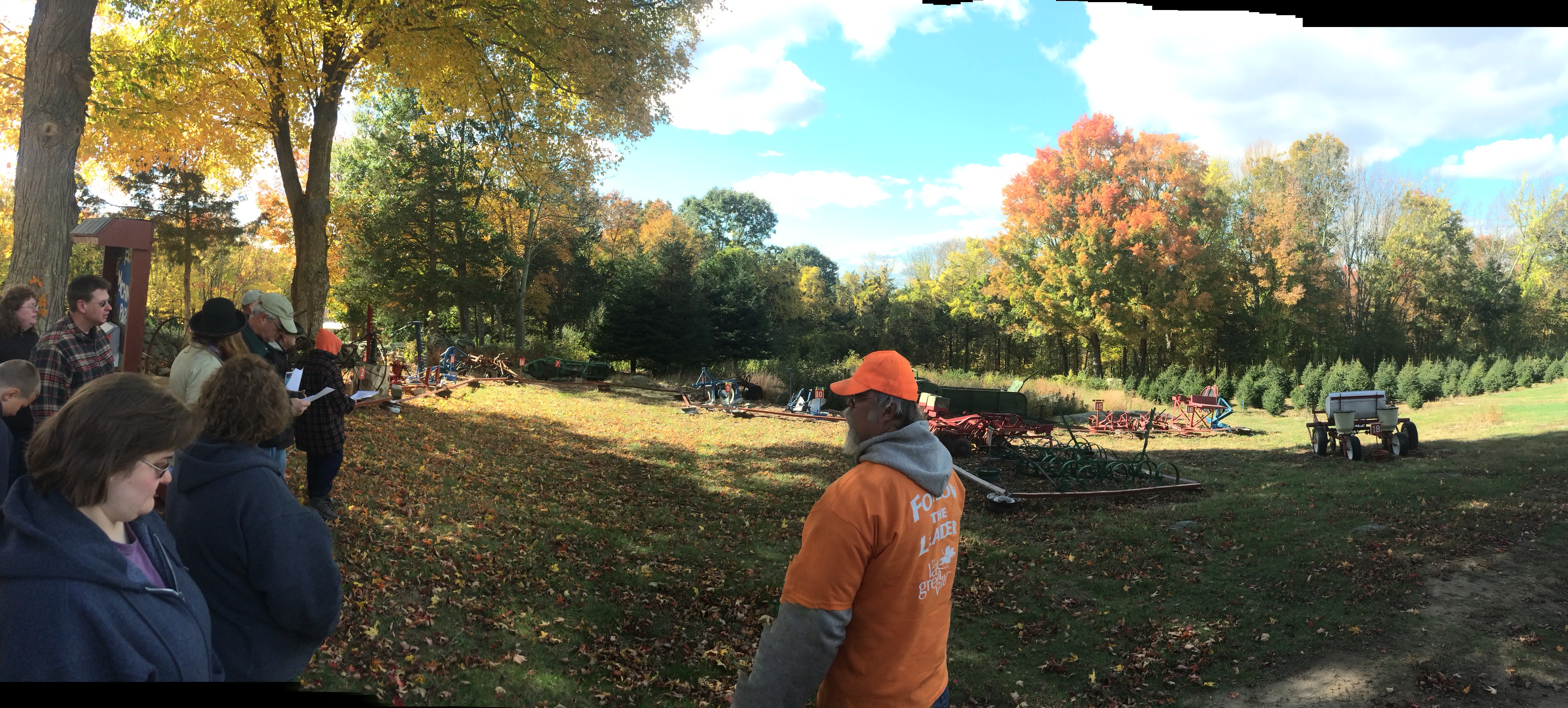
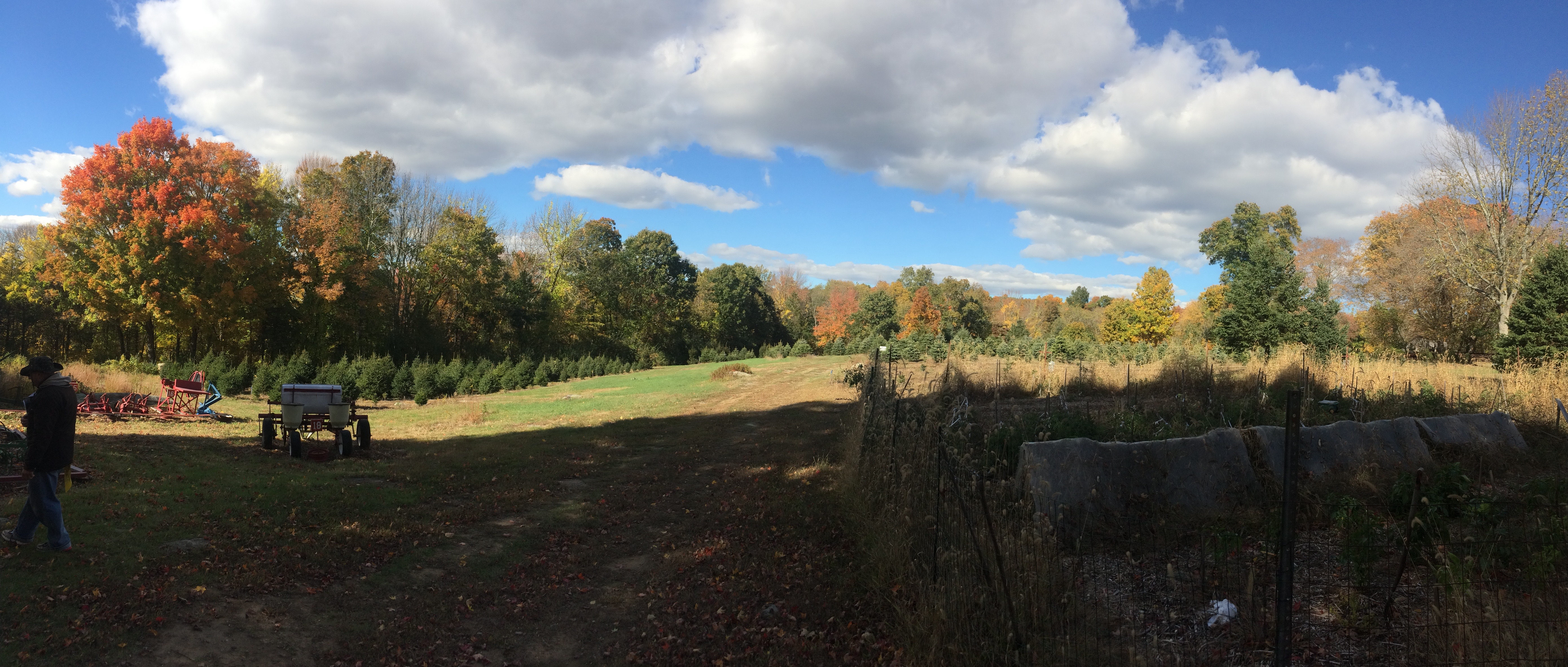
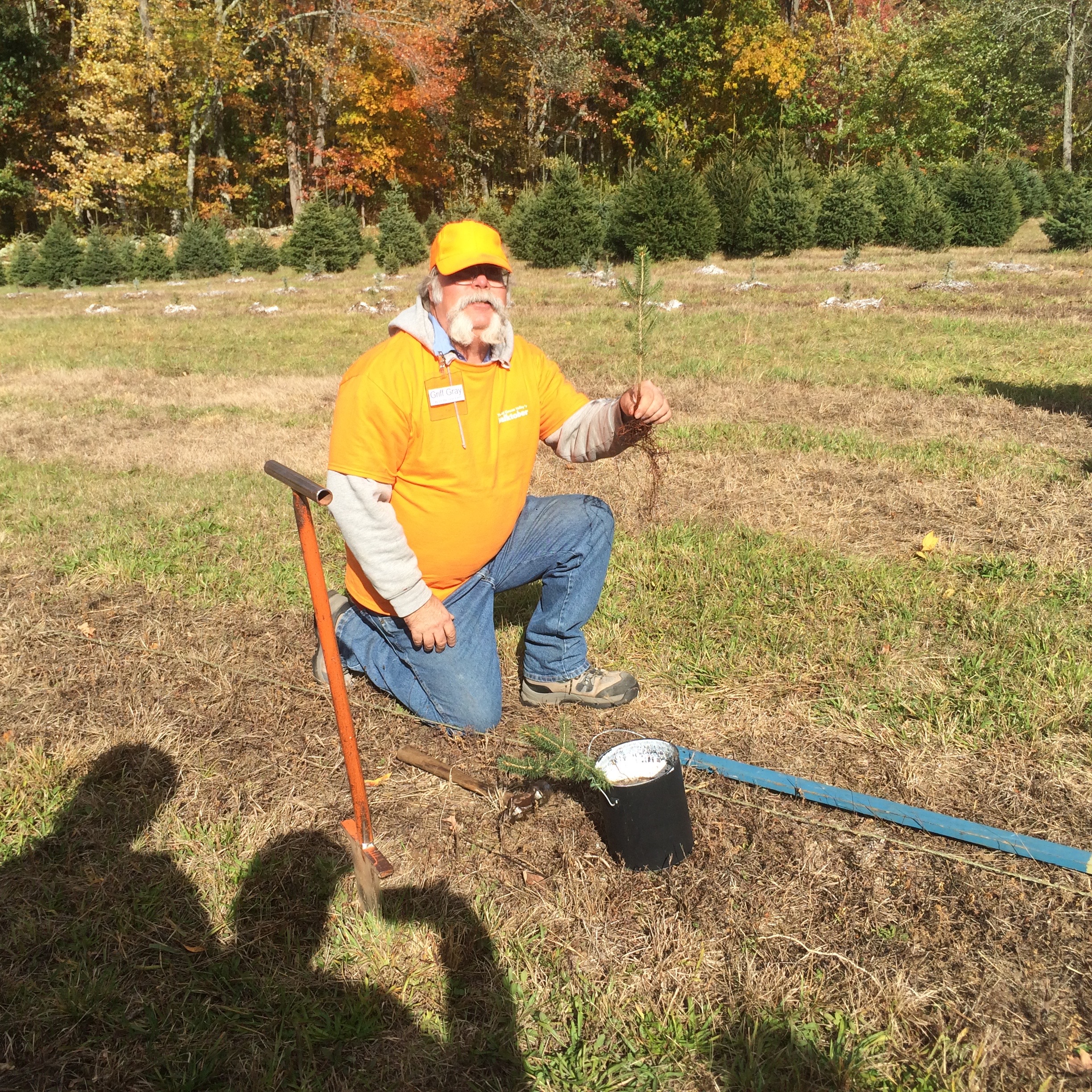
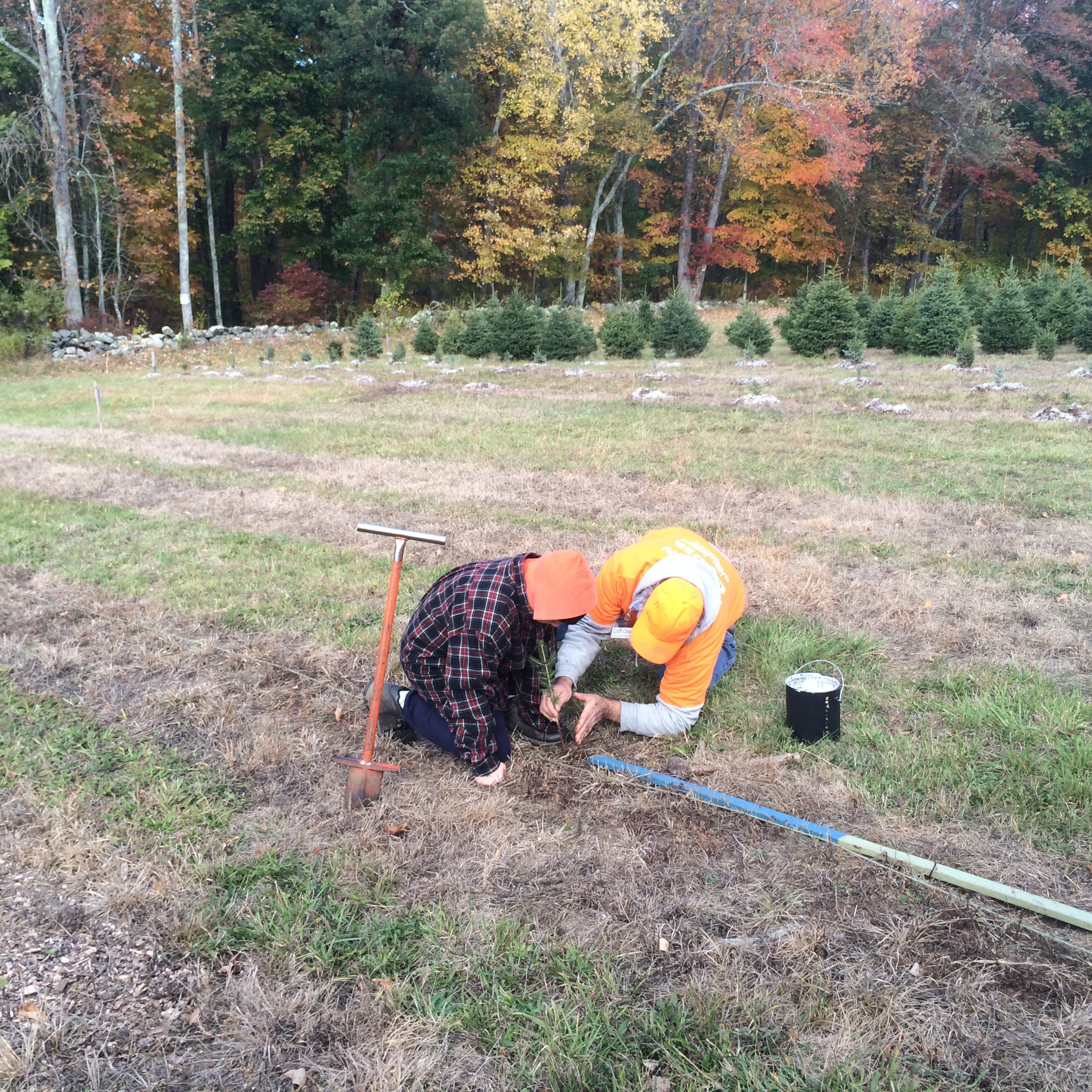
Second walk of the day was Grey Ledge Farm in Plainfield. The Grey family has owned it since 1947. Originally cleared by a Gallup in 1750.
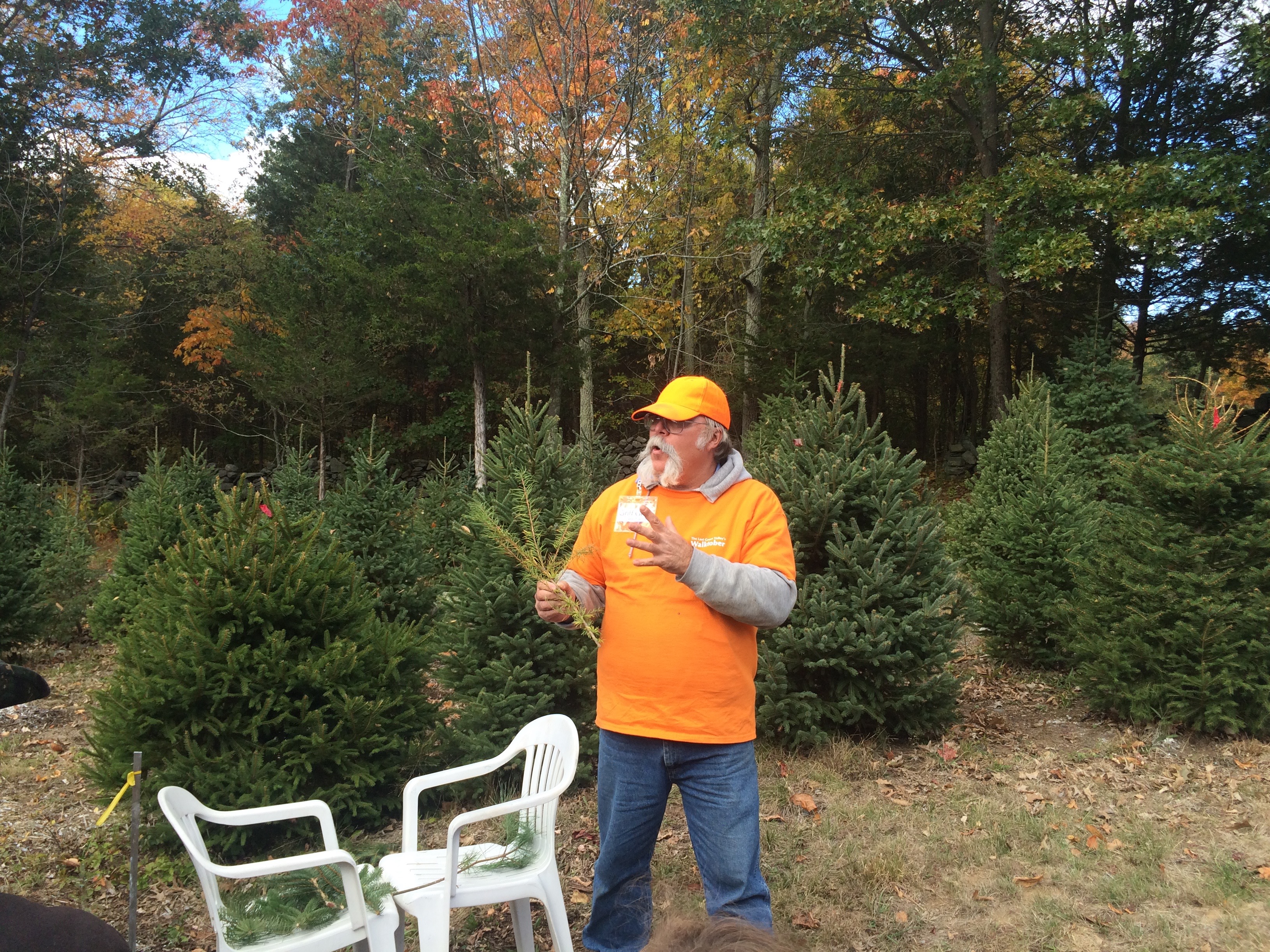
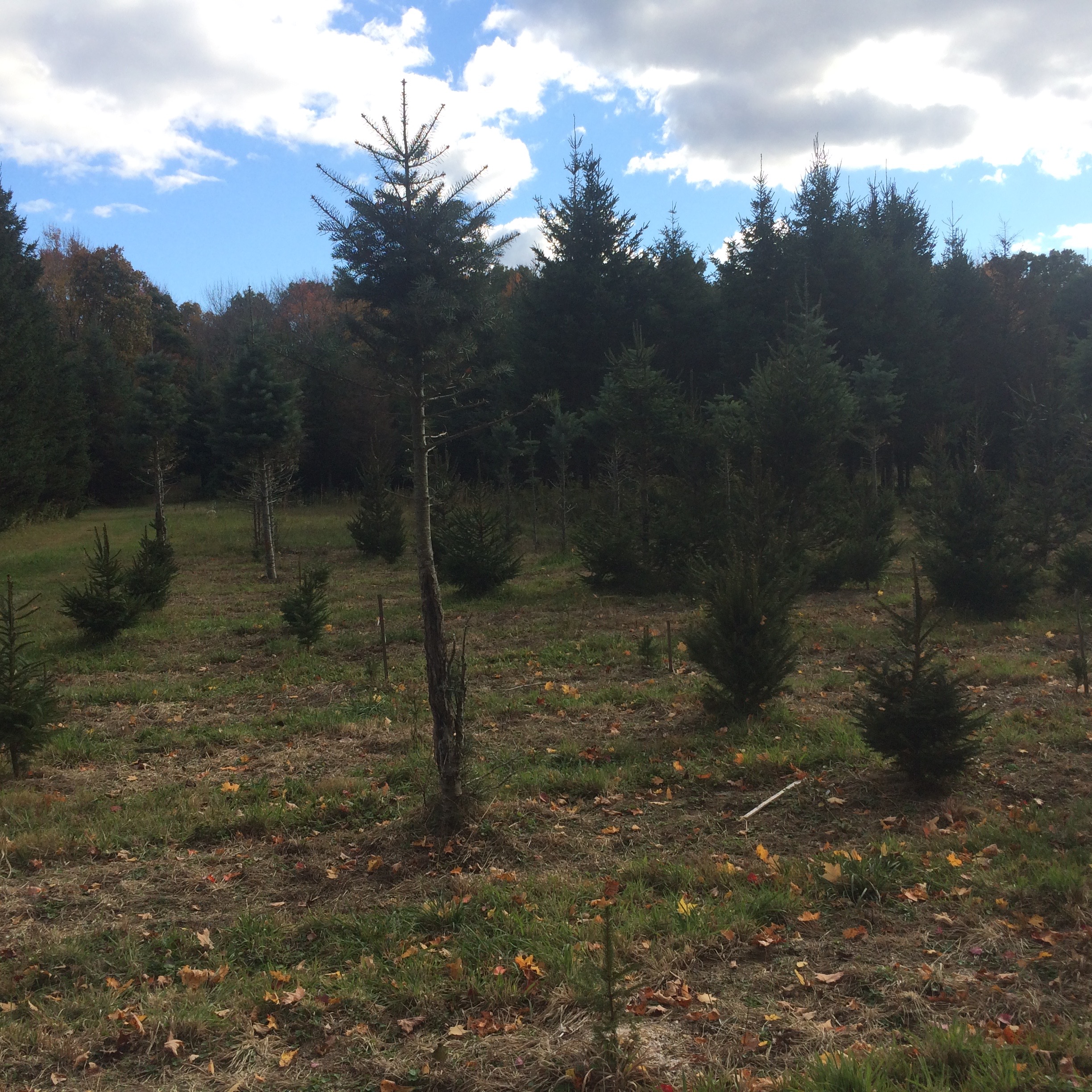
Deer damage -- first by eating, then by antler rubs! The closer trees are spruce which the deer like, but in the background are firs that they love.
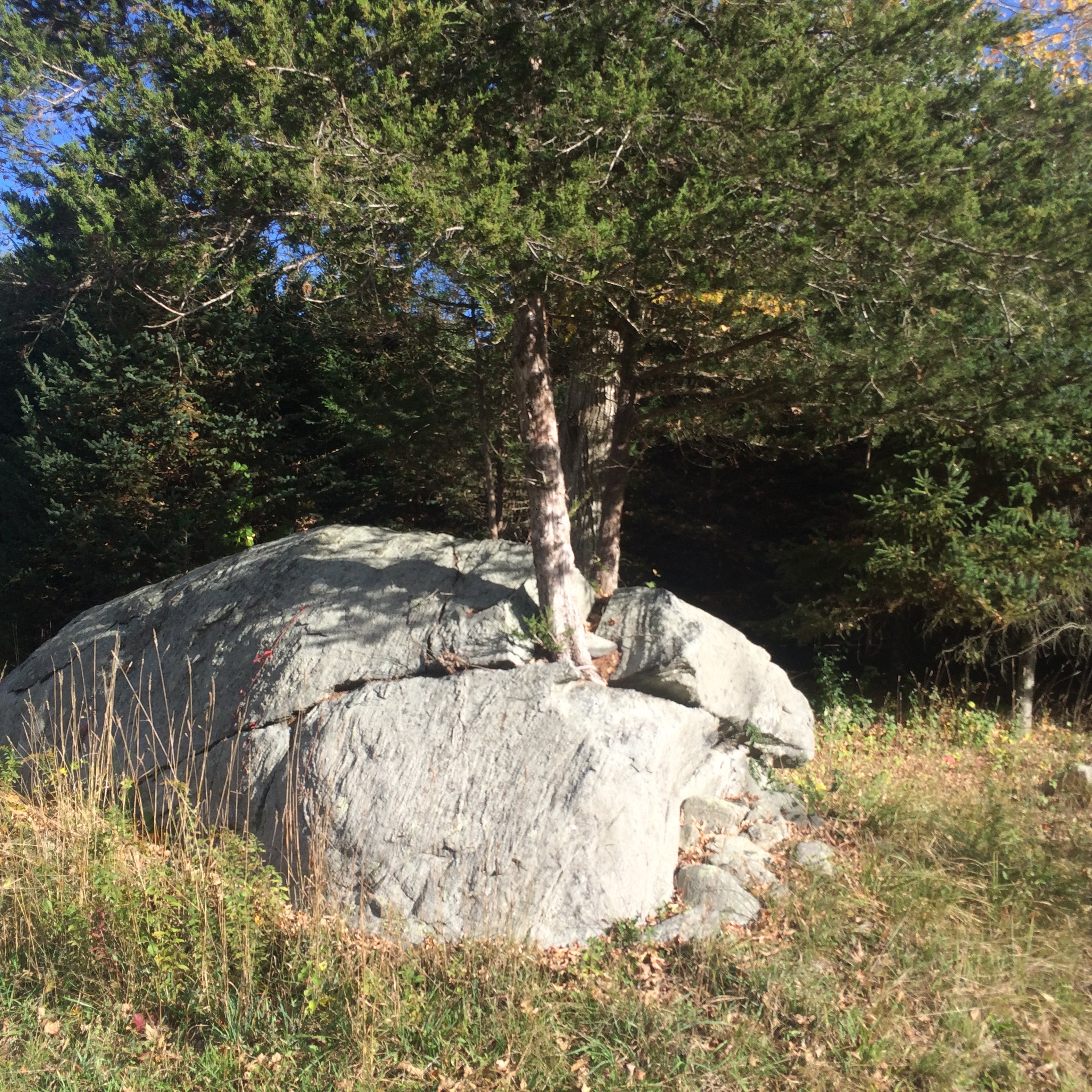
The original homestead was built well off the public road, on top of the hill. It succumbed to damage from Hurricane Gloria.
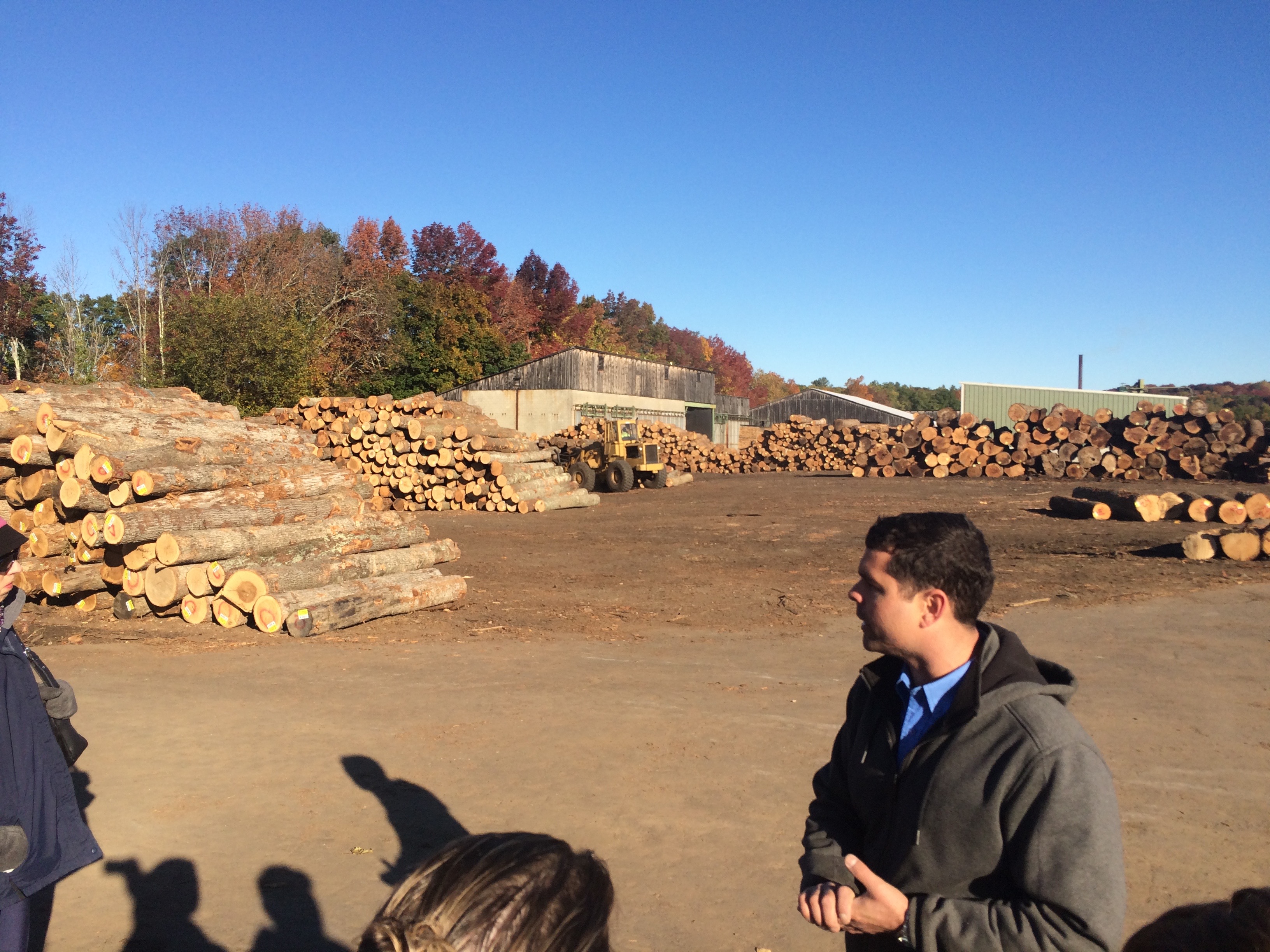
First walk of the day was Hull Forestry in Pomfret at 9am. They put on a nice show, with foresters and other employees leading groups of about ten at a time. Mill doesn't normally run on Saturday...wonder if they were paying time-and-a-half or had given the guys off Columbus Day in trade. Hull employs about 75 at the mill, with another 60 contractors year round working the woods and trucking. They also have another mill in Quebec just across the Vermont line.
If I remember the figures about right, the log deck holds 60,000 board-feet and they process 20,000 board feet per day.
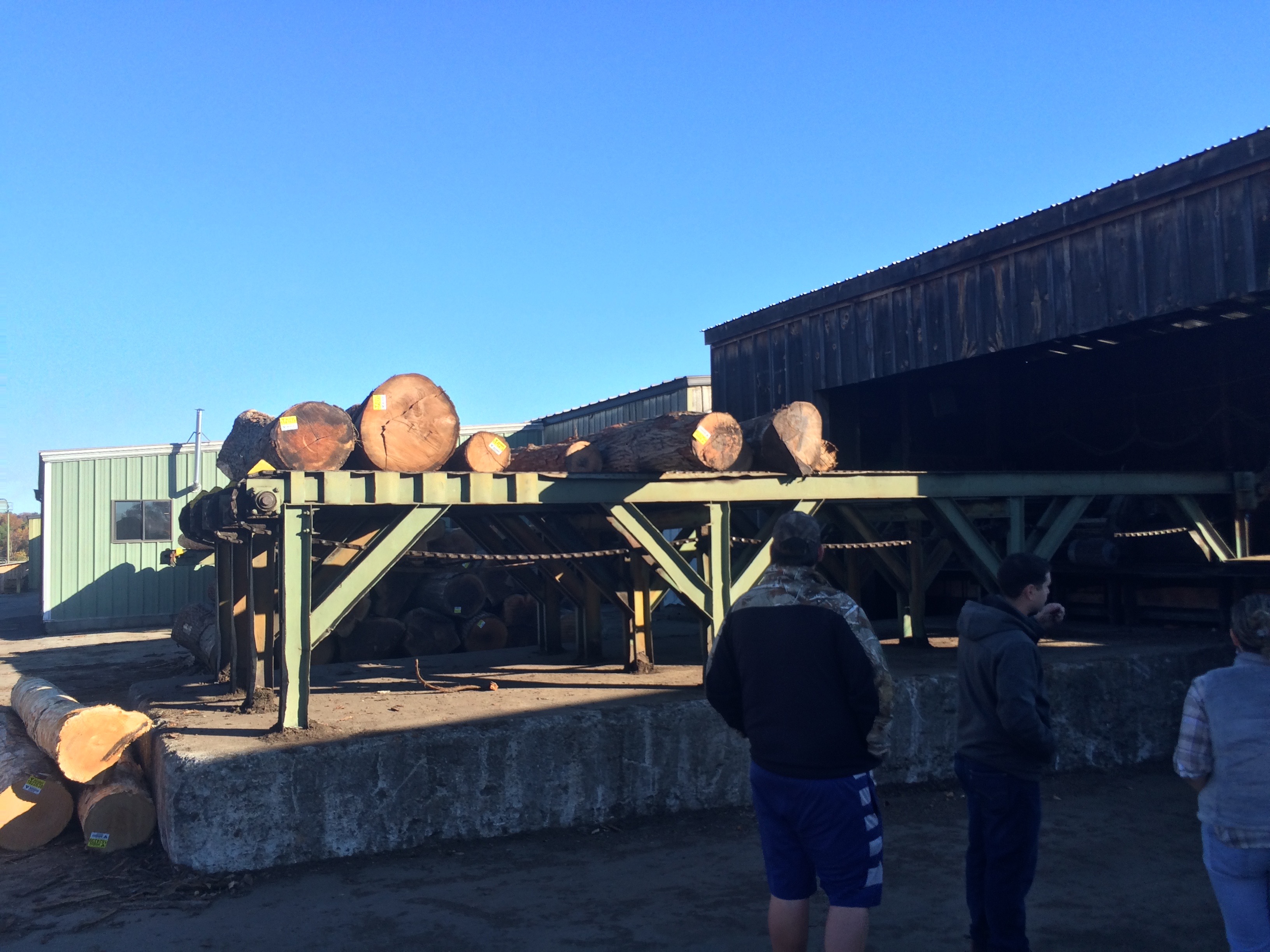
Queued for debarking.
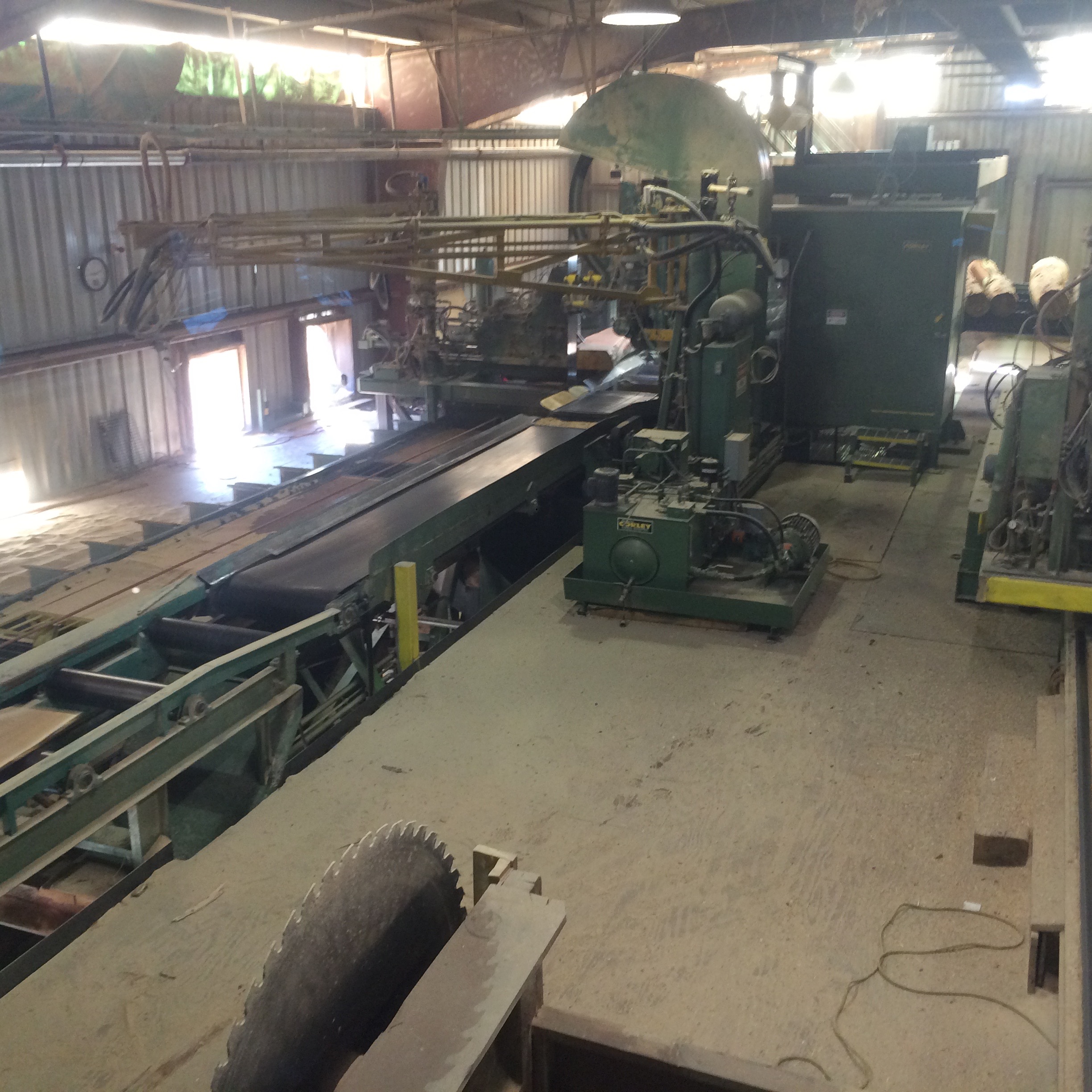
The logs are barcoded when graded in the yard, and the 'puters in the mill route the higher grades to the band saw and the lower grades to the circular saw. The bar code labels are plastic, with plastic staples, and get chewed up by the saws as they work through the mill:
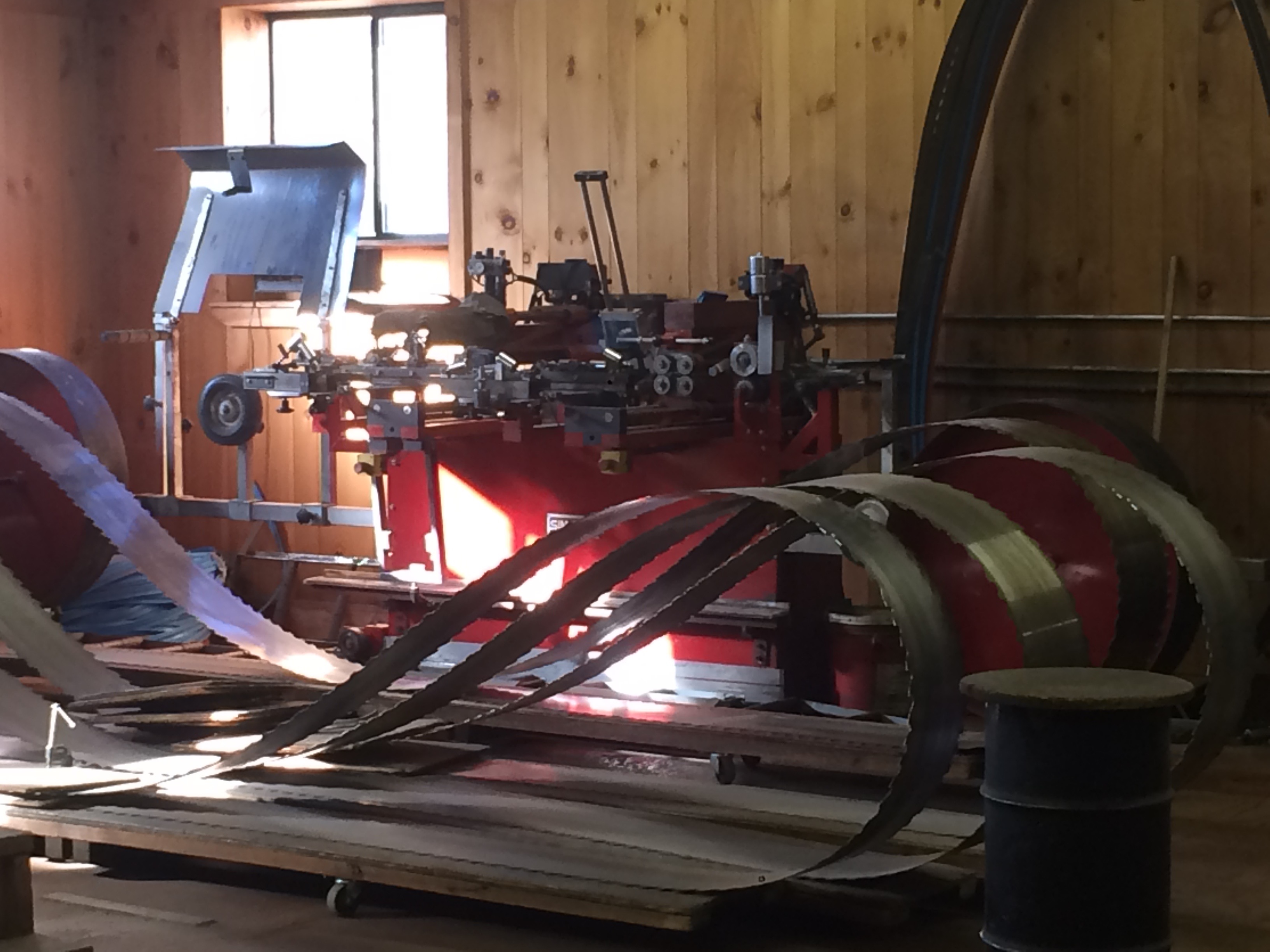
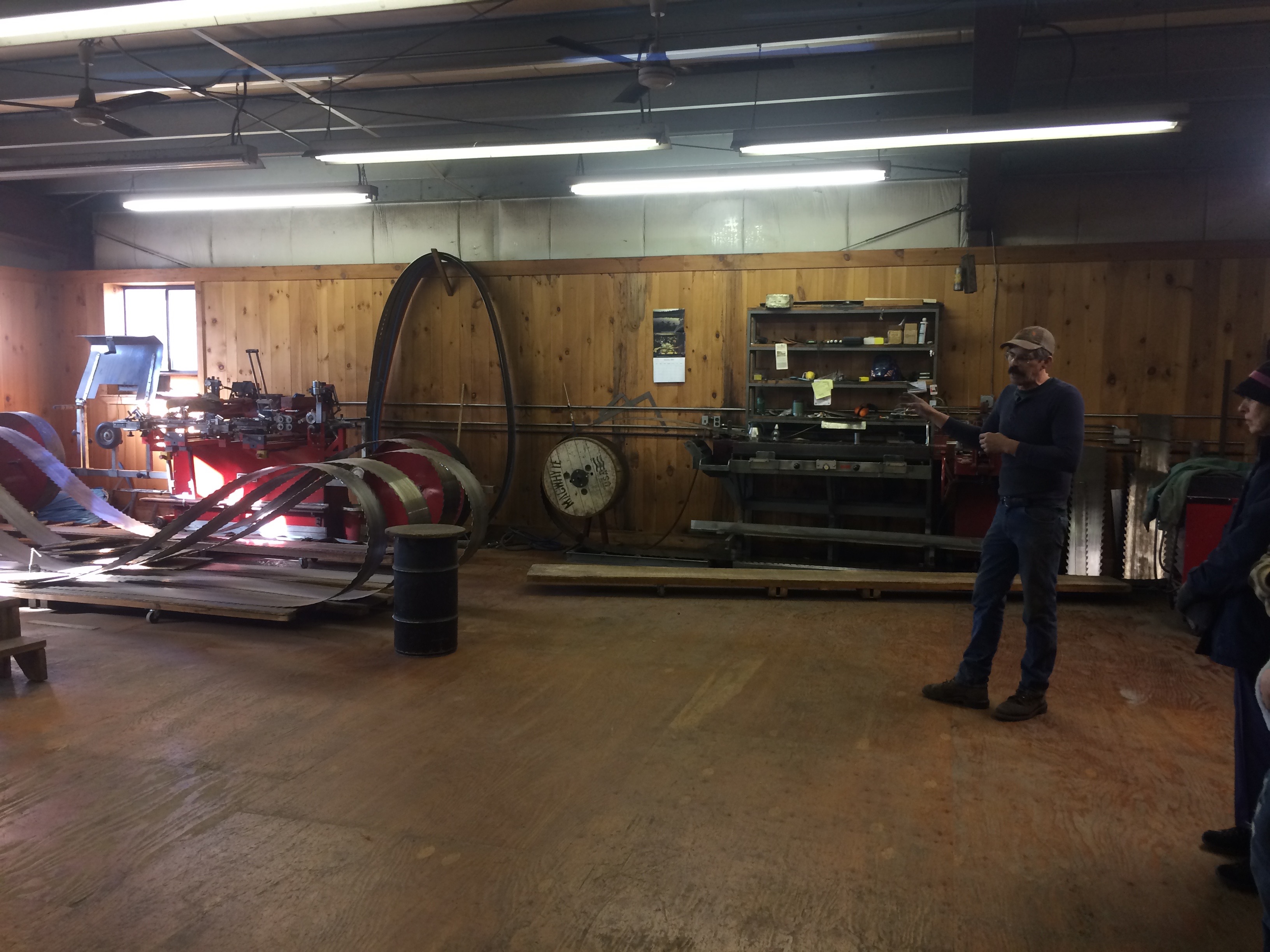
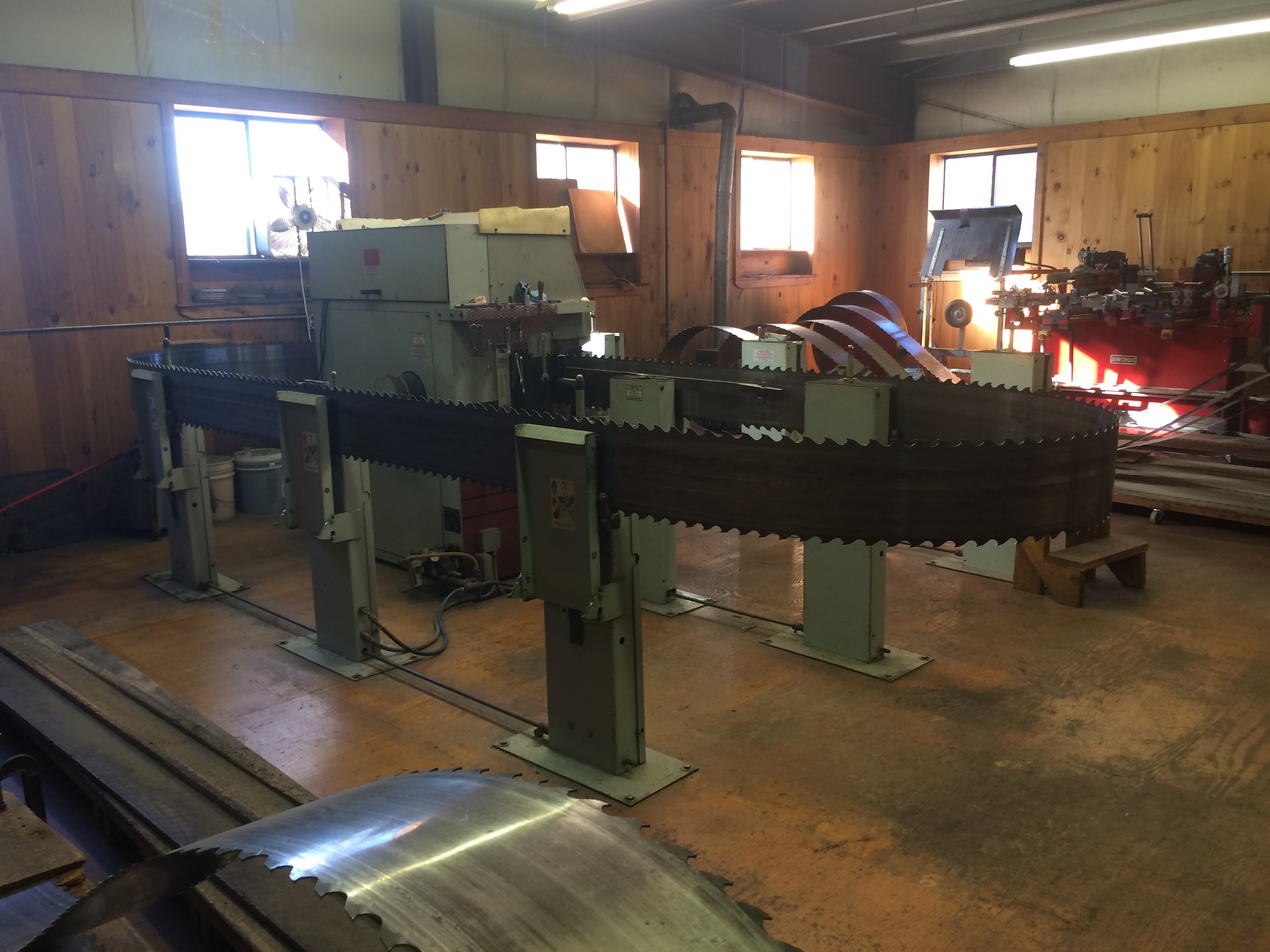
Saw sharpening room...kind of puts my files to shame!
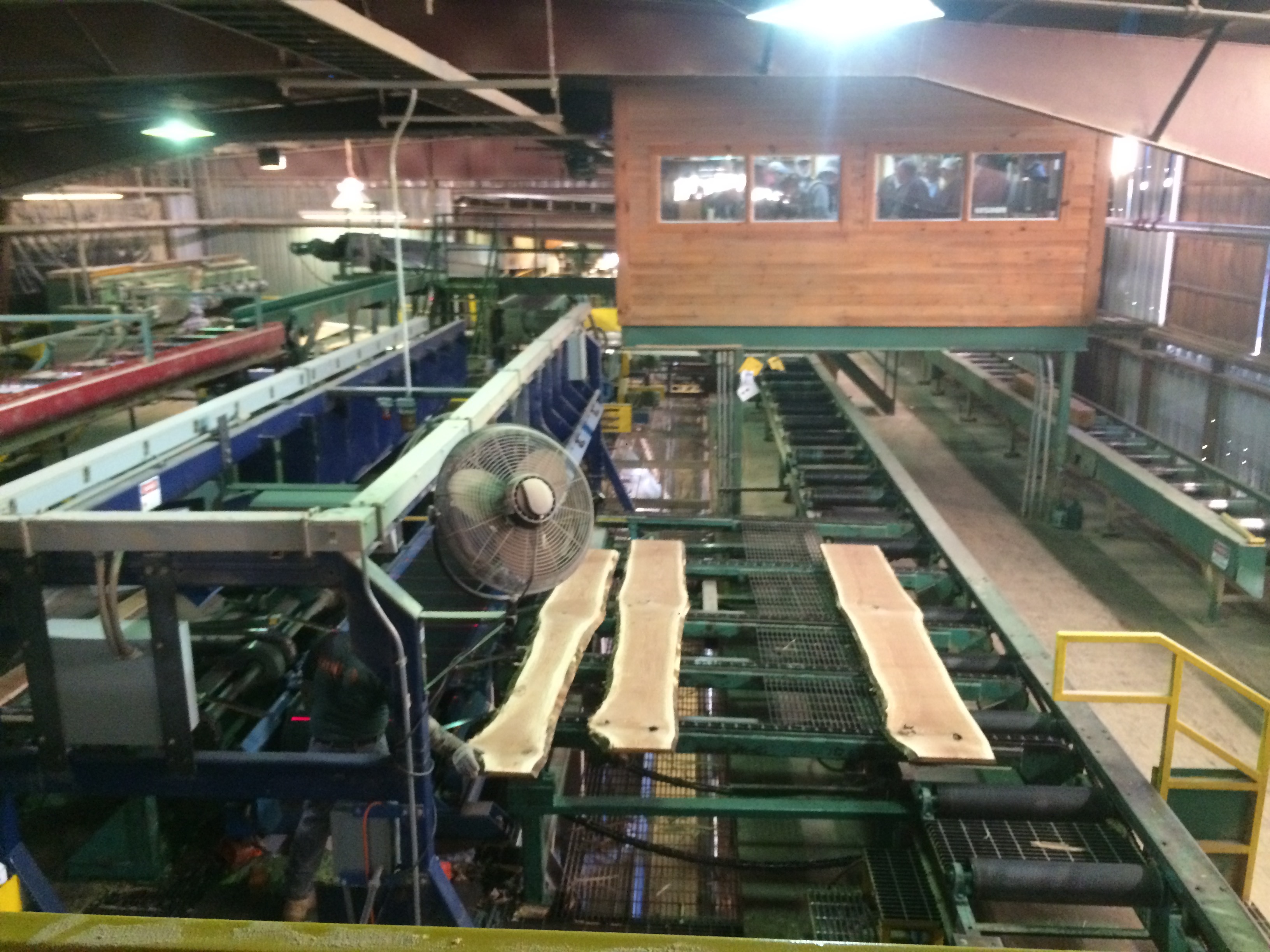
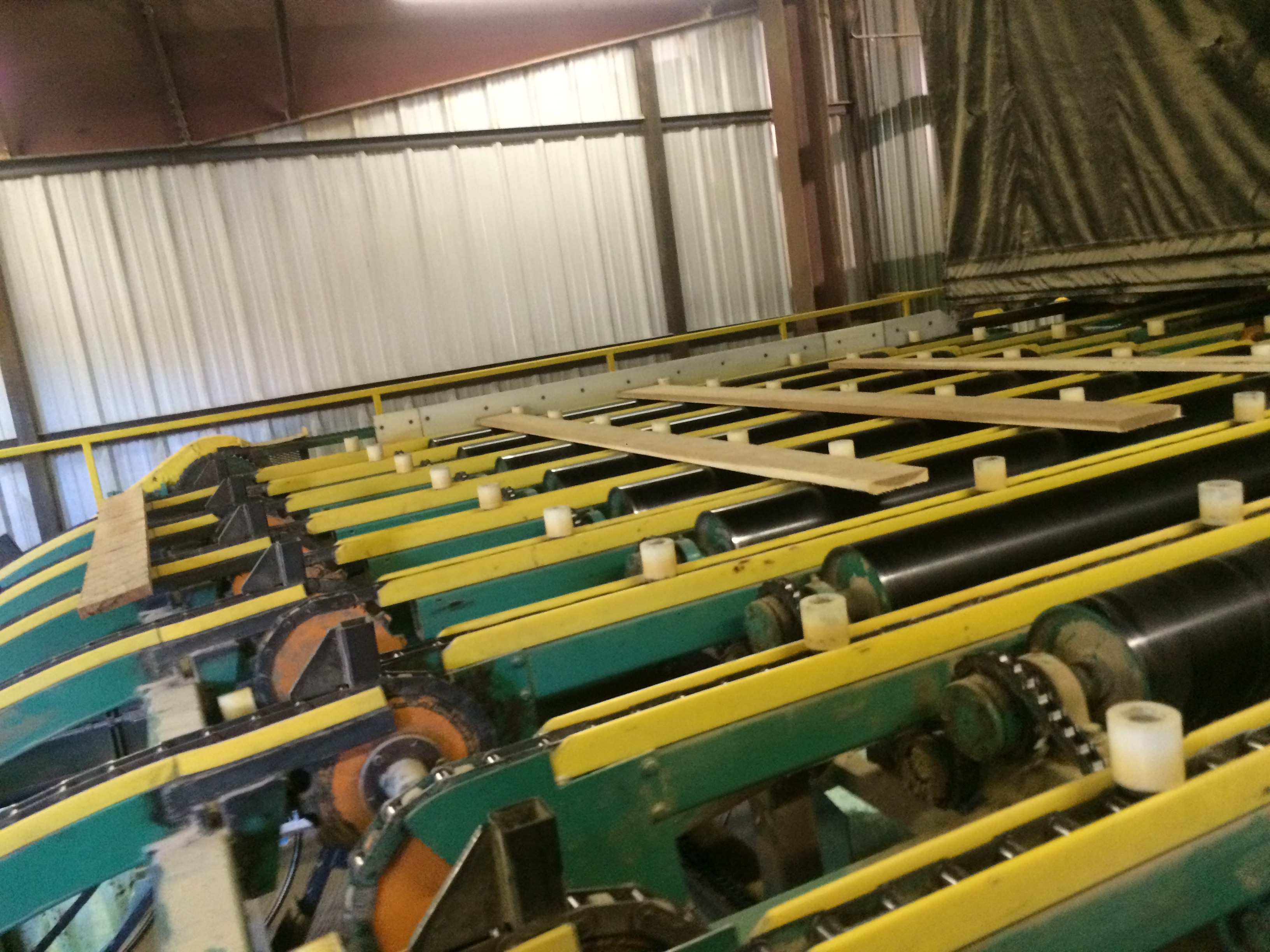
This guy's job is to make sure the boards are lined up "curved" side up -- the lasers scan the boards to determine the optimum cutting pattern to maximize production and adjust the saws appropriately. This section of the mill is set up to keep lumber continuously circulating -- after passing through a saw if further cuts are needed it is sent back around automatically, rather than finishing cutting a board at one time which would be considerably slower as you pulled the board back and set up another cut.
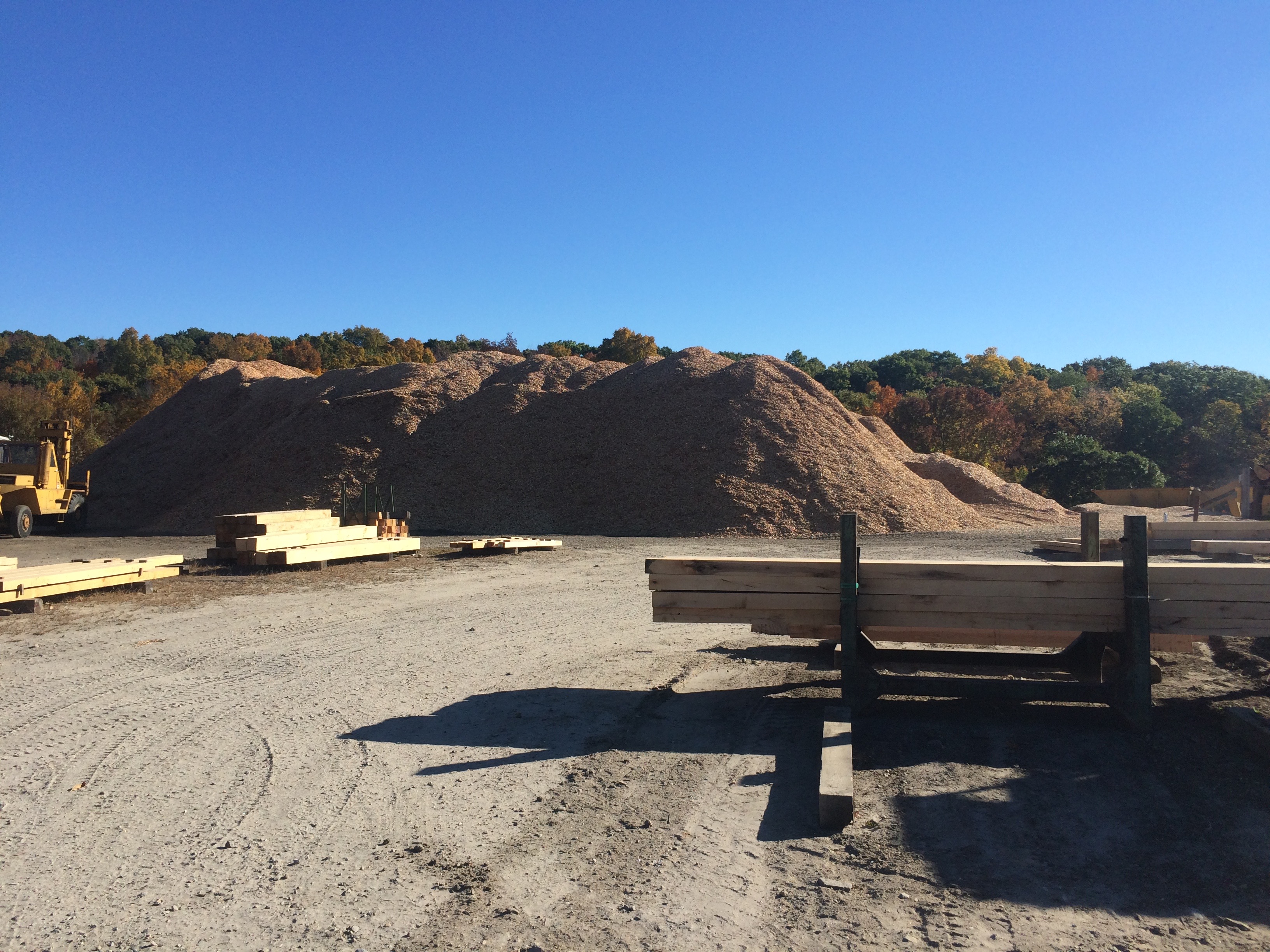
In the background is the grinder for the clean wood scraps coming out of the mill.
This stuff is primarily sold to institutions in Vermont and Northern Massachusetts for heating.
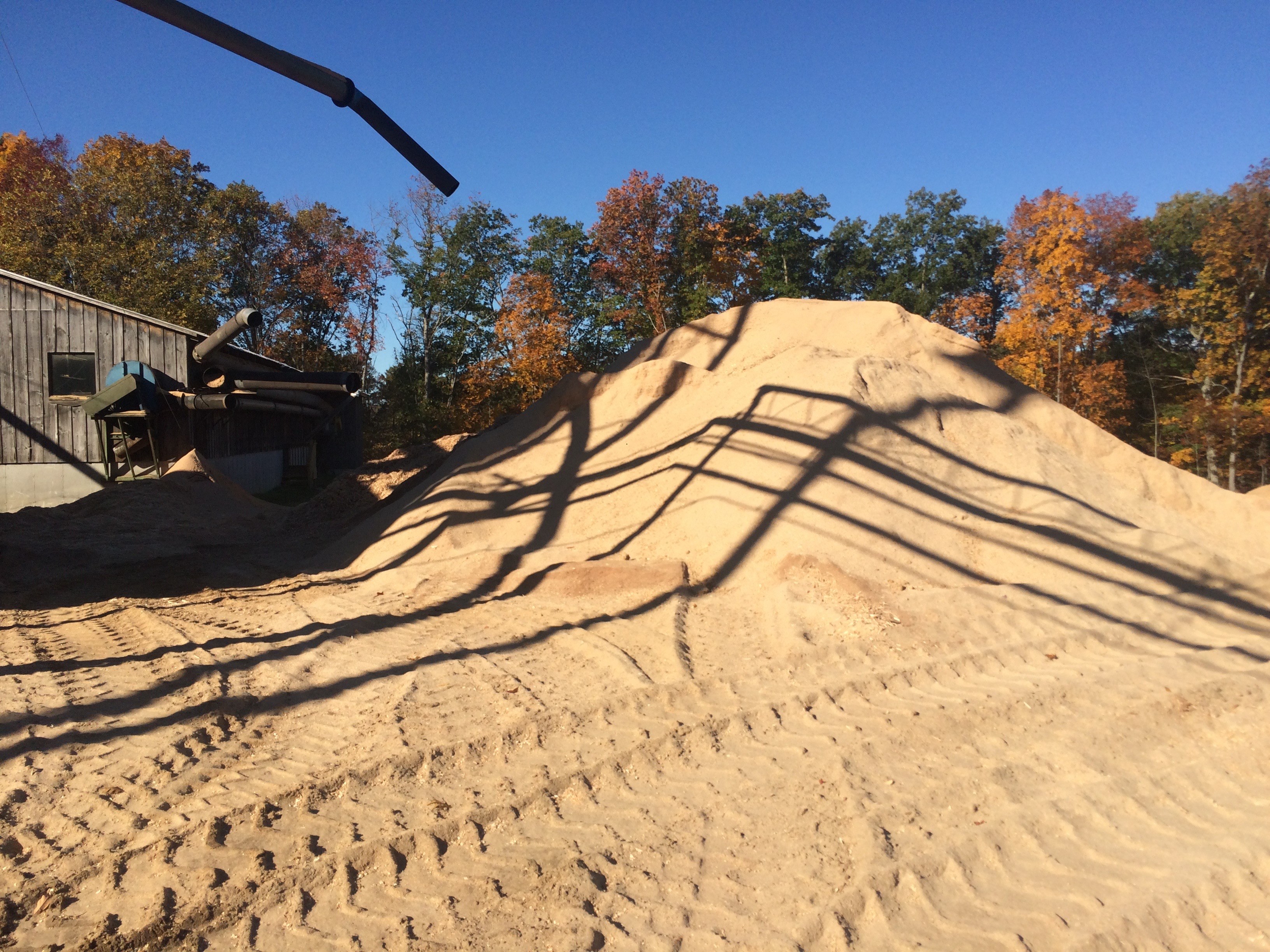
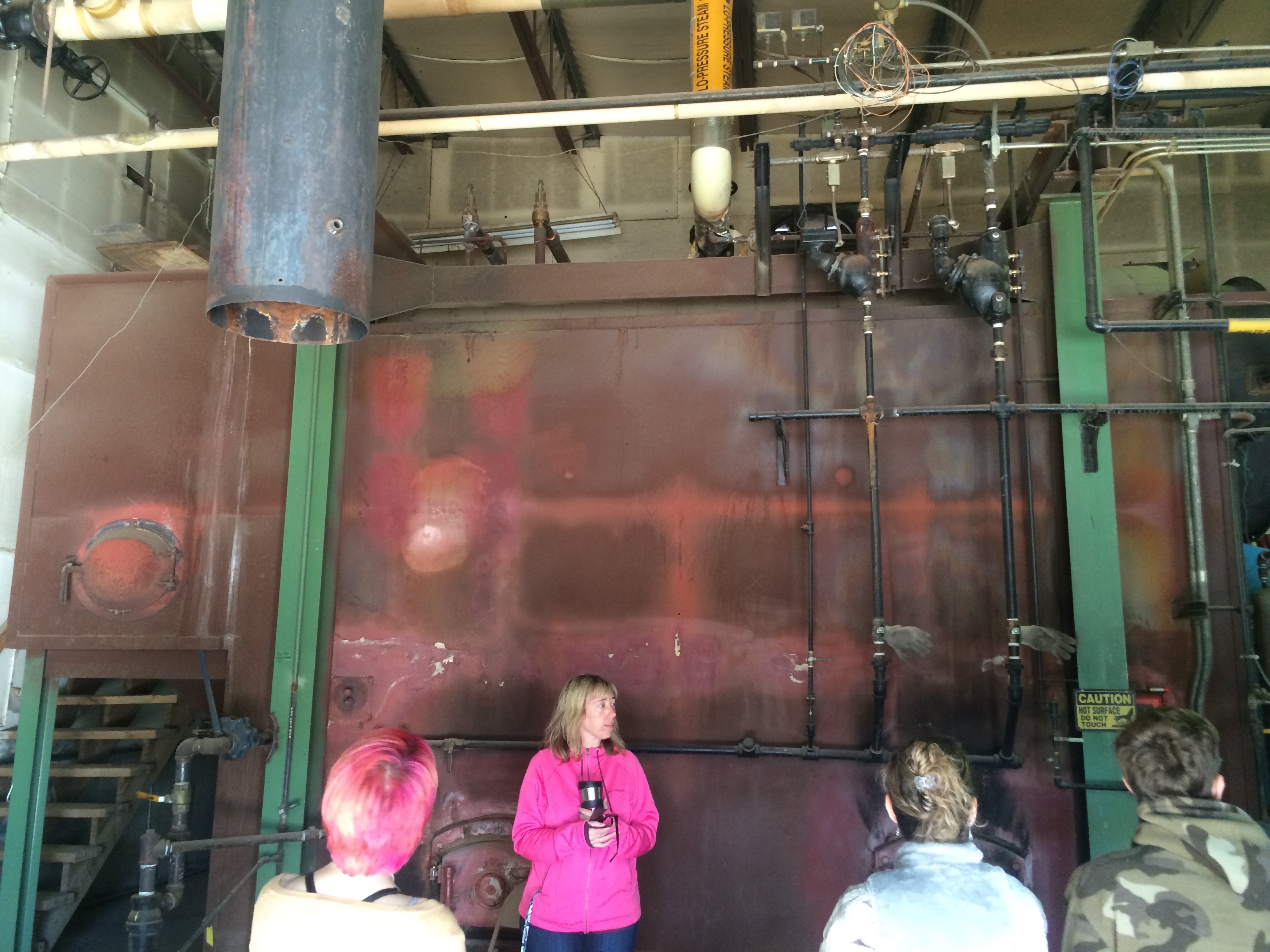
Their own facility the heat (particularly the kilns) with sawdust:
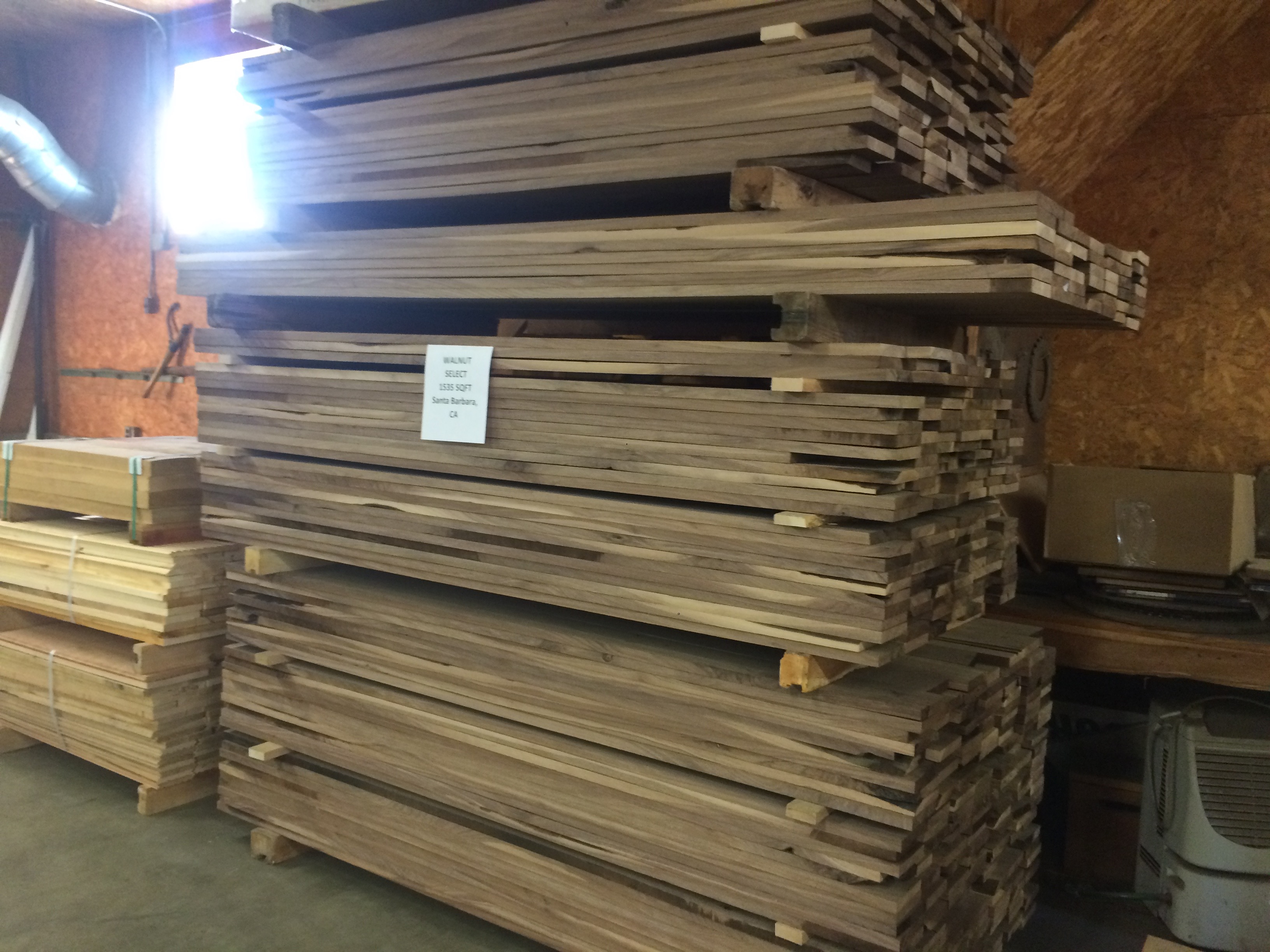
Walnut waiting to be processed before being shipped to a customer in California:
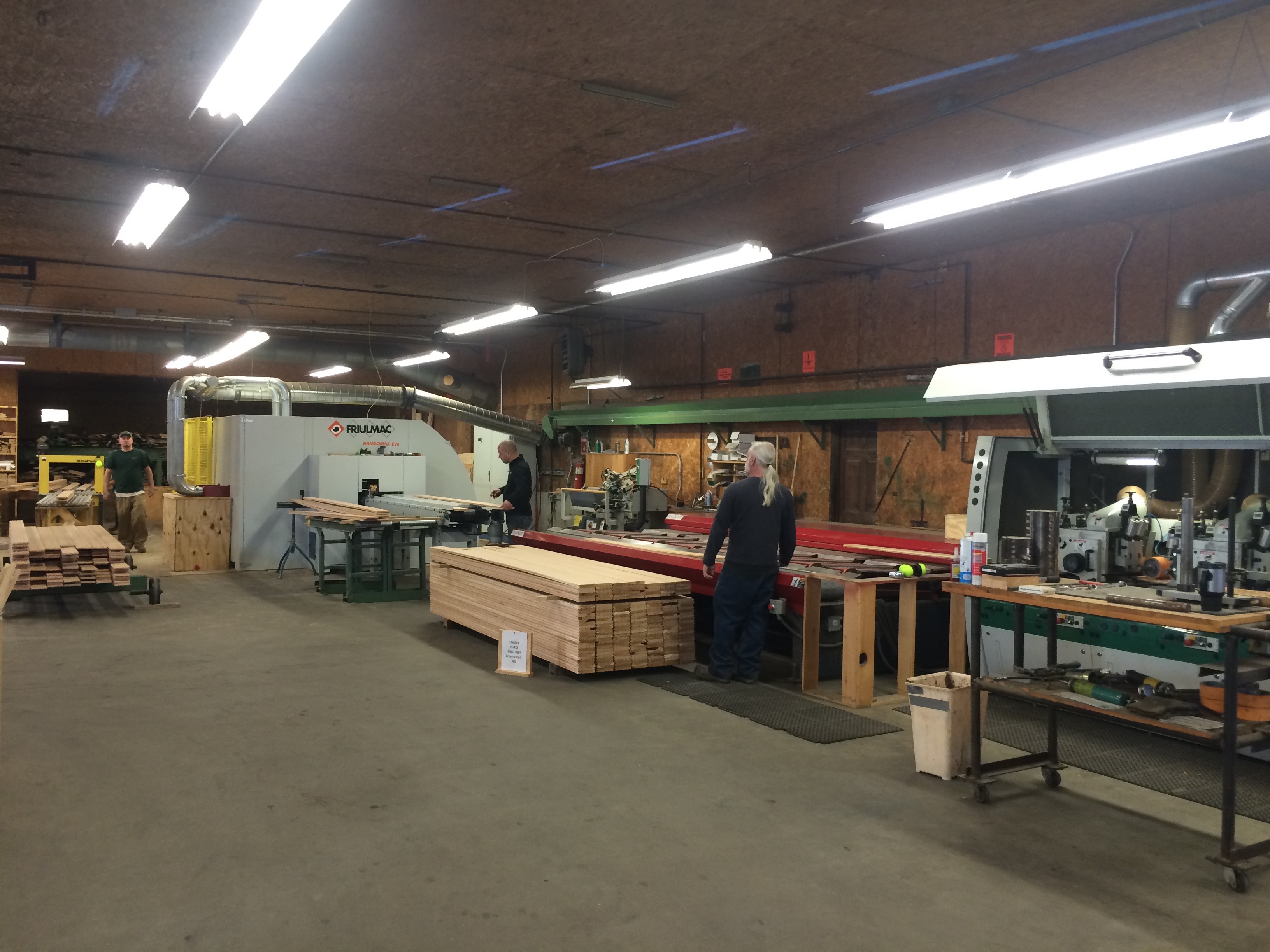
Makin' floorin':
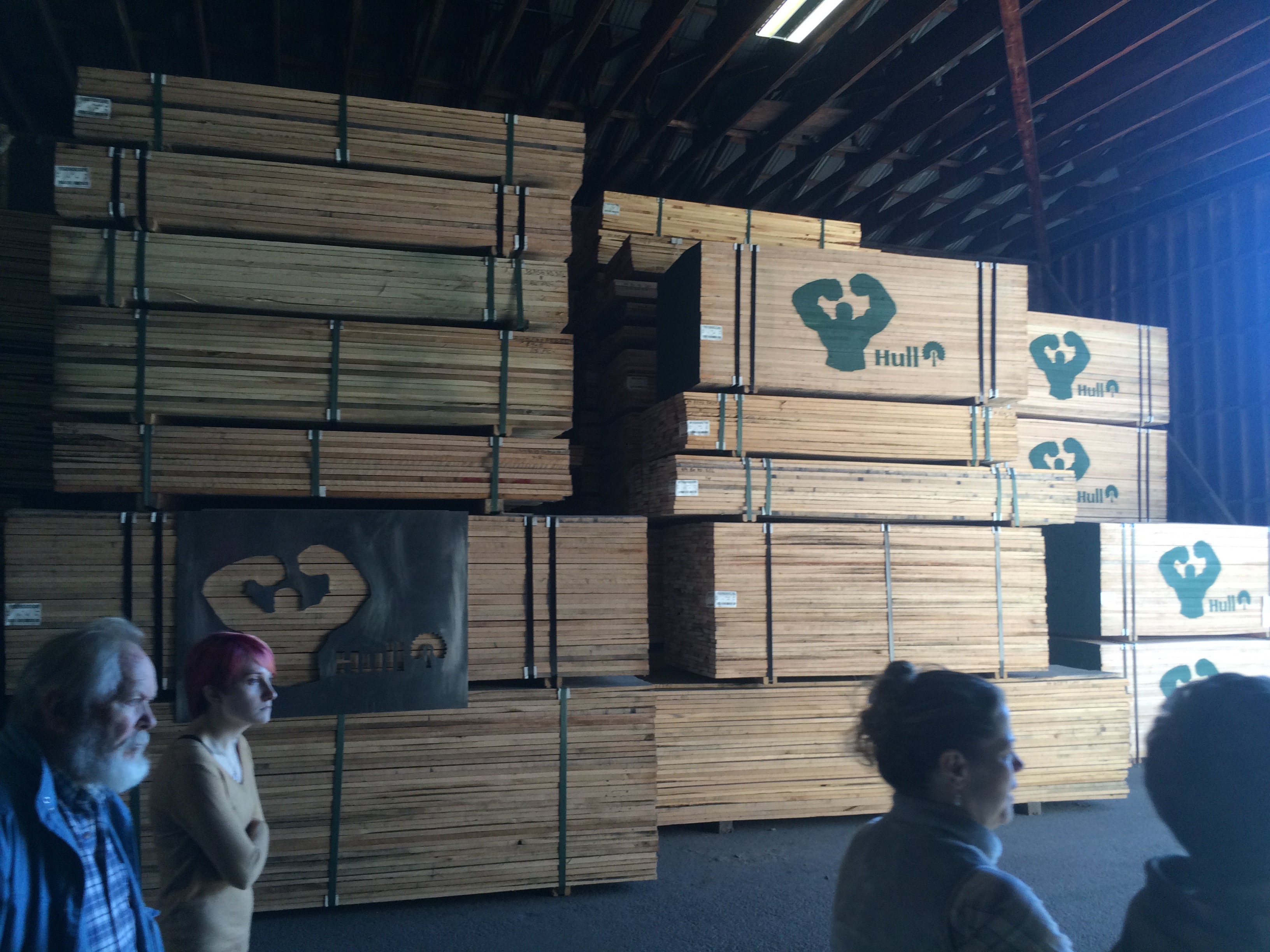
The double-banded bundles are destined for shipment overseas. They put a layer of polystyrene balls down on the bottom of shipping containers which allows them to easily push the bundles into the containers.
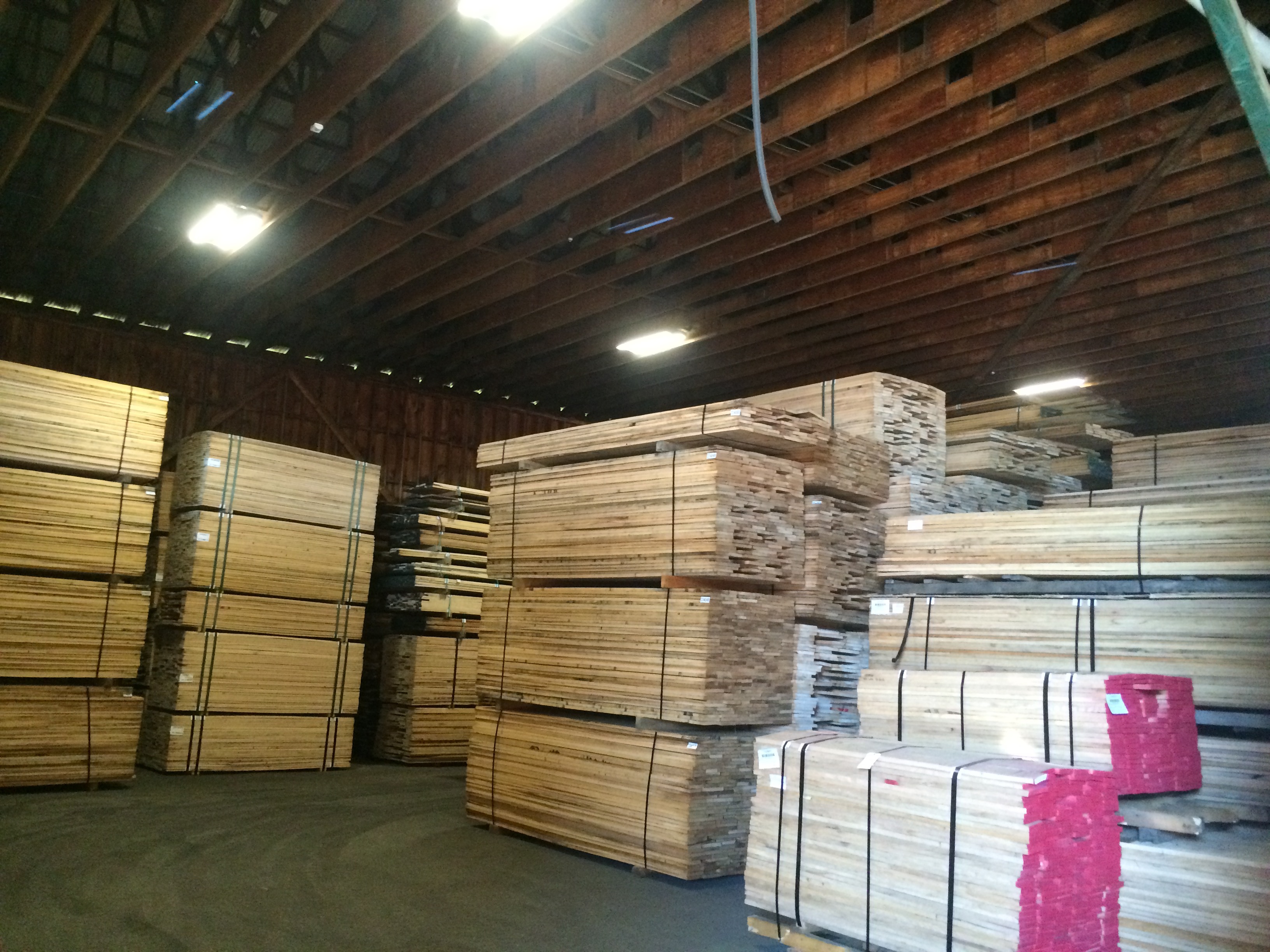
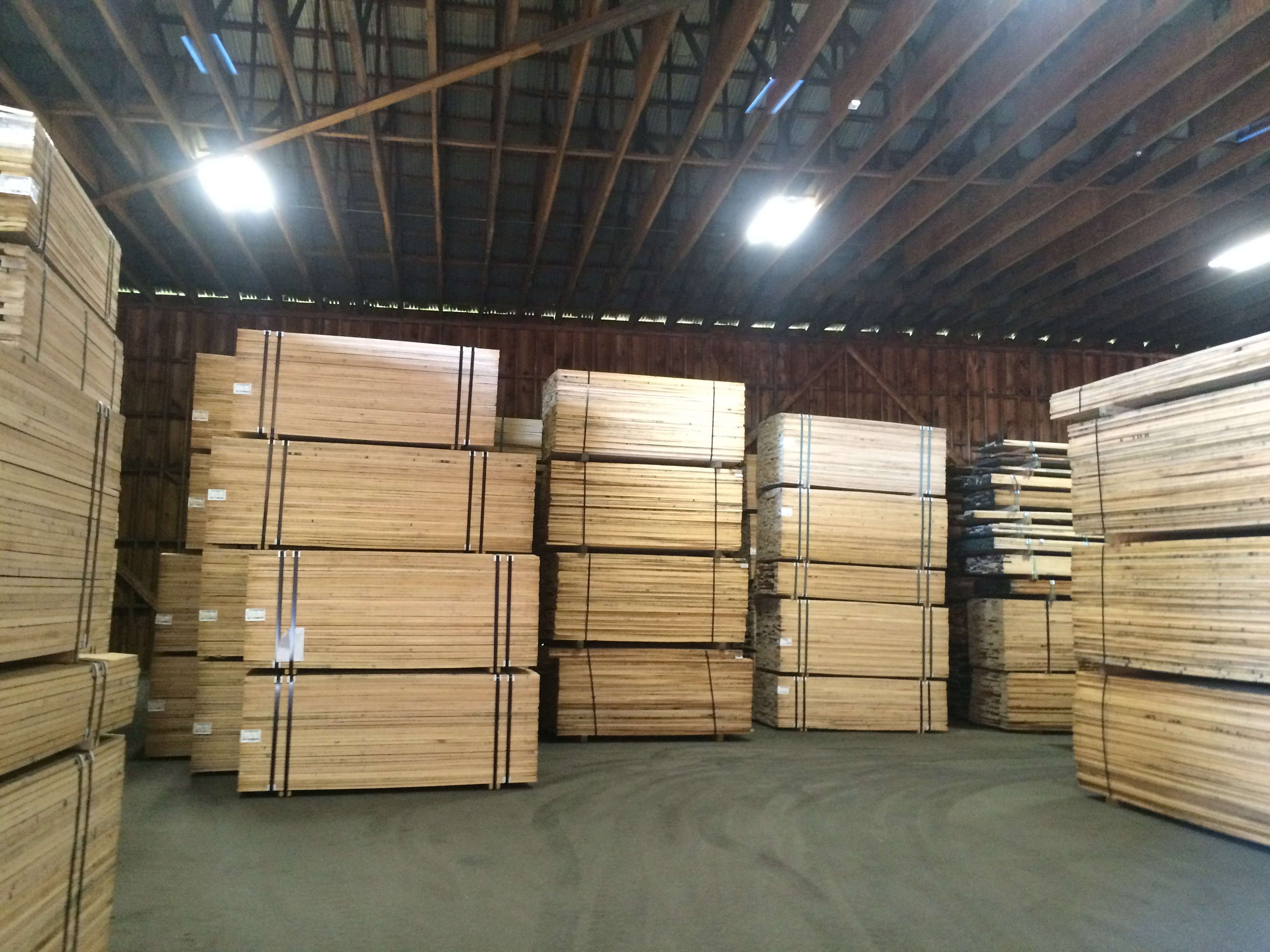
Kilns that hold 240,000 board feet -- so I'm calculating lumber stays in about 20 days on average.
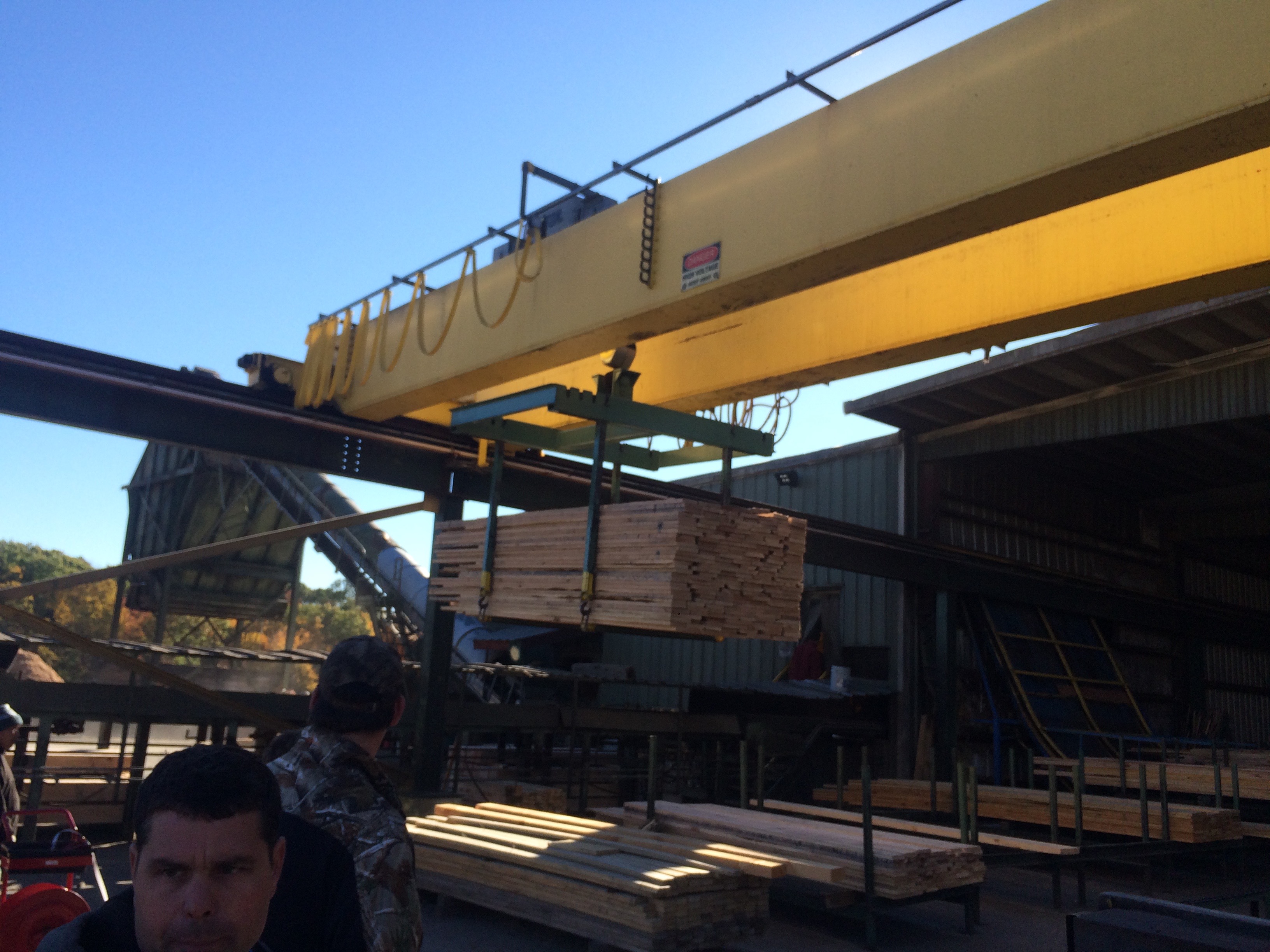
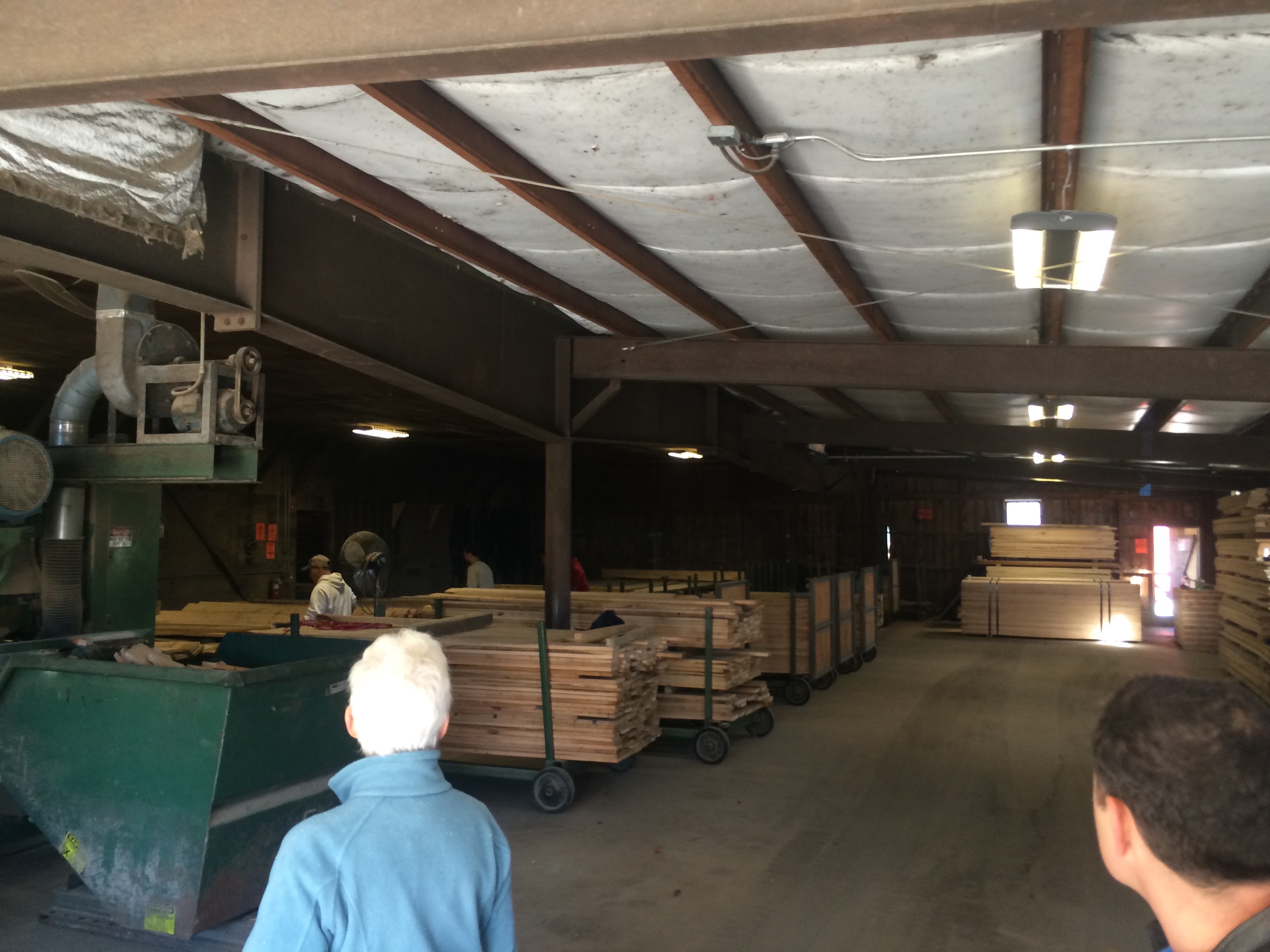
Lumber being inspected and re-graded after coming out of the kiln: