Tuesday, February 2, 2016


Saturday, January 30, 2016

Thursday, January 28, 2016
Monday, January 25, 2016
Saturday, January 23, 2016
January Food, Firewood, Painting, and other stuff photo dump.
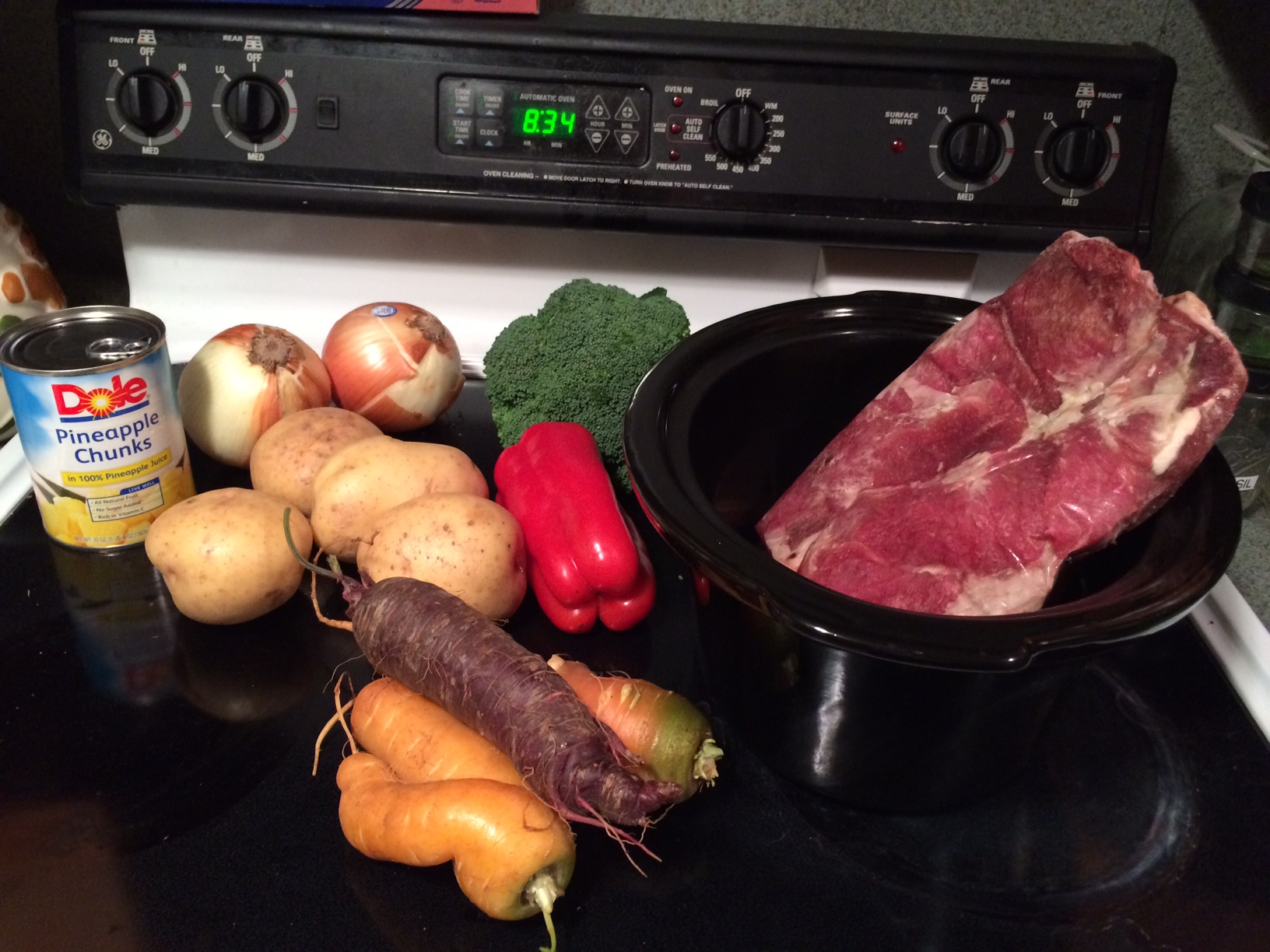
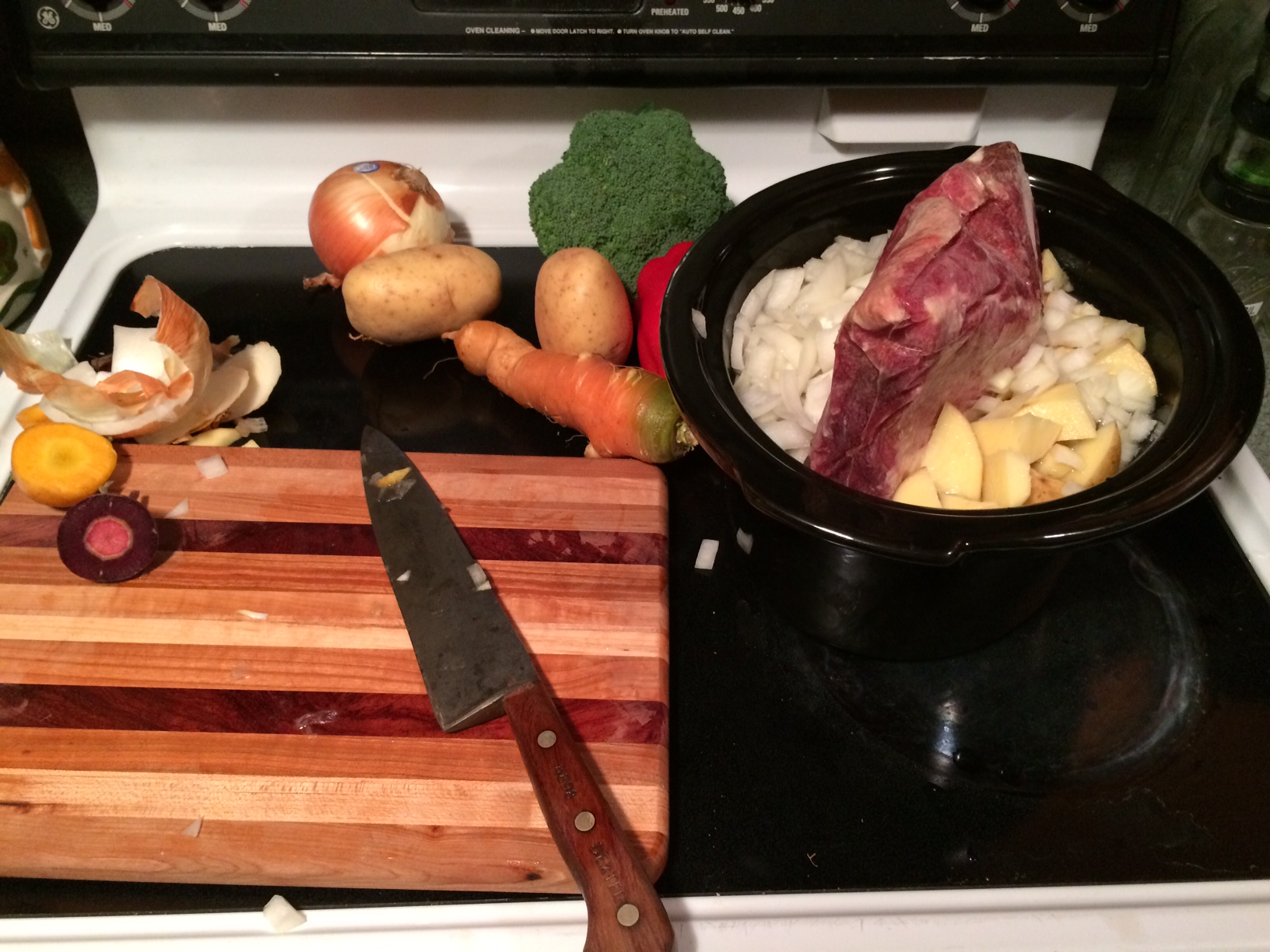
Started off with a Brisket that didn't quite fit :D


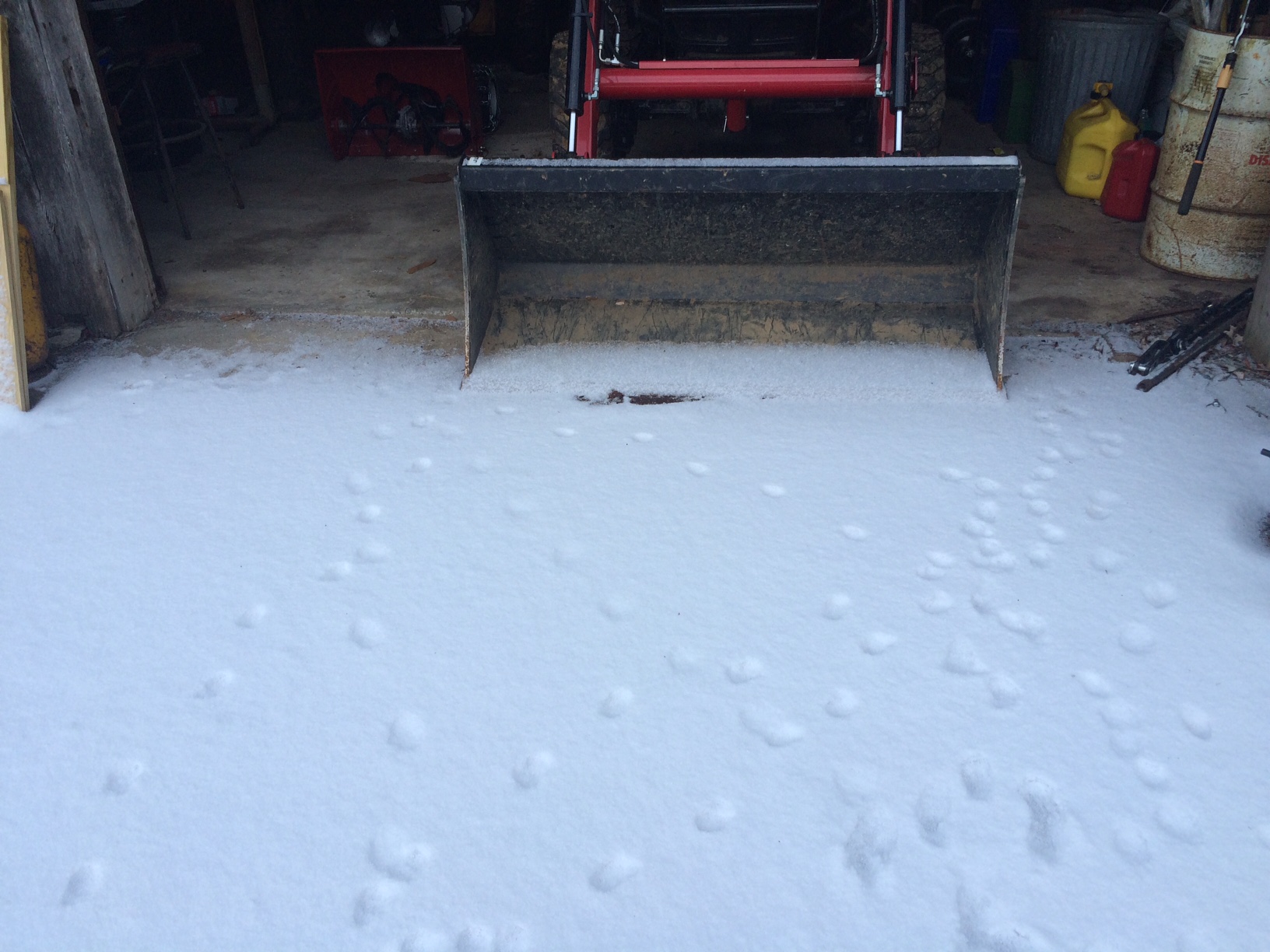
 The only snow we had until today, the amount of barn cat tracks when I was leaving for work amused me.
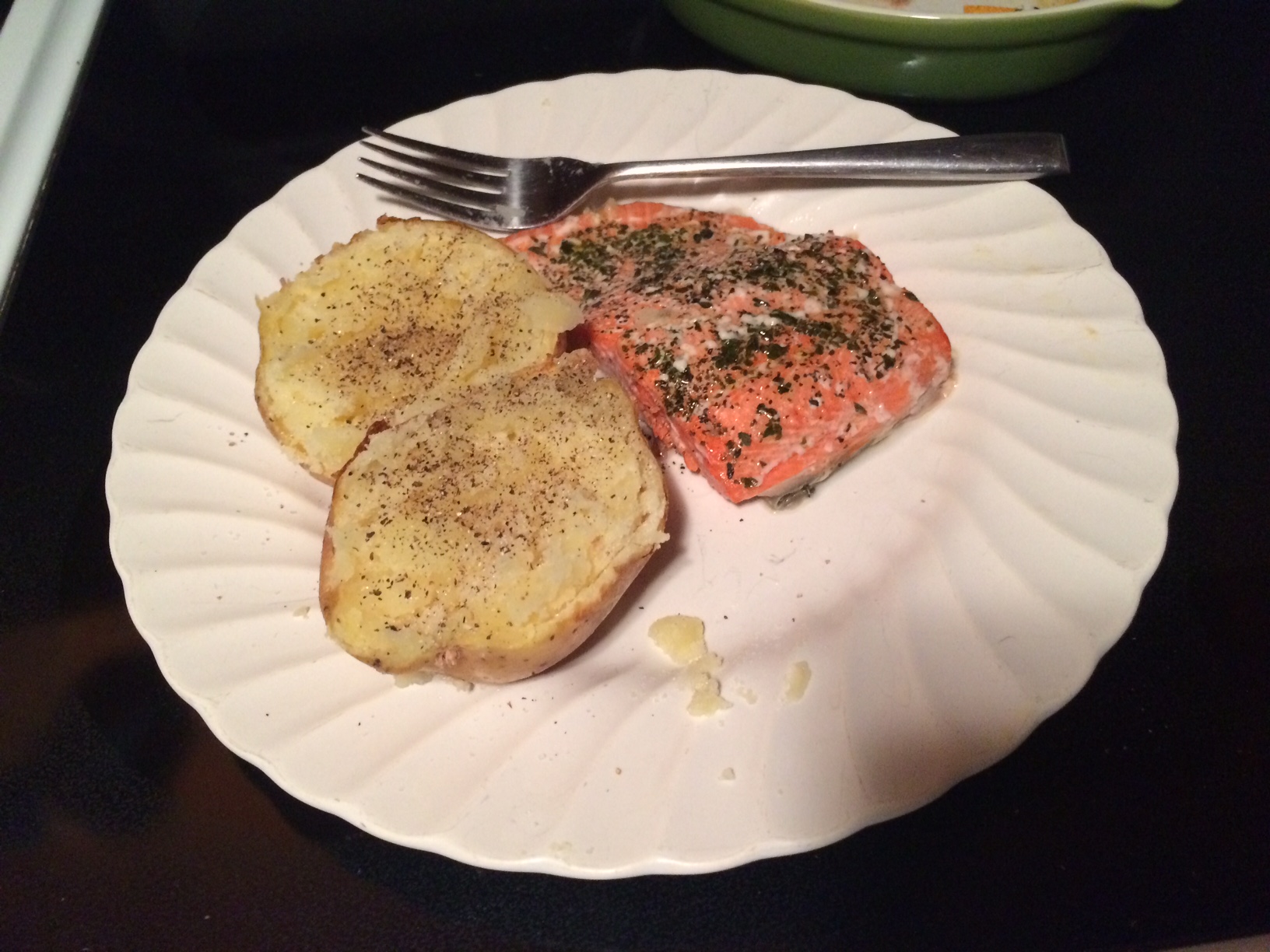
 Some baked Salmon? Yes please. Hadn't done one in a while.

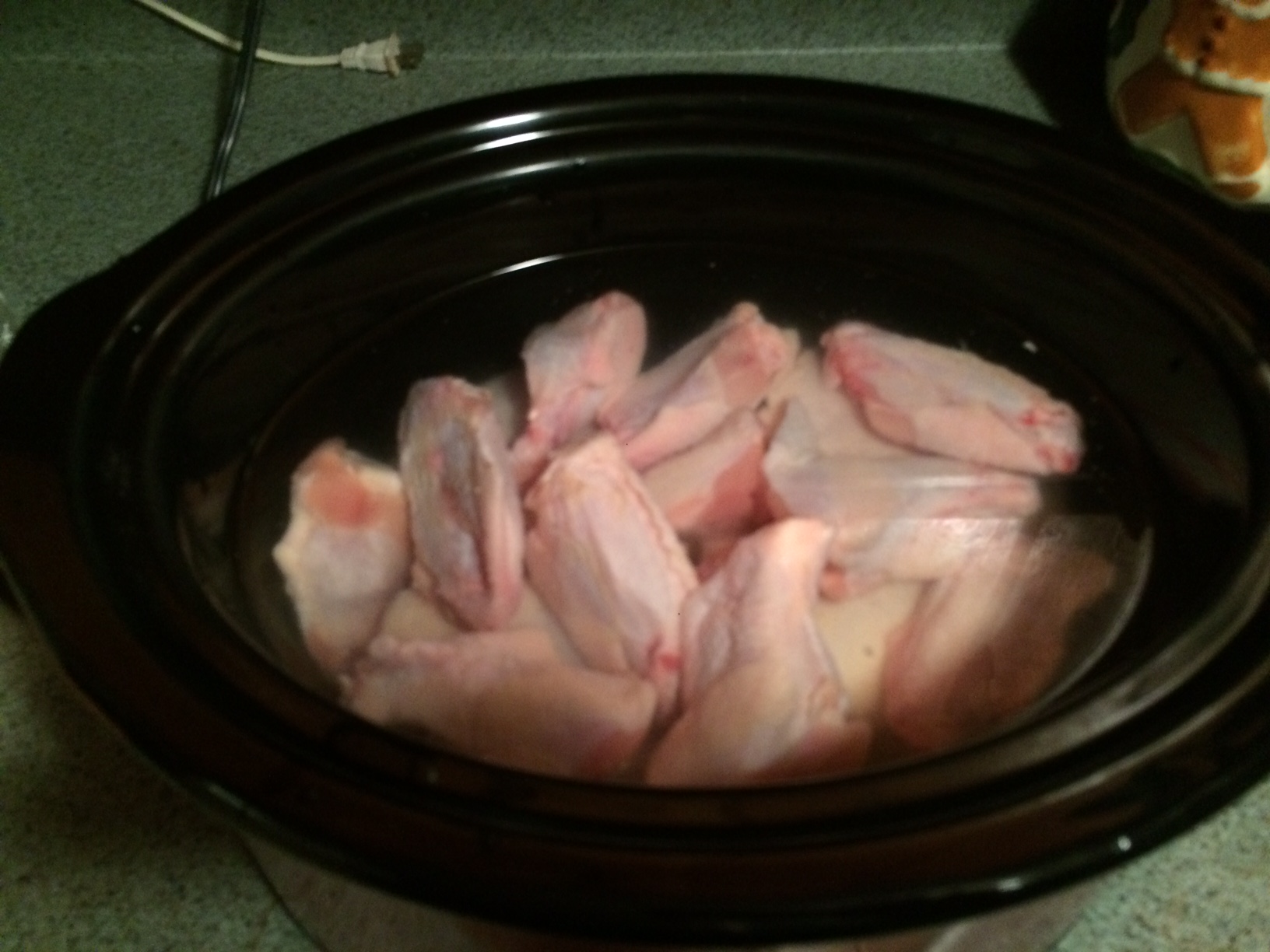
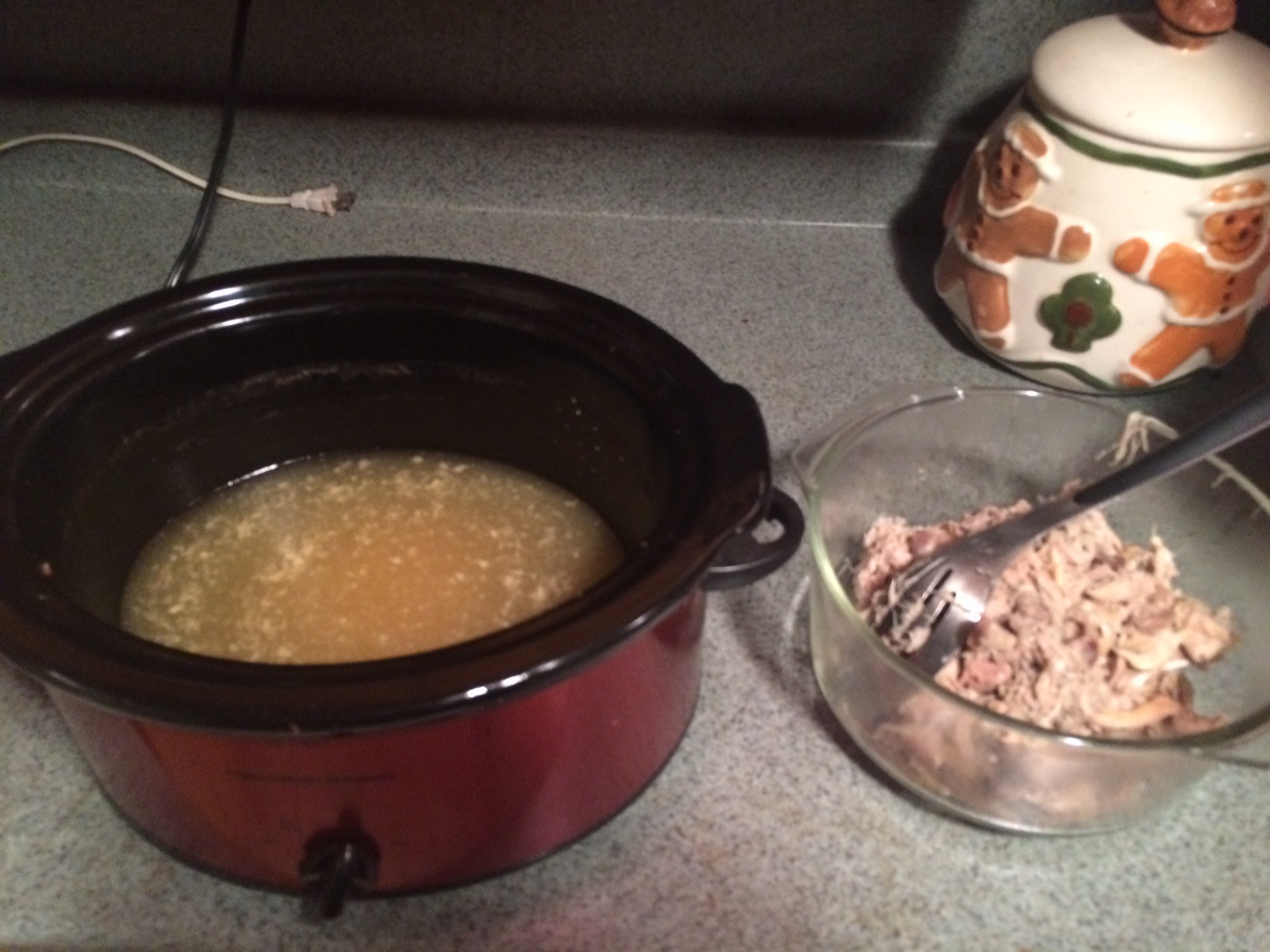
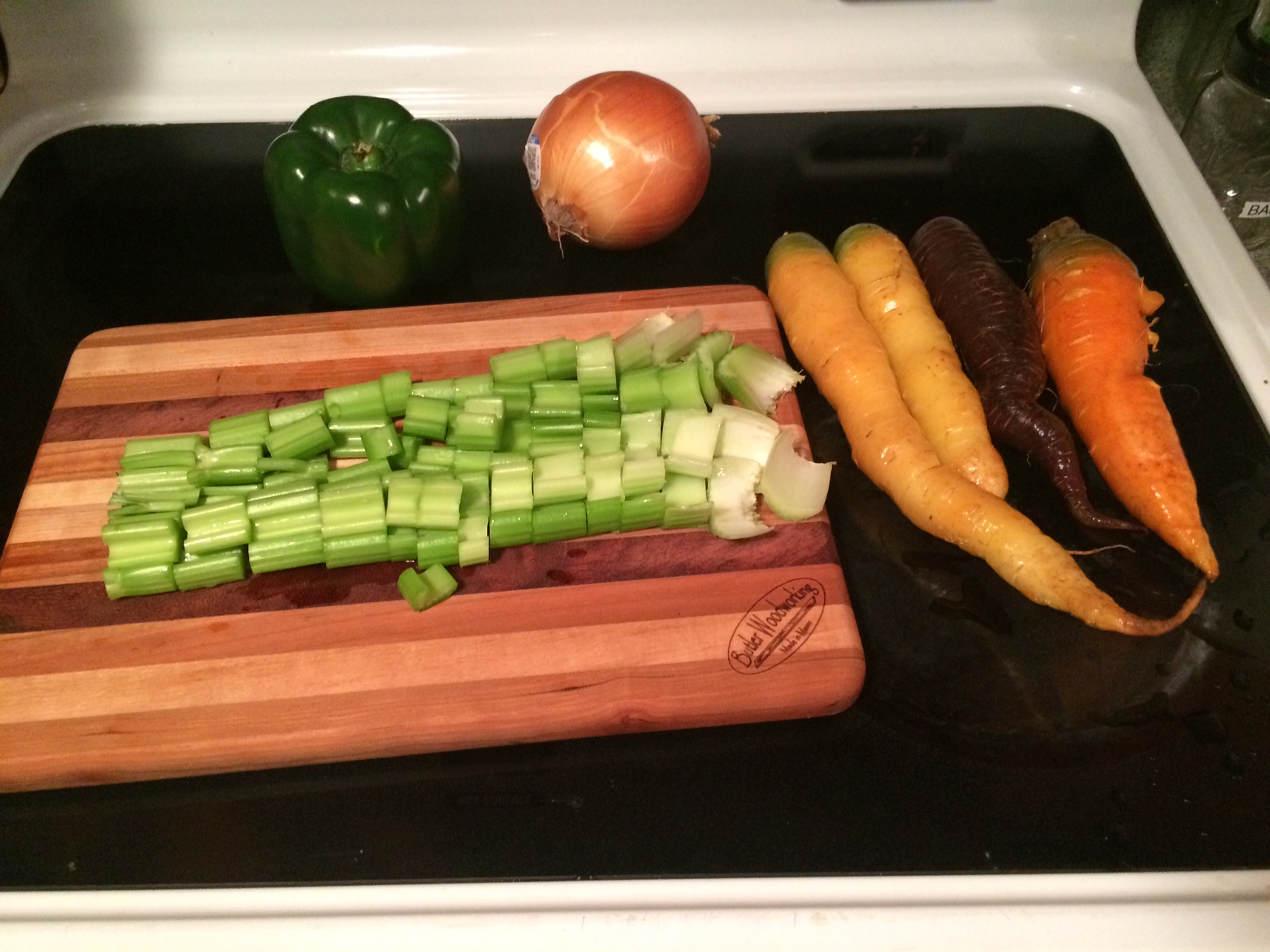
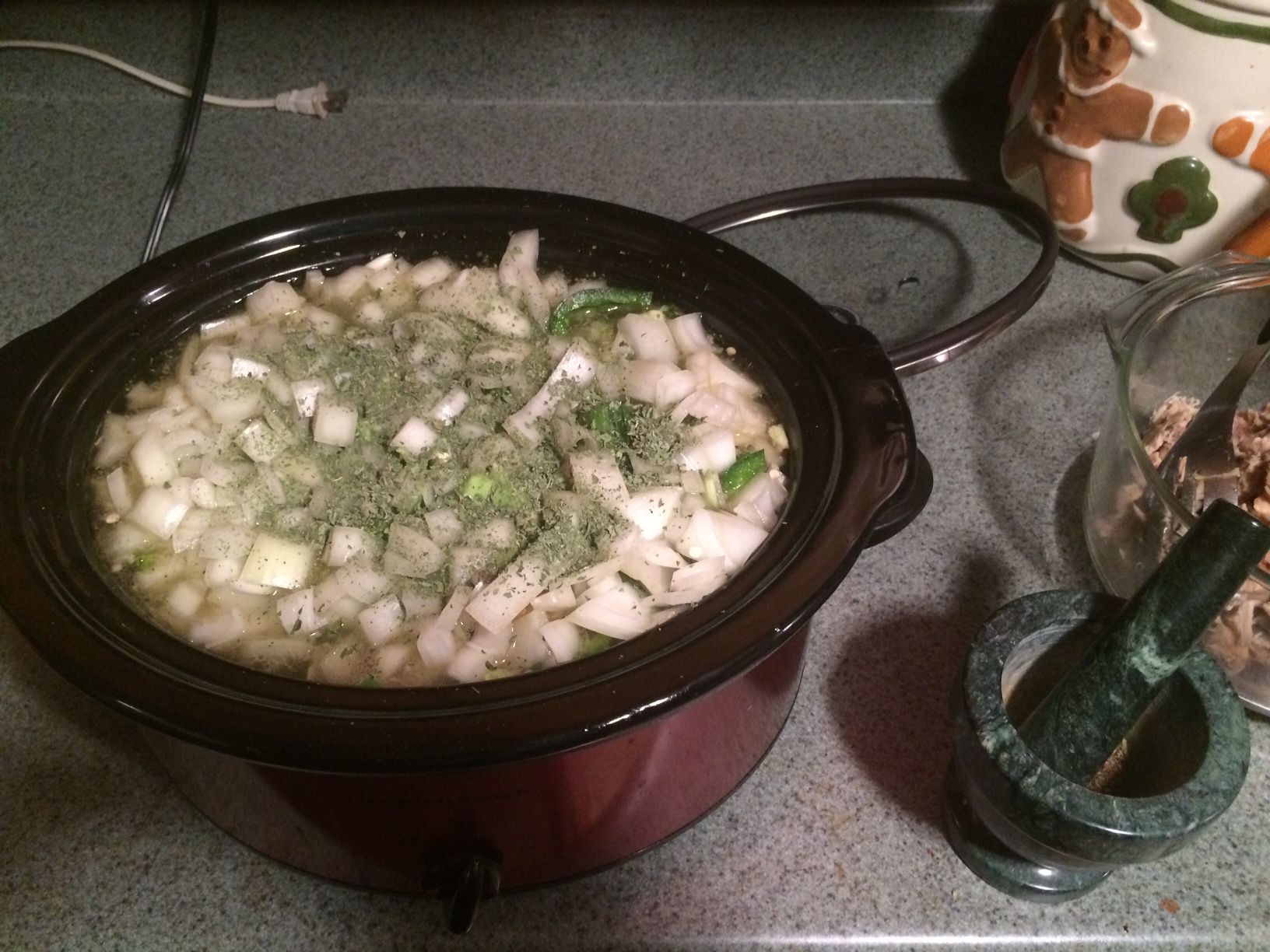
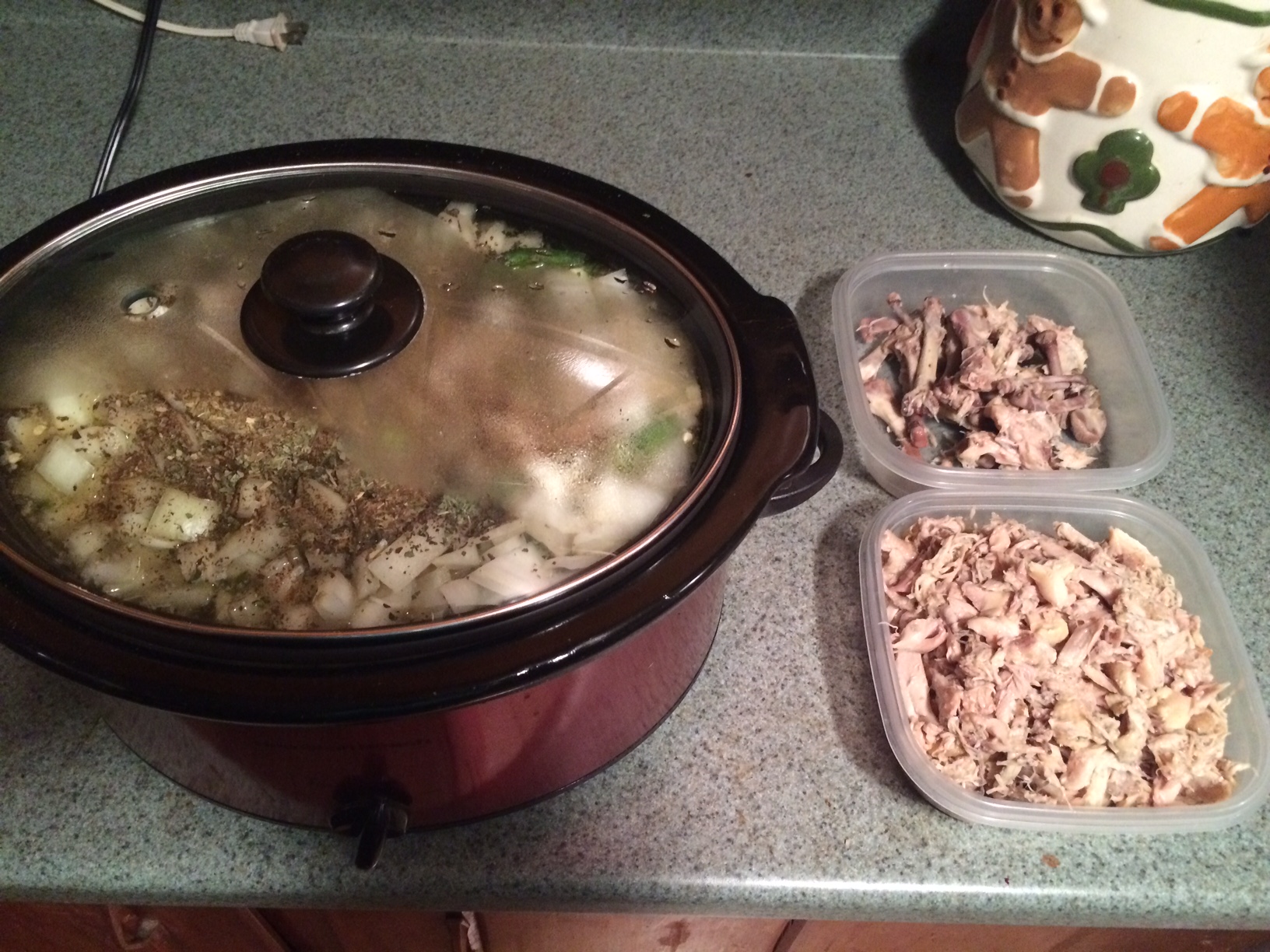
 Wanted to make a vegetable soup with a nice stock. Since I didn't feel like roasting a chicken, how to make stock? Was going to try chicken wings, then I saw the $5 package of thighs for $2 off...score!


 If I squeeze the tractor back further and tip the bucket...it can fit in the garage enough to close the door.
 Hey the new bridge in Putnam to the YMCA/Tech Park is open! On the way home from Woodstock Orchards picking up apples, and headed to errands in Dayville I swung in for a look (and you can drive all the way back to the ash landfill!)

 At least I did not have to chuck the wood onto the deck before stacking...lift it high and dump it!
 Figuring I have 9/10ths of a cord on the deck, 1/10th inside, and another cord still down below (plus probably another not split.)

 The only snow we had until today, the amount of barn cat tracks when I was leaving for work amused me.
 Some baked Salmon? Yes please. Hadn't done one in a while.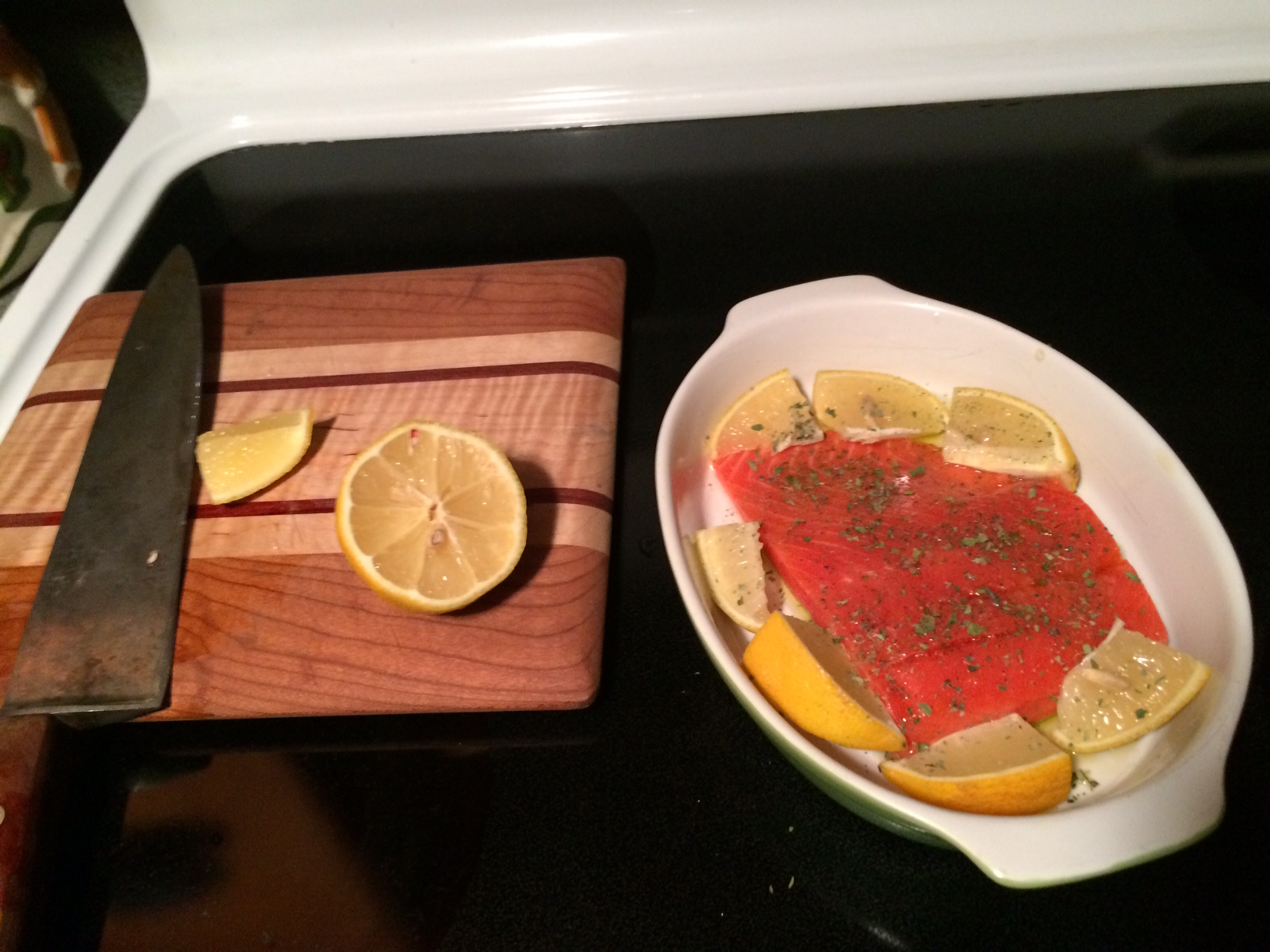
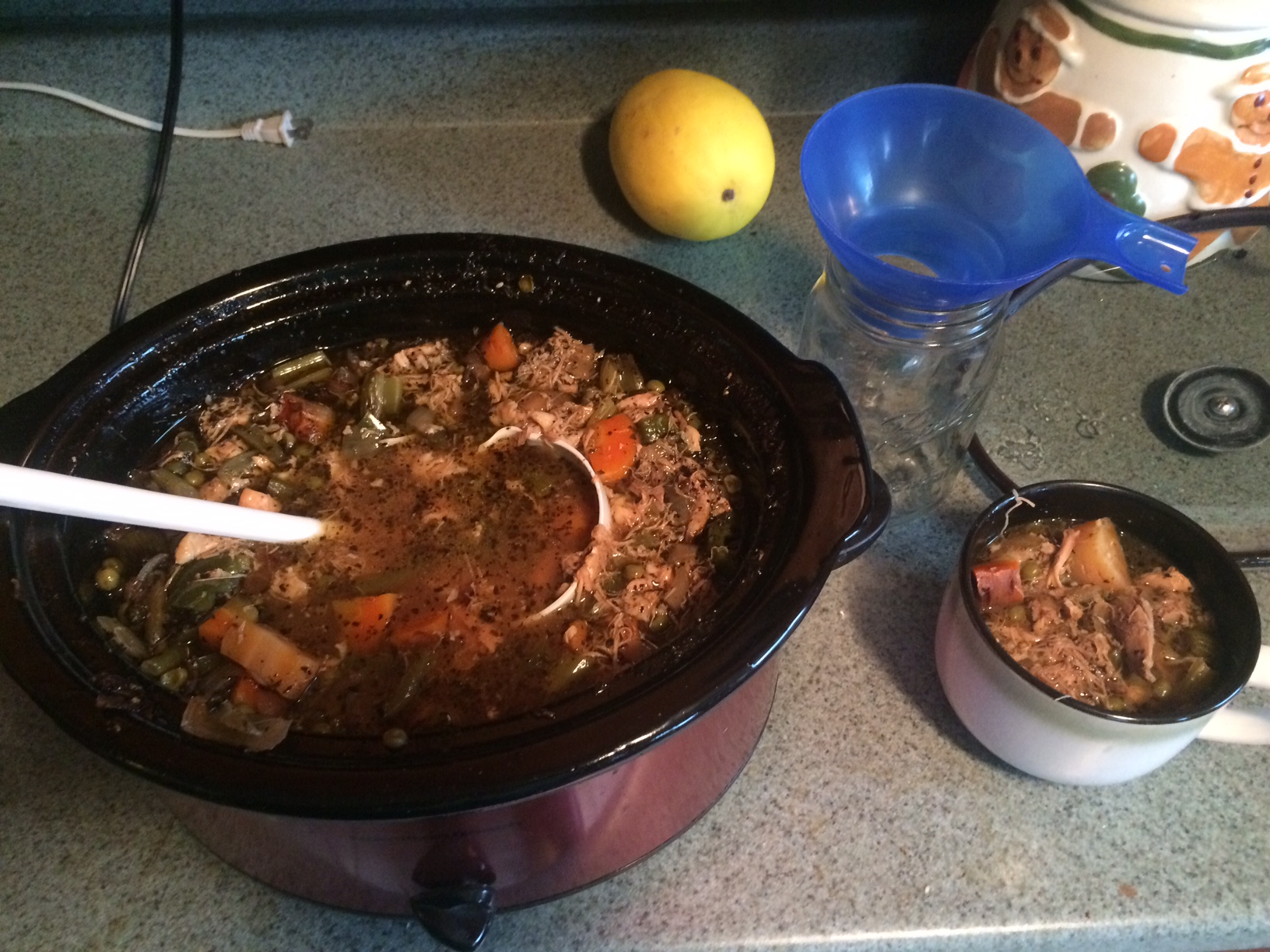
 Wanted to make a vegetable soup with a nice stock. Since I didn't feel like roasting a chicken, how to make stock? Was going to try chicken wings, then I saw the $5 package of thighs for $2 off...score!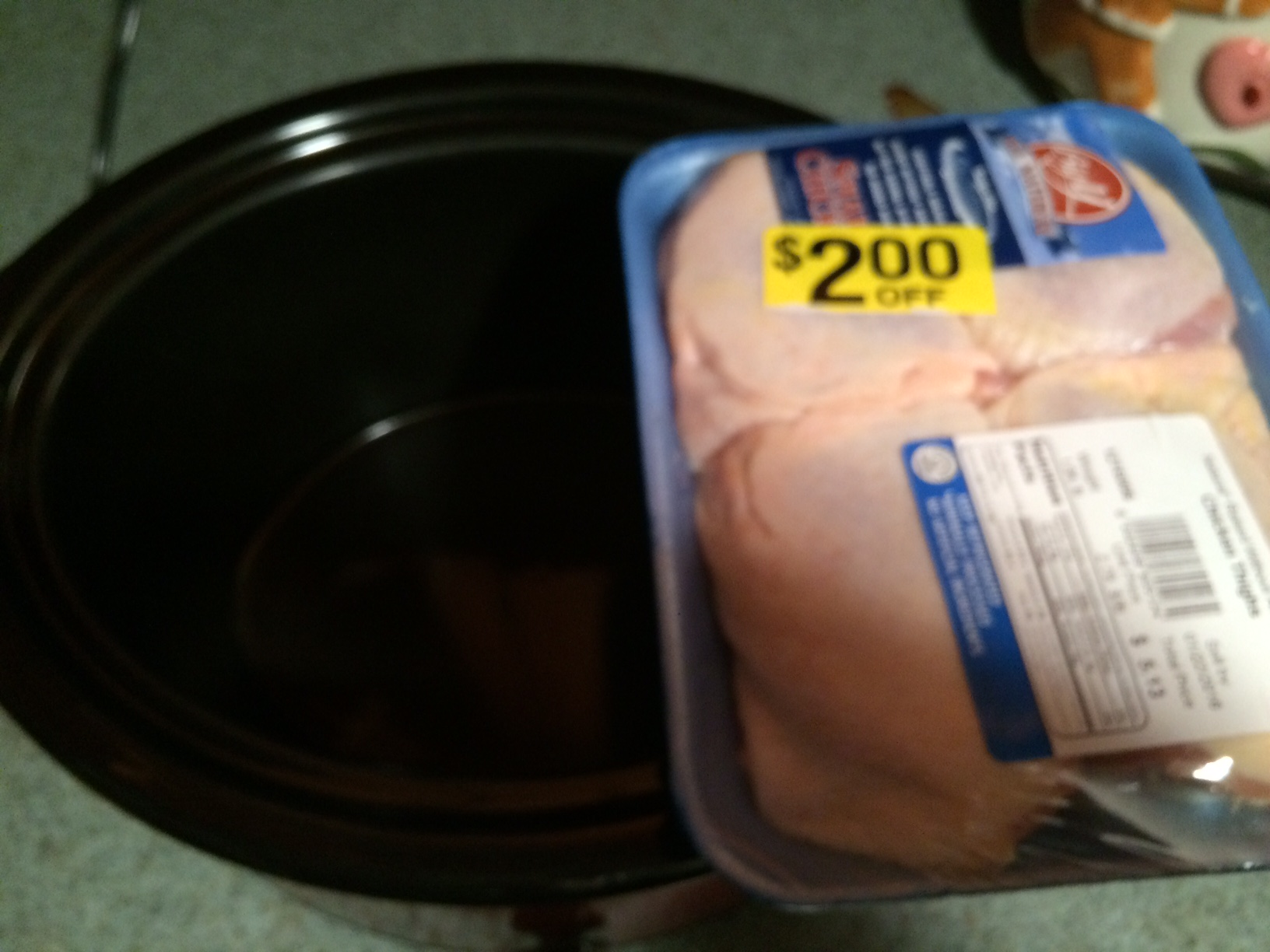
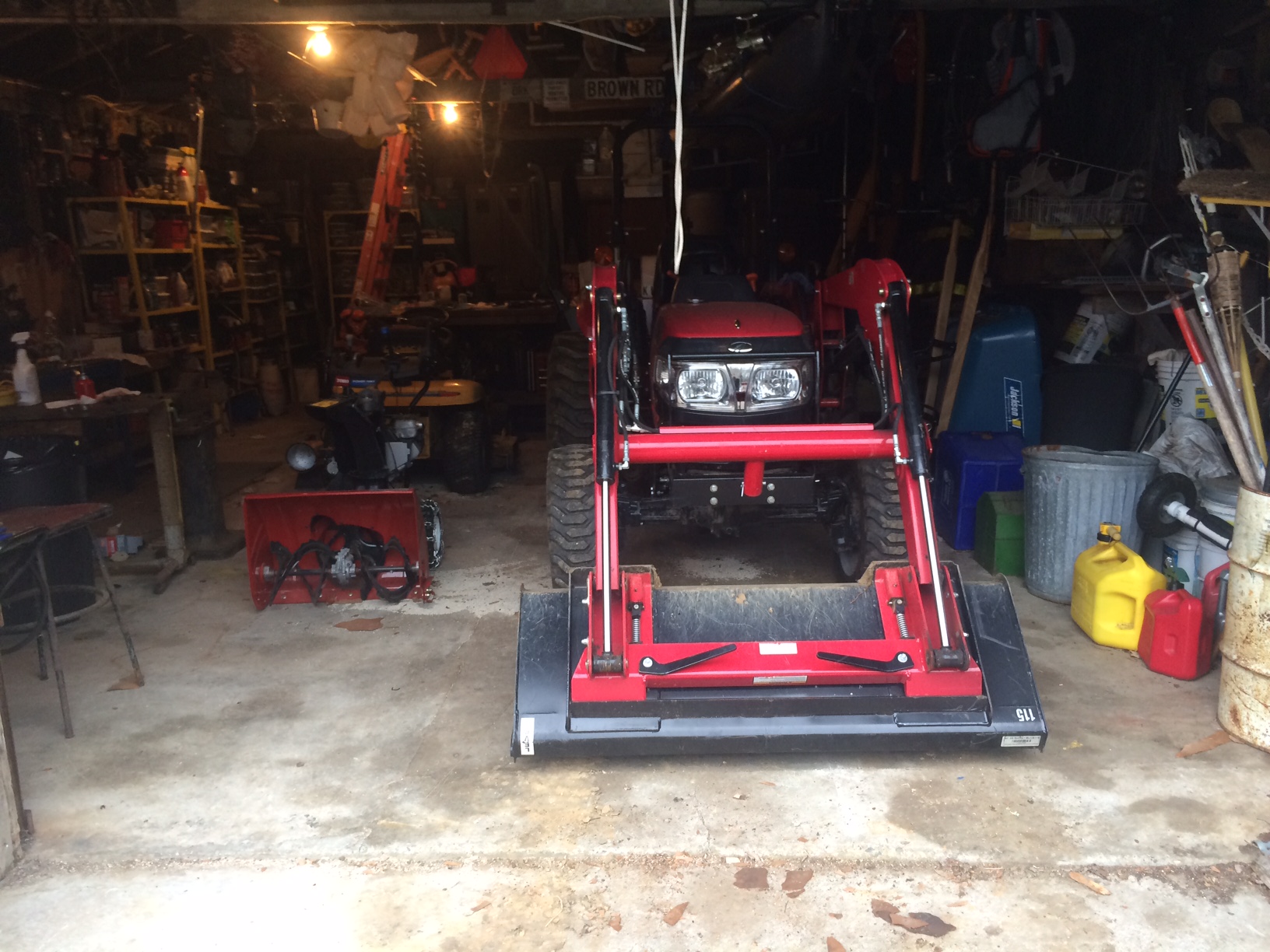
 If I squeeze the tractor back further and tip the bucket...it can fit in the garage enough to close the door.
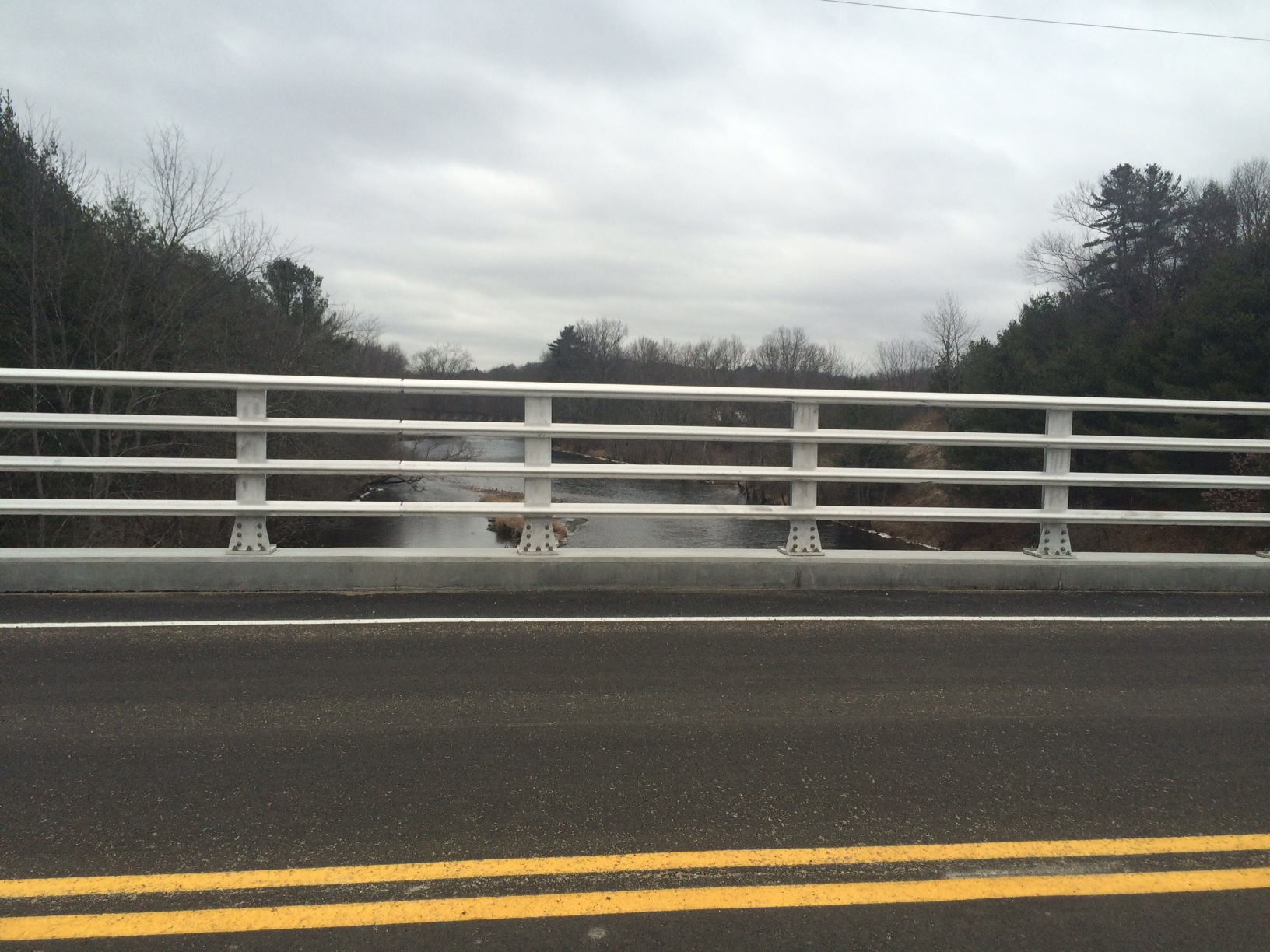
 Hey the new bridge in Putnam to the YMCA/Tech Park is open! On the way home from Woodstock Orchards picking up apples, and headed to errands in Dayville I swung in for a look (and you can drive all the way back to the ash landfill!)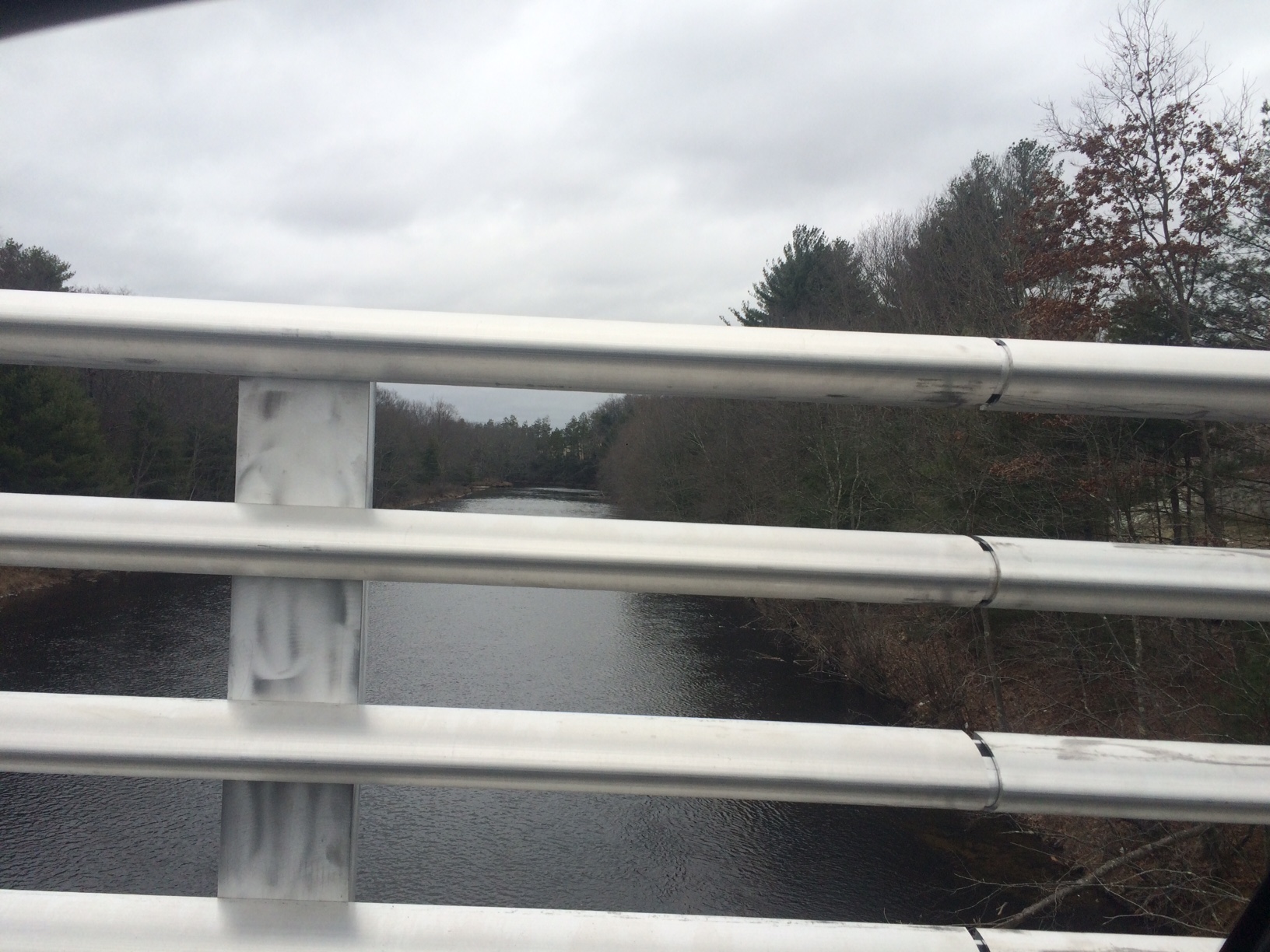
 At least I did not have to chuck the wood onto the deck before stacking...lift it high and dump it!
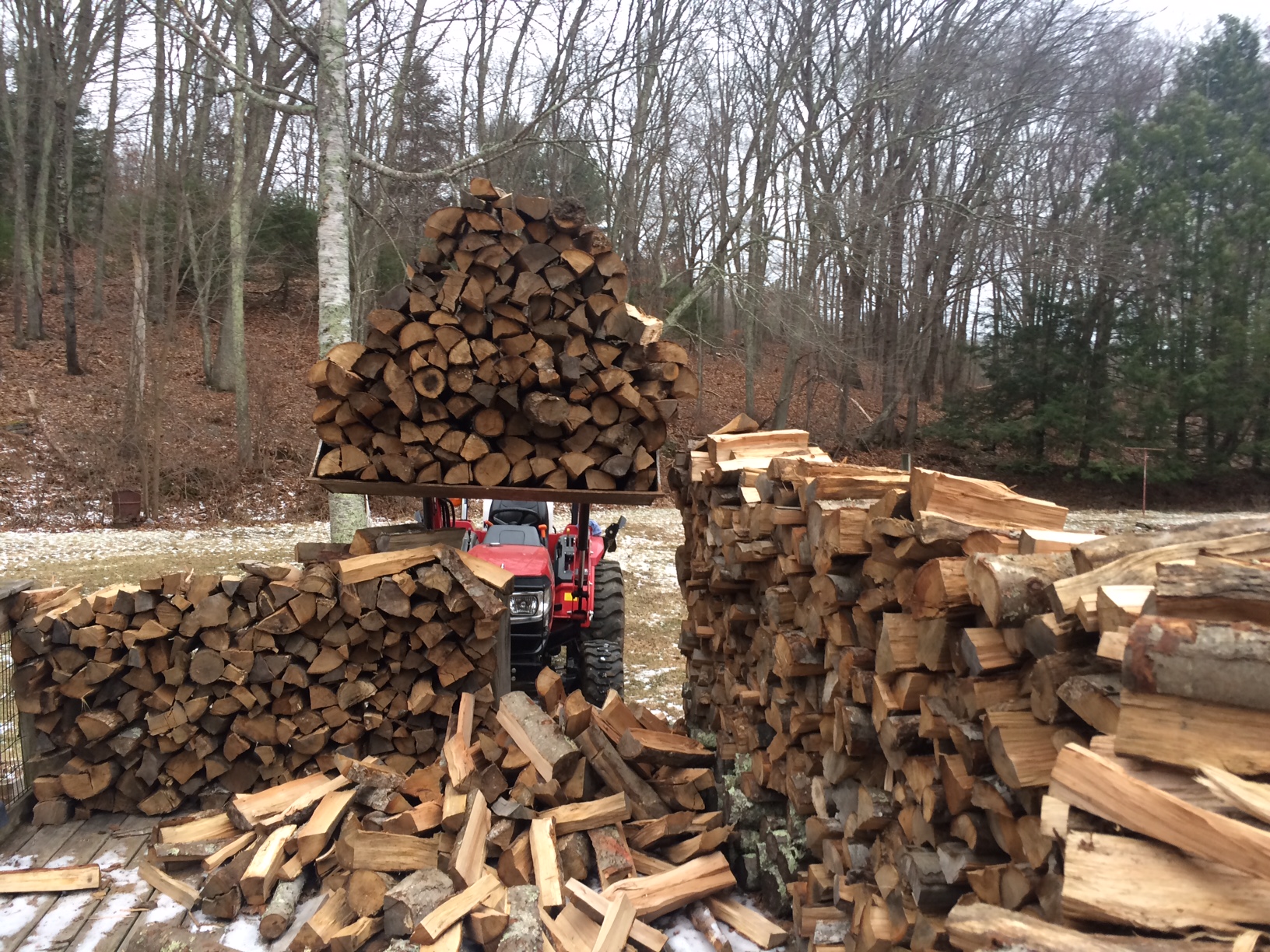 Figuring I have 9/10ths of a cord on the deck, 1/10th inside, and another cord still down below (plus probably another not split.)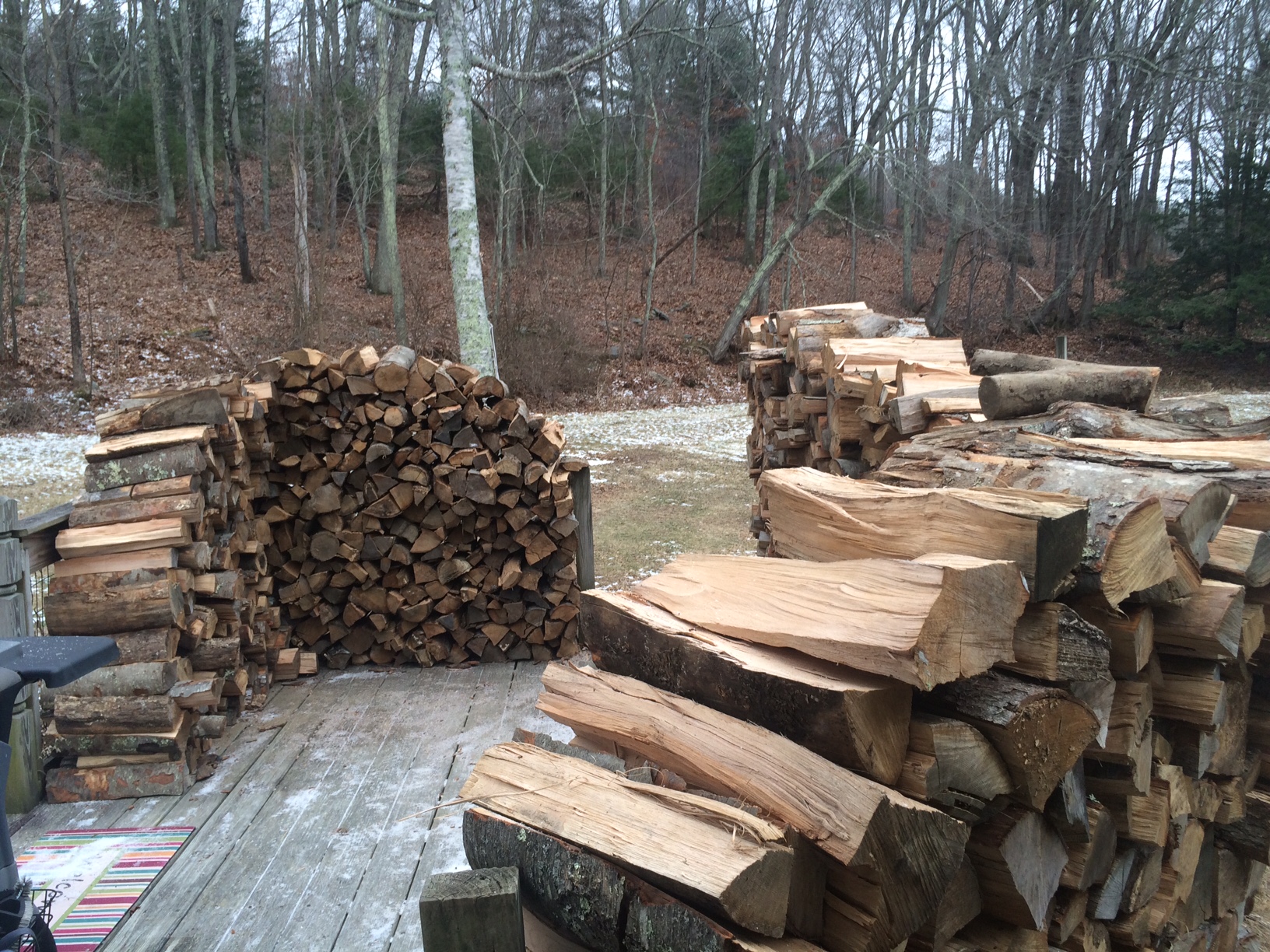
Sunday, January 10, 2016
Norman Rockwell Museum
Woke up Saturday, and still laying in bed I pondered my plans for the day (finishing the wiring in the garage)...and the notion poppped in to my head it would be a good day to go to the Norman Rockwell Museum out in Stockbridge, MA.
I was feeling pretty melancholy, was all weekend before and after. However Rockwell is at once nostalgic and inspirational.

One thing I never knew was how much time he put into revising and editing his works -- studies, photographs, sometimes re-painting the entire piece to get it right. The "Girl with a Shiner" ended up having to find a boy in Worcester with a black eye when he could find none locally.
Diarist for a blog?

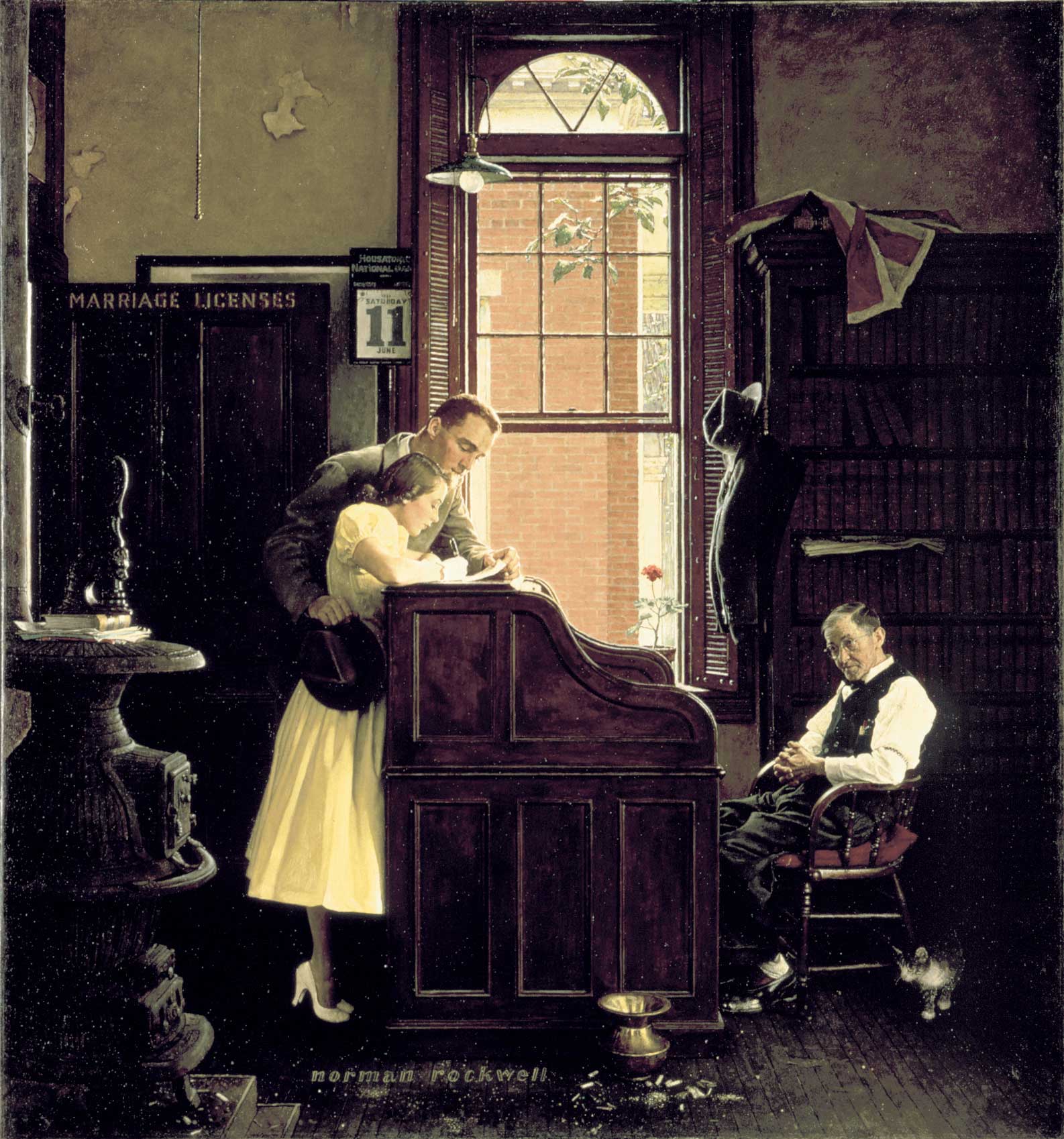
I bought a print of Marriage License, which will hang above the roll top desk when I eventually bring it to my house:

They do have some other artists on display. Forgiven, by Harold von Schmidt:

They also had a display "52 Reasons to Love a Vet" by various artists:


One thing I never knew was how much time he put into revising and editing his works -- studies, photographs, sometimes re-painting the entire piece to get it right. The "Girl with a Shiner" ended up having to find a boy in Worcester with a black eye when he could find none locally.
Diarist for a blog?

I bought a print of Marriage License, which will hang above the roll top desk when I eventually bring it to my house:
They do have some other artists on display. Forgiven, by Harold von Schmidt:

They also had a display "52 Reasons to Love a Vet" by various artists:


Friday, January 8, 2016
Stetson Road, Old King's Highway, and the Nipmuc Trail
Early Homesteads of Hampton & Pomfret
Not sure how or why I stumbled across that, but it made for an interesting (in a history geeky way) read.
By far my biggest discovery was about "the Old King's Highway" being the Nipmuc Trail...and it being Stetson Road. Now, these Indian trails were not a single route; North and South Bigelow Roads in Hampton undoubtedly formed an alternative route. It also made me think, "Why there?" till looking at a map I realized the route the authors described avoided major brooks and swamps.
While the trail led from Brookfield, Mass. (Quabog) to Norwich, Conn. the part I could follow best, starting on the south end of Canterbury went up Water Street, then crossing Route 14 followed Brooklyn Road -- the original path would have crossed at the corners with Colburn Road; but as the book detailed an innkeeper had bribed surveyors to move the road to east of the Westminster meetinghouse for commercial advantage. Colburn seems to form a reasonable alternate path, heading off towards South Bigelow and the Little River Valley as an alternate place for the Indian villages that moved every 10 years or so.
Crossing into Brooklyn it becomes Stetson Road, then Cherry Hill, then in Pomfret Brooklyn Road, and then Page Road but not coming back to Brooklyn Road as Page Road currently does but continued north (along a right of way still visible in property maps) to Duffy Road which joins Route 97 at the south end of what was originally the Abington commons.
Continuing north on 97, there seems to be a couple reasonable alternatives -- on followed Taft Pond Road to Dennis Road and (by the abandoned part of Dennis which comes out near or is the driveway to the 4H camp) back to Taft Pond to Ragged Hill and Swedentown Roads and then by abandoned road to the intersection of Perrin and Rocky Hill Roads, Rocky Hill likely one of the alternative routes of the Old Connecticut Path.
The other by North & Angell Roads to end up near Quassett Lake and the major Indian village of Wabbaquasset (South Woodstock).
From here it seems to me most logical for it follow the Old Connecticut Path until crossing the Quinebaug River around Fabayan or Quinebaug, and then it would be a straight shot up today's Route 31 (again avoiding all major water crossings after the Quinebaug) to meet the Bay Path in Charlton and head west to the north side of Quabog Plantation in the Brookfields.
The Homesteads book, however, mentions it crossing the Quinebaug in the Sturbridge area -- perhaps this was the alternate route to get to the south side of Quabog, and/or the route best suited to Nipmucs inhabiting the area around Mashapaug (Bigelow Hollow). Trying to avoid crossing the Quinebaug would have required a quite difficult detour crossing many of the strong SW-to-NE running ridges near Mashapaug and at times heading south before turning west only to have to turn back north then east again to reach Quabog.
The final speculative thought is all these "Old King's Highways" that clearly were not (English) Royal roads; but could this be related, even in a tongue and cheek way by early settlers, to use of "King" in lieu of Sachem, e.g. King Phillip's War?
Not sure how or why I stumbled across that, but it made for an interesting (in a history geeky way) read.
By far my biggest discovery was about "the Old King's Highway" being the Nipmuc Trail...and it being Stetson Road. Now, these Indian trails were not a single route; North and South Bigelow Roads in Hampton undoubtedly formed an alternative route. It also made me think, "Why there?" till looking at a map I realized the route the authors described avoided major brooks and swamps.
While the trail led from Brookfield, Mass. (Quabog) to Norwich, Conn. the part I could follow best, starting on the south end of Canterbury went up Water Street, then crossing Route 14 followed Brooklyn Road -- the original path would have crossed at the corners with Colburn Road; but as the book detailed an innkeeper had bribed surveyors to move the road to east of the Westminster meetinghouse for commercial advantage. Colburn seems to form a reasonable alternate path, heading off towards South Bigelow and the Little River Valley as an alternate place for the Indian villages that moved every 10 years or so.
Crossing into Brooklyn it becomes Stetson Road, then Cherry Hill, then in Pomfret Brooklyn Road, and then Page Road but not coming back to Brooklyn Road as Page Road currently does but continued north (along a right of way still visible in property maps) to Duffy Road which joins Route 97 at the south end of what was originally the Abington commons.
Continuing north on 97, there seems to be a couple reasonable alternatives -- on followed Taft Pond Road to Dennis Road and (by the abandoned part of Dennis which comes out near or is the driveway to the 4H camp) back to Taft Pond to Ragged Hill and Swedentown Roads and then by abandoned road to the intersection of Perrin and Rocky Hill Roads, Rocky Hill likely one of the alternative routes of the Old Connecticut Path.
The other by North & Angell Roads to end up near Quassett Lake and the major Indian village of Wabbaquasset (South Woodstock).
From here it seems to me most logical for it follow the Old Connecticut Path until crossing the Quinebaug River around Fabayan or Quinebaug, and then it would be a straight shot up today's Route 31 (again avoiding all major water crossings after the Quinebaug) to meet the Bay Path in Charlton and head west to the north side of Quabog Plantation in the Brookfields.
The Homesteads book, however, mentions it crossing the Quinebaug in the Sturbridge area -- perhaps this was the alternate route to get to the south side of Quabog, and/or the route best suited to Nipmucs inhabiting the area around Mashapaug (Bigelow Hollow). Trying to avoid crossing the Quinebaug would have required a quite difficult detour crossing many of the strong SW-to-NE running ridges near Mashapaug and at times heading south before turning west only to have to turn back north then east again to reach Quabog.
The final speculative thought is all these "Old King's Highways" that clearly were not (English) Royal roads; but could this be related, even in a tongue and cheek way by early settlers, to use of "King" in lieu of Sachem, e.g. King Phillip's War?
Wednesday, December 30, 2015
The Proper Pronounciation of Canada Parish
So I knew Hampton, Connecticut was originally "Canada Parish" of Windham.
It was named, at least indirectly, after the first settler in the Little River Valley, David Canada, whose father Daniel purchased land there in 1709 after first arriving in Canterbury and being disappointed that land speculators had already bought up the best land in the Quinebaug Valley went west over the next ridge.
Canada always seemed as an odd last name.
Then I was reading Early homesteads of Pomfret and Hampton and saw this:
That raised an eyebrow and a check of the etymology of Kennedy:
In a time well before standardized spelling, Canada pronounced as Cinnéidigh (or Canaday) rather than as the Iroquoian word Kanata that named the nation to our north makes sense.
It was named, at least indirectly, after the first settler in the Little River Valley, David Canada, whose father Daniel purchased land there in 1709 after first arriving in Canterbury and being disappointed that land speculators had already bought up the best land in the Quinebaug Valley went west over the next ridge.
Canada always seemed as an odd last name.
Then I was reading Early homesteads of Pomfret and Hampton and saw this:
in the vernacular of the times they named the settlement "Kennedy" in honor of David Canada,
That raised an eyebrow and a check of the etymology of Kennedy:
Kennedy is an Anglicised form of Cinnéidigh,
In a time well before standardized spelling, Canada pronounced as Cinnéidigh (or Canaday) rather than as the Iroquoian word Kanata that named the nation to our north makes sense.
Sunday, December 20, 2015
Saturday, December 5, 2015
Science...and guns...
This made me chuckle today:

Now onto the science of guns...yeah, there is some science despite it being one of the biggest hot-stove topics in existence.
Mostly some reference stuff for me I collected while wasting time tonight...since over the years I've read a lot, but it's tough trying to figure out an apples-to-apples without actually writing it down for yourself and looking all the information in one place. I may not have chosen historically absolutely accurate loads for this comparison, but in relative terms I'm sure we're in the ballpark.
If we go back to the Philippines Resurrection, the new .38 Colts were hated by the Army as wholly inadequate as a "man-stopper:"
Ten-X Cowboy Ammunition 38 Long Colt 150 Grain Lead Hollow Base Flat Point
Caliber: 38 Long Colt
Bullet Weight: 158 Grains
Muzzle Velocity: 700 fps (The speed of sound is 1125 fps...anything over that is MUCH louder as you get a sonic boom. They go from about 155dB for a strong subsonic loud, to about 165dB for a .357 Magnum class loads -- which is 10 times louder absolutely, and twice as loud to human perception.)
Muzzle Energy: 172 ft lbs
And I would say at the end of the day, muzzle energy (i.e. Force = Mass x Velocity) is the the most basic way to compare different ammunition loads.
So the Army wanted something more like the .45 Colts they had had:
Hornady Critical Defense Ammunition 45 Colt (Long Colt) 185 Grain Flex Tip eXpanding
Caliber: 45 Colt (Long Colt)
Bullet Weight: 185 Grains
Muzzle Velocity: 920 fps
Muzzle Energy: 348 ft. lbs.
So the .45 Automatic was developed:
The historic load:
Black Hills Ammunition 45 ACP 230 Grain Full Metal Jacket
Caliber: 45 ACP
Bullet Weight: 230 Grains
Muzzle Velocity: 850 fps
Muzzle Energy: 368 ft lbs -- they sure did a real good job emulating 45 Colt!
And a modern self-defense loading:
Hornady Critical Defense Ammunition 45 ACP 185 Grain Flex Tip eXpanding
Caliber: 45 ACP
Bullet Weight: 185 Grains
Muzzle Velocity: 1000 fps (Note it's subsonic)
Muzzle Energy: 411 ft. lbs.
.45 ACP is one of the two consensus "man-stoppers"...the other developed about 20 years later being the .357 Magnum:
Remington HTP .357 Magnum:
Caliber: 357 Mag
Bullet Weight: 125 Grain
Muzzle Velocity: 1450 fps (But this is supersonic)
Muzzle Energy: 583 ft. lbs. -- Dayum
But that high muzzle velocity requires a very strong gun, and since Newton has told us every action has an equal and opposite reaction, there is a strong kickback with a .357 Magnum.
At the time the .357 Magnum was developed and for many years after a lot of police departments carried .38 Special -- it was better than the .38 Colt of the Philippines days. But it doesn't have the reputation as a "Man-Stopper."
Hornady Critical Defense Ammunition 38 Special 110 Grain Flex Tip eXpanding
Caliber: 38 Special
Bullet Weight: 110 Grains
Muzzle Velocity: 1010 fps
Muzzle Energy: 249 ft. lbs.
(An advantage of a .357 Magnum pistol though is the ability to use .38 Special ammunition to practice and become proficient with your mechanics, especially good feature for "your first pistol.")
Meanwhile, the Europeans really liked their 9mm Luger...which has modern self-defense loads approaching the energy of a classic .45 ACP loading. This becomes a philosophical question -- the .357 Magnum revolver with six shots, high recoil, so relatively long time between shots as the shooter recovers but very effective hits (and the slightly lower recoil .45 ACP introduced with the seven shot M1911)...vs. the 9mm which was introduced with the Browning Hi-Power carrying 13 rounds meant to allow more shots in the same time period even if each shot was individually less effective.
Hornady Critical Defense Ammunition 9mm Luger 115 Grain Flex Tip eXpanding
Caliber: 9mm Luger
Bullet Weight: 115 Grains
Muzzle Velocity: 1140 fps
Muzzle Energy: 332 ft. lbs. (9mm shot from sub-machine guns is more powerful with pressures handguns aren't designed to withstand and would be well over 350 ft. lbs.)
If you want to know how this compares to Dirty Harry...he carried a .44 Magnum revolver BUT if you listen to the movie, he carried .44 Special in it -- a round a lot closer to .38 Special (and 9mm) than a .357:
Hornady Critical Defense Ammunition 44 Special 165 Grain Flex Tip eXpanding
Caliber: 44 Special
Bullet Weight: 165 Grains
Muzzle Velocity: 900 fps
Muzzle Energy: 297 ft. lbs.
But an advantage of the .44 Special is the lower velocity means lower pressures in the barrel and less kickback. In Dirty Harry's case, the kickback was even less because he carried a hand-cannon intended to handle a much, much higher pressure round (and basically that means more metal thus more weight to handle the pressure):
Hornady Custom Ammunition 44 Remington Magnum 240 Grain XTP Jacketed Hollow Point
Muzzle Velocity: 1350 fps
Muzzle Energy: 971 ft. lbs -- Gosh Dang...but that requires a heavy gun and experienced shooter to handle, thus why it's not a common self-defense round.
Recently the FBI wanted something better than a 9mm, something like a .357 Magnum but in a cartridge that could be used in an automatic -- and they developed the .357 Sig:
Hornady Critical Duty Ammunition 357 Sig 135 Grain FlexLock
Caliber: 357 Sig
Bullet Weight: 135 Grains
Muzzle Velocity: 1225 fps
Muzzle Energy: 450 ft lbs.
Looking over that list...the stuff American shooters by consensus consider true "Man-Stoppers" are basically anything over 350 ft. lbs.
For comparison to rifles...
This is roughly the specs of the most common round fired by U.S. troops in World War I, II, and Korea:
Remington UMC Ammunition 30-06 Springfield 150 Grain Full Metal Jacket
Caliber: 30-06 Springfield
Bullet Weight: 150 Grains
Muzzle Velocity: 2910 fps
Muzzle Energy: 2820 ft. lbs. -- which is a Man-and-everything-smaller-than-a-charging-Bull-Moose-stopper.
The .30-06 was shortened a bit into the 7.62 NATO, partially in attempt to create an selective-fire rifle (M14) to replace the semi-automatic M1 Garand rifles of World War II. It was only in widespread use from the early 60s to early 70s, with the 5.56mm firing M16 being the main rifle in use in combat by 1967. However, the M14 has been in resurgence in the more open desert areas which often have longer shots that don't require a sniper, but need more oomph than a 5.56. The M14 is hard to control in automatic fire mode, but it was a real good semi-automatic.
Federal Ammunition 7.62x51mm NATO 149 Grain XM80 Full Metal Jacket
Caliber: 7.62x51mm NATO
Bullet Weight: 149 Grains
Muzzle Velocity: 2750 fps
Muzzle Energy: 2437 ft lb
Meanwhile the Soviets also had a 7.62mm for the AK-47, but it is a less powerful round. Wouldn't want to be shot by either, but if you had a choice of being shot by one or the other this is the one you'd pick:
TulAmmo Ammunition 7.62x39mm 122 Grain Full Metal Jacket
Caliber: 7.62x39mm Russian
Bullet Weight: 122 Grains
Muzzle Velocity: 2396 fps
Muzzle Energy: 1555 ft lb
Back to the 5.56 and M16...it's a lot closer to the 7.62x39mm AK-47 in power, than the AK-47 was to the M14. (And along with a less ergonomic stock on the M14, the much more powerful round it fires explains why it was difficult to control in automatic fire while the AK-47 isn't.) Automatic fire isn't meant to kill people -- it's meant as suppressive fire to force people to keep their heads down. The idea of the M16 is to carry a lot more rounds so you can lay down suppressive fire without a heavy single-man machine gun (like the Browning Automatic Rifle of WWII), or a two-man crew served machine gun.
Winchester Ammunition 5.56x45 NATO 62 Grain M855 SS109
Muzzle Velocity: 3100 fps
Muzzle Energy: 1323 ft. lbs.
Interestingly, you jump up about as much in muzzle energy from a .357 Magnum to a .44 Magnum and again to a 5.56mm.
The .30-30 is a classic that has put a lot of deer in the freezer even if it seems to have an image as an old fuddy-duddy...but it has considerably more punch than an M16 (well, at least if you don't count rate of fire)
Hornady LEVERevolution Ammunition 30-30 Winchester 160 Grain Flex Tip eXpanding
Caliber: 30-30 Winchester
Bullet Weight: 160 Grains
Muzzle Velocity: 2400 fps
Muzzle Energy: 2046 ft. lbs.
While I am it...
.300 Winchester Magnum which is considered a "big game" and excellent sniper round:
Hornady Superformance SST Ammunition 300 Winchester Magnum 180 Grain SST
Muzzle Velocity: 3130 fps
Muzzle Energy: 3917 ft. lbs.
And a Dangerous Game cartridge for when you absolutely, positively must stop what is running at you right now -- the .375 H&H: Hornady Dangerous Game Superformance Ammunition 375 H&H Magnum 270 Grain
Caliber: 375 H&H Magnum
Bullet Weight: 270 Grains
Bullet Style: Spire Point Recoil Proof
Muzzle Velocity: 2800 fps
Muzzle Energy: 4699 ft. lbs.
And being a Finn, have to mention the .338 Lapua for when you have to reach out and kill someone from a mile-and-a-half away (it's one of the few cartridges ever designed first and foremost as a sniper round.)
Federal Premium Gold Medal Ammunition 338 Lapua Magnum 300 Grain Sierra MatchKing Hollow Point
Caliber: 338 Lapua
Bullet Weight: 300 Grains
Muzzle Velocity: 2580 fps
Muzzle Energy: 4434 ft. lbs.
And the Mother Of All Rifle Rounds...the .50 Browning Machine Gun. I have one of these rounds my Dad brought back from his days in the service just after WWII. It's especially good as an "anti-material" round to do things like disable vehicles and explode previously flagged land mines from a mile away because it was originally meant for vehicle and structure mounted machine guns shooting at equipment like airplanes attacking them.
Hornady Match Ammunition 50 BMG 750 Grain A-Max Boat Tail
Caliber: 50 BMG
Bullet Weight: 750 Grains
Muzzle Velocity: 2820 fps
Muzzle Energy: 13241 ft. lbs.
Now onto the science of guns...yeah, there is some science despite it being one of the biggest hot-stove topics in existence.
Mostly some reference stuff for me I collected while wasting time tonight...since over the years I've read a lot, but it's tough trying to figure out an apples-to-apples without actually writing it down for yourself and looking all the information in one place. I may not have chosen historically absolutely accurate loads for this comparison, but in relative terms I'm sure we're in the ballpark.
If we go back to the Philippines Resurrection, the new .38 Colts were hated by the Army as wholly inadequate as a "man-stopper:"
Ten-X Cowboy Ammunition 38 Long Colt 150 Grain Lead Hollow Base Flat Point
Caliber: 38 Long Colt
Bullet Weight: 158 Grains
Muzzle Velocity: 700 fps (The speed of sound is 1125 fps...anything over that is MUCH louder as you get a sonic boom. They go from about 155dB for a strong subsonic loud, to about 165dB for a .357 Magnum class loads -- which is 10 times louder absolutely, and twice as loud to human perception.)
Muzzle Energy: 172 ft lbs
And I would say at the end of the day, muzzle energy (i.e. Force = Mass x Velocity) is the the most basic way to compare different ammunition loads.
So the Army wanted something more like the .45 Colts they had had:
Hornady Critical Defense Ammunition 45 Colt (Long Colt) 185 Grain Flex Tip eXpanding
Caliber: 45 Colt (Long Colt)
Bullet Weight: 185 Grains
Muzzle Velocity: 920 fps
Muzzle Energy: 348 ft. lbs.
So the .45 Automatic was developed:
The historic load:
Black Hills Ammunition 45 ACP 230 Grain Full Metal Jacket
Caliber: 45 ACP
Bullet Weight: 230 Grains
Muzzle Velocity: 850 fps
Muzzle Energy: 368 ft lbs -- they sure did a real good job emulating 45 Colt!
And a modern self-defense loading:
Hornady Critical Defense Ammunition 45 ACP 185 Grain Flex Tip eXpanding
Caliber: 45 ACP
Bullet Weight: 185 Grains
Muzzle Velocity: 1000 fps (Note it's subsonic)
Muzzle Energy: 411 ft. lbs.
.45 ACP is one of the two consensus "man-stoppers"...the other developed about 20 years later being the .357 Magnum:
Remington HTP .357 Magnum:
Caliber: 357 Mag
Bullet Weight: 125 Grain
Muzzle Velocity: 1450 fps (But this is supersonic)
Muzzle Energy: 583 ft. lbs. -- Dayum
But that high muzzle velocity requires a very strong gun, and since Newton has told us every action has an equal and opposite reaction, there is a strong kickback with a .357 Magnum.
At the time the .357 Magnum was developed and for many years after a lot of police departments carried .38 Special -- it was better than the .38 Colt of the Philippines days. But it doesn't have the reputation as a "Man-Stopper."
Hornady Critical Defense Ammunition 38 Special 110 Grain Flex Tip eXpanding
Caliber: 38 Special
Bullet Weight: 110 Grains
Muzzle Velocity: 1010 fps
Muzzle Energy: 249 ft. lbs.
(An advantage of a .357 Magnum pistol though is the ability to use .38 Special ammunition to practice and become proficient with your mechanics, especially good feature for "your first pistol.")
Meanwhile, the Europeans really liked their 9mm Luger...which has modern self-defense loads approaching the energy of a classic .45 ACP loading. This becomes a philosophical question -- the .357 Magnum revolver with six shots, high recoil, so relatively long time between shots as the shooter recovers but very effective hits (and the slightly lower recoil .45 ACP introduced with the seven shot M1911)...vs. the 9mm which was introduced with the Browning Hi-Power carrying 13 rounds meant to allow more shots in the same time period even if each shot was individually less effective.
Hornady Critical Defense Ammunition 9mm Luger 115 Grain Flex Tip eXpanding
Caliber: 9mm Luger
Bullet Weight: 115 Grains
Muzzle Velocity: 1140 fps
Muzzle Energy: 332 ft. lbs. (9mm shot from sub-machine guns is more powerful with pressures handguns aren't designed to withstand and would be well over 350 ft. lbs.)
If you want to know how this compares to Dirty Harry...he carried a .44 Magnum revolver BUT if you listen to the movie, he carried .44 Special in it -- a round a lot closer to .38 Special (and 9mm) than a .357:
Hornady Critical Defense Ammunition 44 Special 165 Grain Flex Tip eXpanding
Caliber: 44 Special
Bullet Weight: 165 Grains
Muzzle Velocity: 900 fps
Muzzle Energy: 297 ft. lbs.
But an advantage of the .44 Special is the lower velocity means lower pressures in the barrel and less kickback. In Dirty Harry's case, the kickback was even less because he carried a hand-cannon intended to handle a much, much higher pressure round (and basically that means more metal thus more weight to handle the pressure):
Hornady Custom Ammunition 44 Remington Magnum 240 Grain XTP Jacketed Hollow Point
Muzzle Velocity: 1350 fps
Muzzle Energy: 971 ft. lbs -- Gosh Dang...but that requires a heavy gun and experienced shooter to handle, thus why it's not a common self-defense round.
Recently the FBI wanted something better than a 9mm, something like a .357 Magnum but in a cartridge that could be used in an automatic -- and they developed the .357 Sig:
Hornady Critical Duty Ammunition 357 Sig 135 Grain FlexLock
Caliber: 357 Sig
Bullet Weight: 135 Grains
Muzzle Velocity: 1225 fps
Muzzle Energy: 450 ft lbs.
Looking over that list...the stuff American shooters by consensus consider true "Man-Stoppers" are basically anything over 350 ft. lbs.
For comparison to rifles...
This is roughly the specs of the most common round fired by U.S. troops in World War I, II, and Korea:
Remington UMC Ammunition 30-06 Springfield 150 Grain Full Metal Jacket
Caliber: 30-06 Springfield
Bullet Weight: 150 Grains
Muzzle Velocity: 2910 fps
Muzzle Energy: 2820 ft. lbs. -- which is a Man-and-everything-smaller-than-a-charging-Bull-Moose-stopper.
The .30-06 was shortened a bit into the 7.62 NATO, partially in attempt to create an selective-fire rifle (M14) to replace the semi-automatic M1 Garand rifles of World War II. It was only in widespread use from the early 60s to early 70s, with the 5.56mm firing M16 being the main rifle in use in combat by 1967. However, the M14 has been in resurgence in the more open desert areas which often have longer shots that don't require a sniper, but need more oomph than a 5.56. The M14 is hard to control in automatic fire mode, but it was a real good semi-automatic.
Federal Ammunition 7.62x51mm NATO 149 Grain XM80 Full Metal Jacket
Caliber: 7.62x51mm NATO
Bullet Weight: 149 Grains
Muzzle Velocity: 2750 fps
Muzzle Energy: 2437 ft lb
Meanwhile the Soviets also had a 7.62mm for the AK-47, but it is a less powerful round. Wouldn't want to be shot by either, but if you had a choice of being shot by one or the other this is the one you'd pick:
TulAmmo Ammunition 7.62x39mm 122 Grain Full Metal Jacket
Caliber: 7.62x39mm Russian
Bullet Weight: 122 Grains
Muzzle Velocity: 2396 fps
Muzzle Energy: 1555 ft lb
Back to the 5.56 and M16...it's a lot closer to the 7.62x39mm AK-47 in power, than the AK-47 was to the M14. (And along with a less ergonomic stock on the M14, the much more powerful round it fires explains why it was difficult to control in automatic fire while the AK-47 isn't.) Automatic fire isn't meant to kill people -- it's meant as suppressive fire to force people to keep their heads down. The idea of the M16 is to carry a lot more rounds so you can lay down suppressive fire without a heavy single-man machine gun (like the Browning Automatic Rifle of WWII), or a two-man crew served machine gun.
Winchester Ammunition 5.56x45 NATO 62 Grain M855 SS109
Muzzle Velocity: 3100 fps
Muzzle Energy: 1323 ft. lbs.
Interestingly, you jump up about as much in muzzle energy from a .357 Magnum to a .44 Magnum and again to a 5.56mm.
The .30-30 is a classic that has put a lot of deer in the freezer even if it seems to have an image as an old fuddy-duddy...but it has considerably more punch than an M16 (well, at least if you don't count rate of fire)
Hornady LEVERevolution Ammunition 30-30 Winchester 160 Grain Flex Tip eXpanding
Caliber: 30-30 Winchester
Bullet Weight: 160 Grains
Muzzle Velocity: 2400 fps
Muzzle Energy: 2046 ft. lbs.
While I am it...
.300 Winchester Magnum which is considered a "big game" and excellent sniper round:
Hornady Superformance SST Ammunition 300 Winchester Magnum 180 Grain SST
Muzzle Velocity: 3130 fps
Muzzle Energy: 3917 ft. lbs.
And a Dangerous Game cartridge for when you absolutely, positively must stop what is running at you right now -- the .375 H&H: Hornady Dangerous Game Superformance Ammunition 375 H&H Magnum 270 Grain
Caliber: 375 H&H Magnum
Bullet Weight: 270 Grains
Bullet Style: Spire Point Recoil Proof
Muzzle Velocity: 2800 fps
Muzzle Energy: 4699 ft. lbs.
And being a Finn, have to mention the .338 Lapua for when you have to reach out and kill someone from a mile-and-a-half away (it's one of the few cartridges ever designed first and foremost as a sniper round.)
Federal Premium Gold Medal Ammunition 338 Lapua Magnum 300 Grain Sierra MatchKing Hollow Point
Caliber: 338 Lapua
Bullet Weight: 300 Grains
Muzzle Velocity: 2580 fps
Muzzle Energy: 4434 ft. lbs.
And the Mother Of All Rifle Rounds...the .50 Browning Machine Gun. I have one of these rounds my Dad brought back from his days in the service just after WWII. It's especially good as an "anti-material" round to do things like disable vehicles and explode previously flagged land mines from a mile away because it was originally meant for vehicle and structure mounted machine guns shooting at equipment like airplanes attacking them.
Hornady Match Ammunition 50 BMG 750 Grain A-Max Boat Tail
Caliber: 50 BMG
Bullet Weight: 750 Grains
Muzzle Velocity: 2820 fps
Muzzle Energy: 13241 ft. lbs.
Thursday, December 3, 2015
Sunday, November 29, 2015
November Picture Dump
The Steps. Lots of days this month it was too late to take photos when I wrapped up doing stuff.

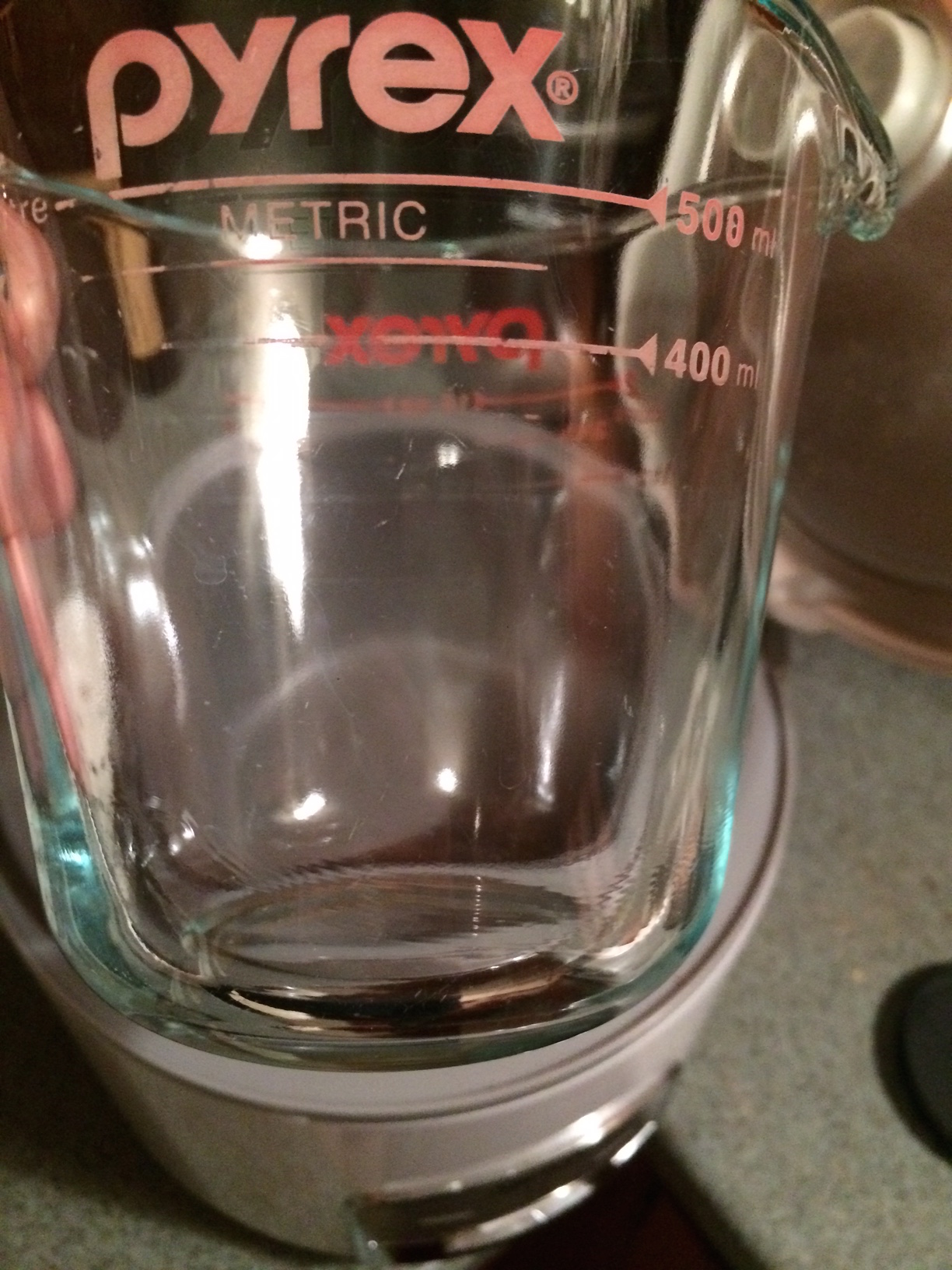
I think this measuring cup is about done...

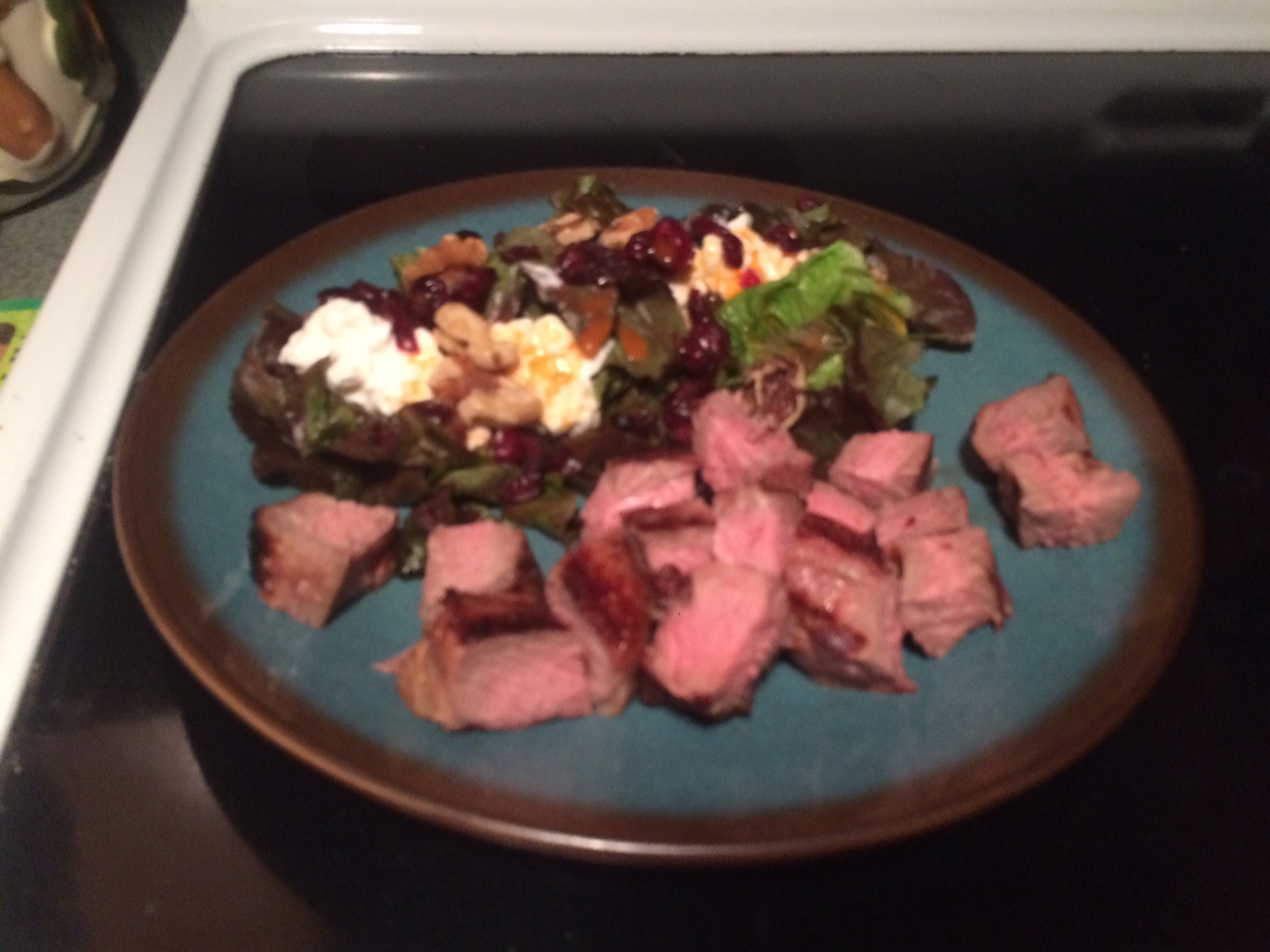
Some awesome chicken rice soup!

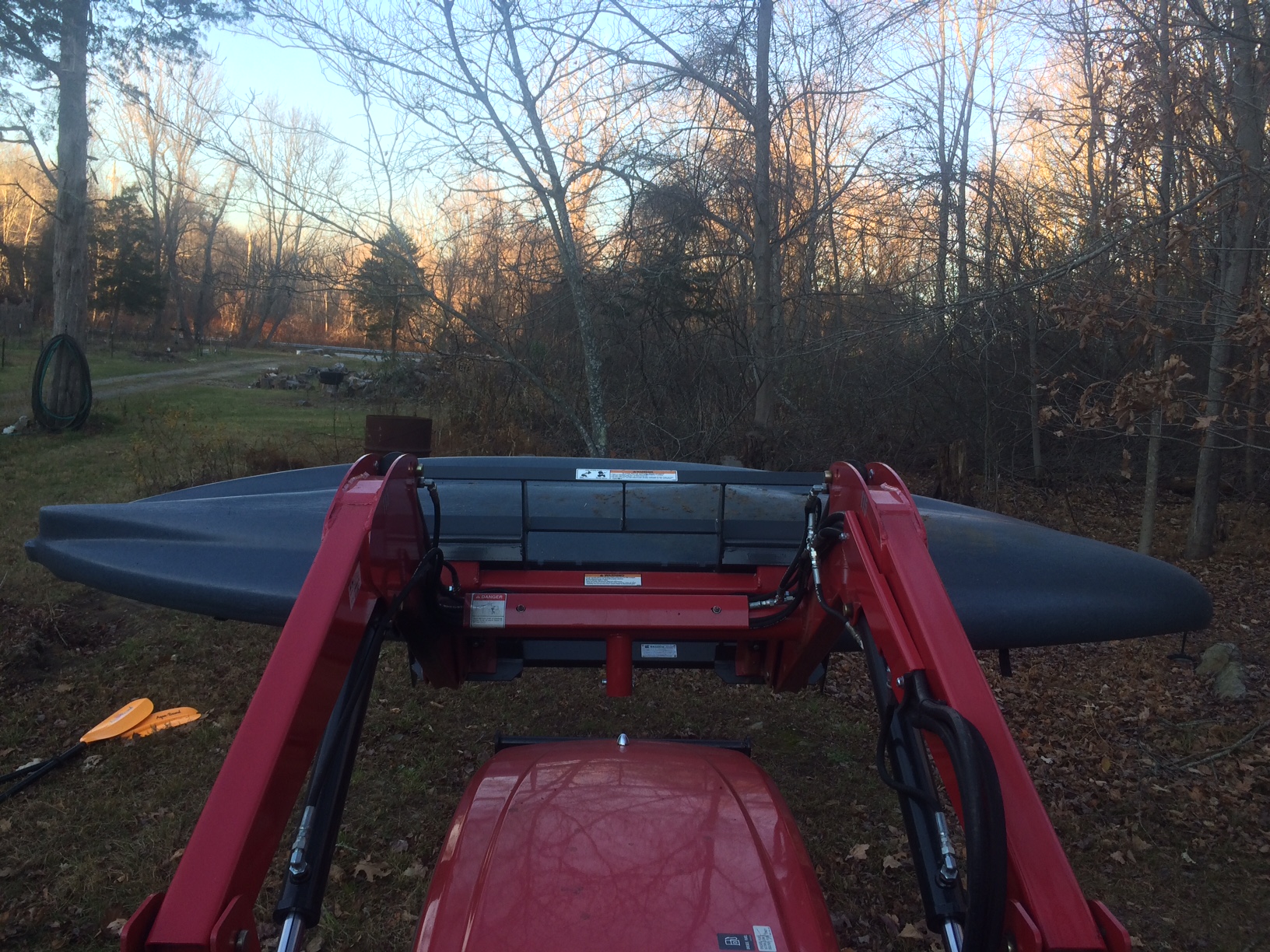
Does make it easy to move the kayak :D

Buzzed shopping at a Scandinavian store will not end well...


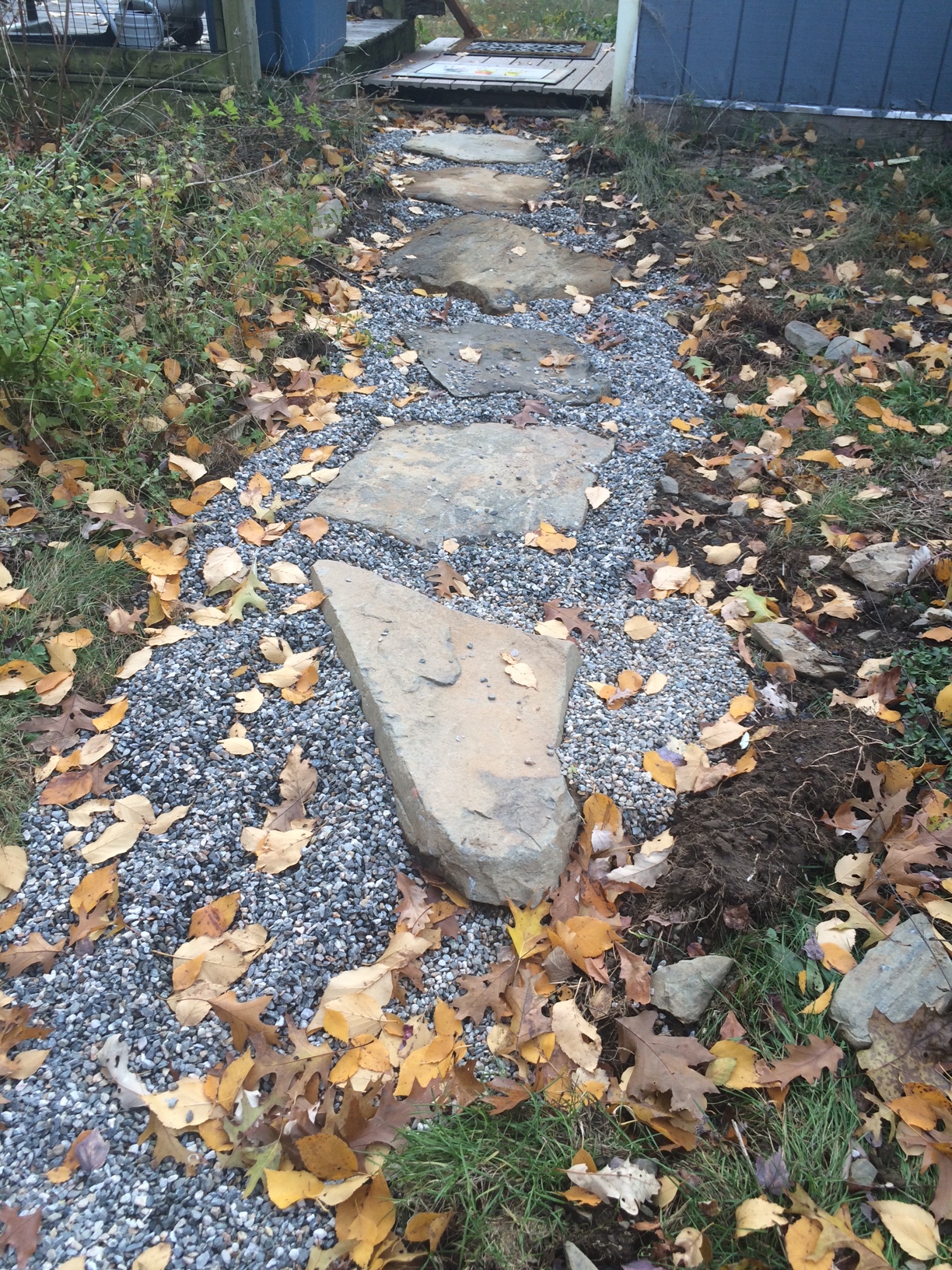
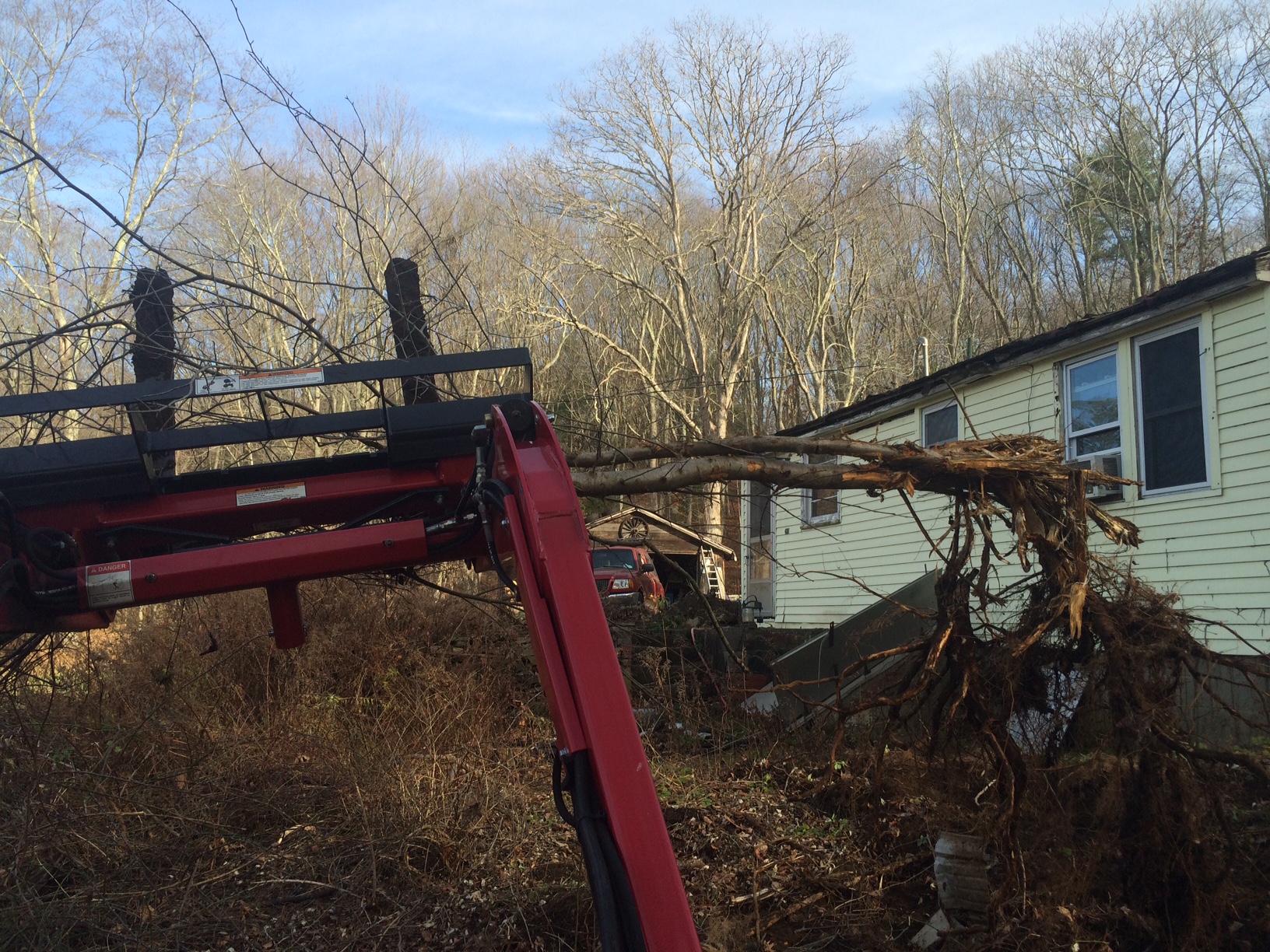
Thanksgiving Weekend...clearing brush right behind the house in prep for doing some roof repairs next weekend, and eventually getting to the screen porch.

Last harvest of the year!

Preparing the tater and squash beds to get a bunch of leaves from the dump. But Saturday ended up being a heavy rain wash-out.

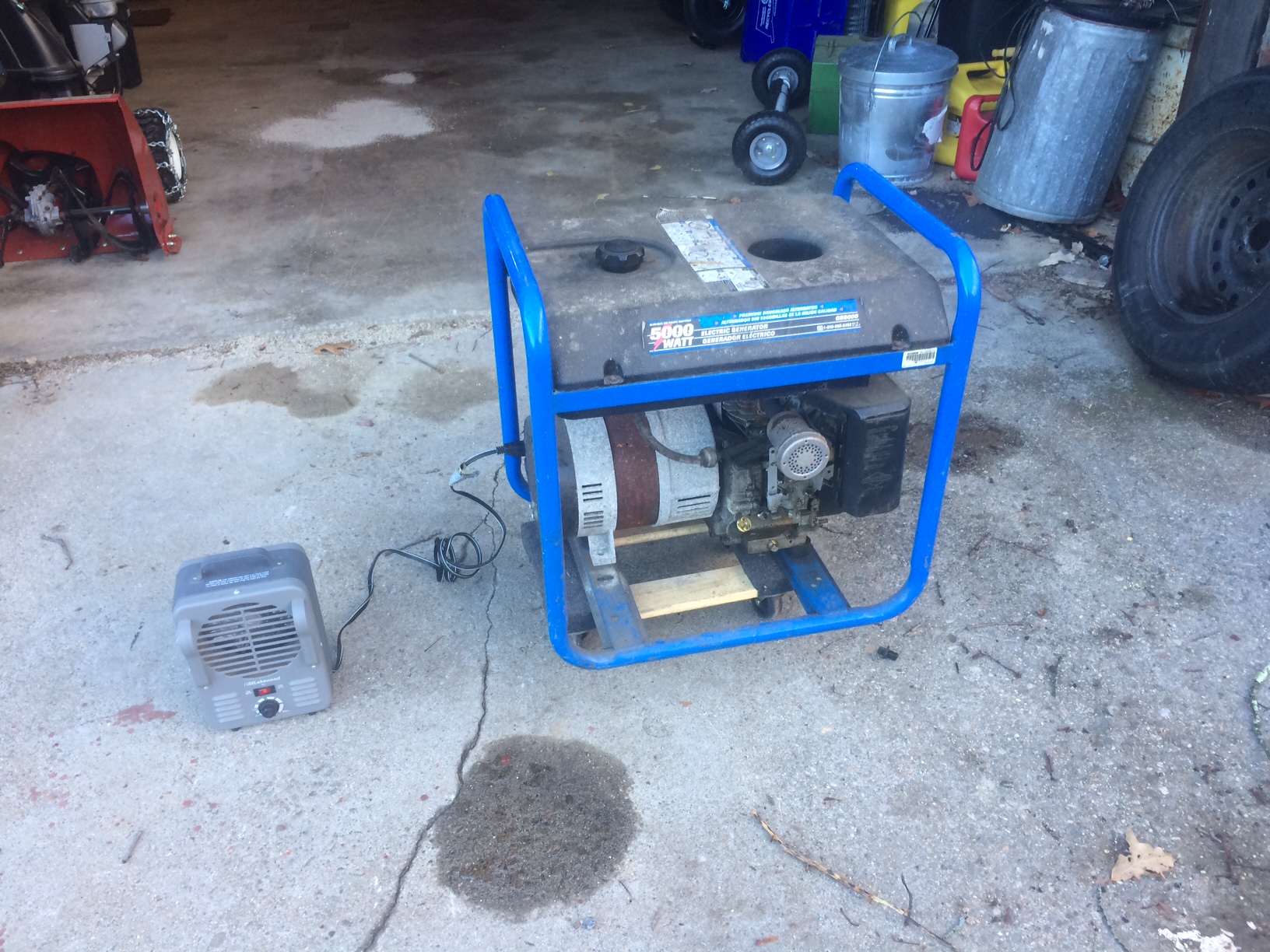
Testing the generator.

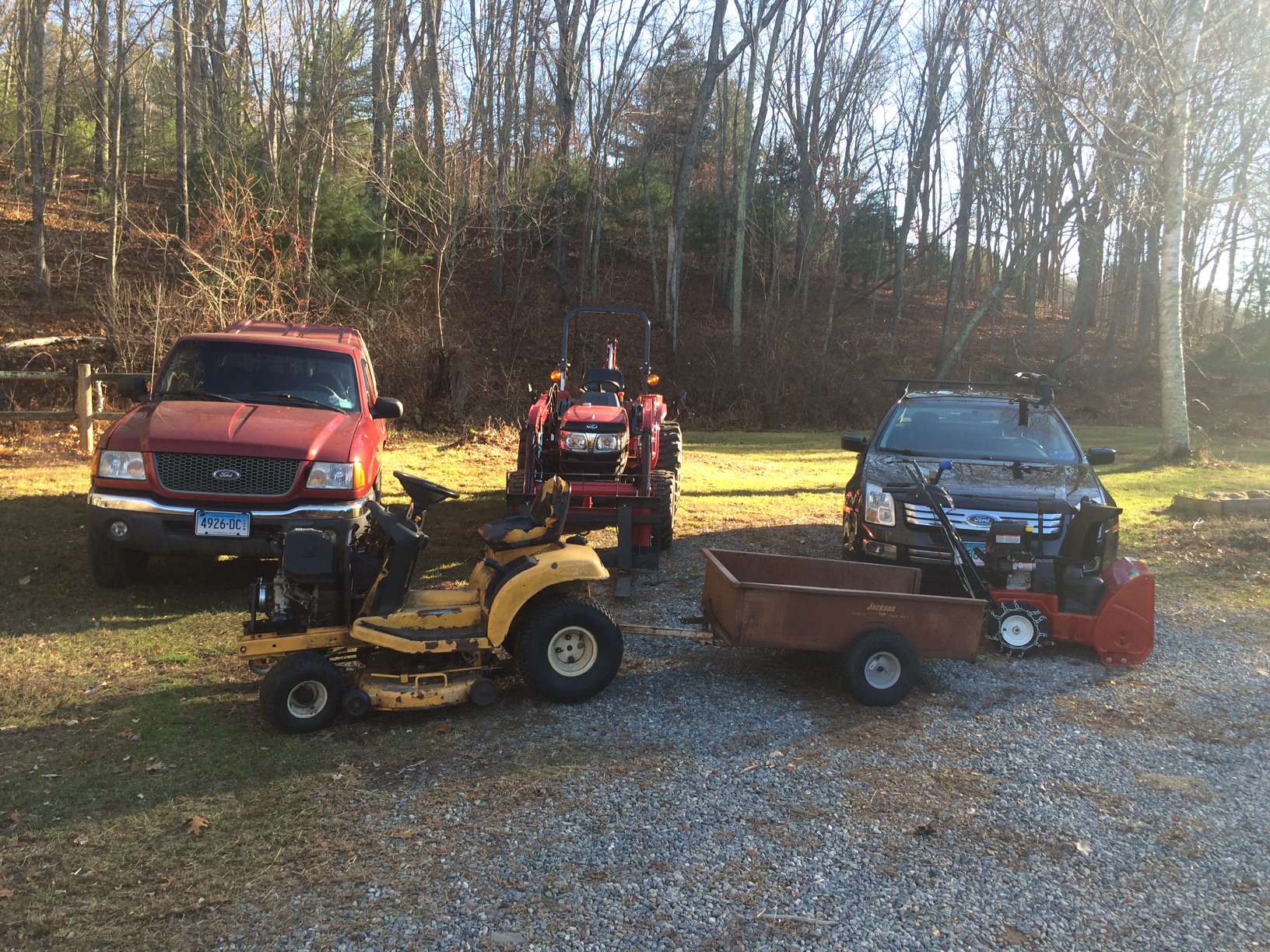
The fleet. I think Mickey the Mower (which I've had at least since 2012, I think 2011...heckuva good $300 spent).

I did motor maintenance first?

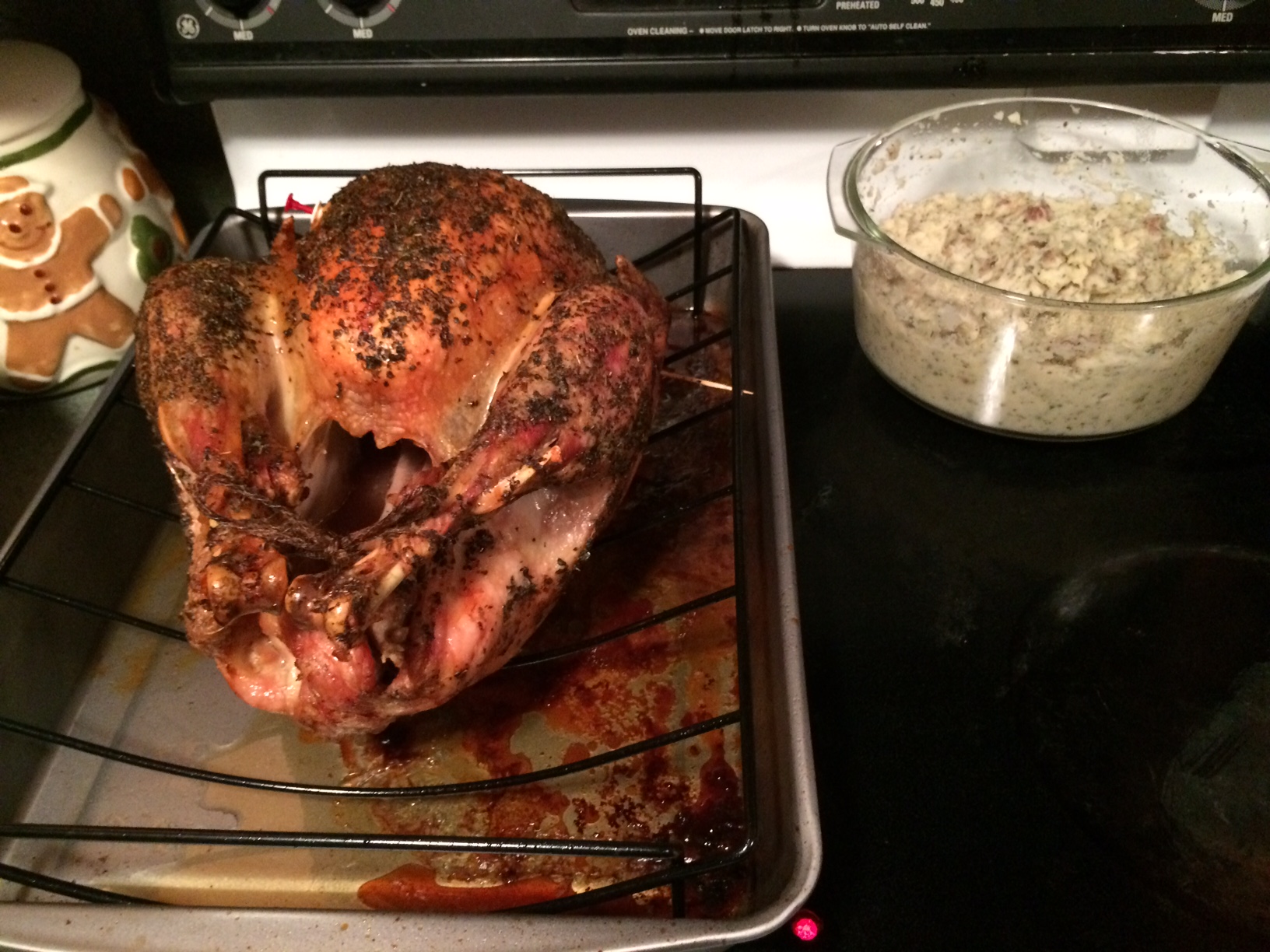
And a just-for-leftovers turkey second?

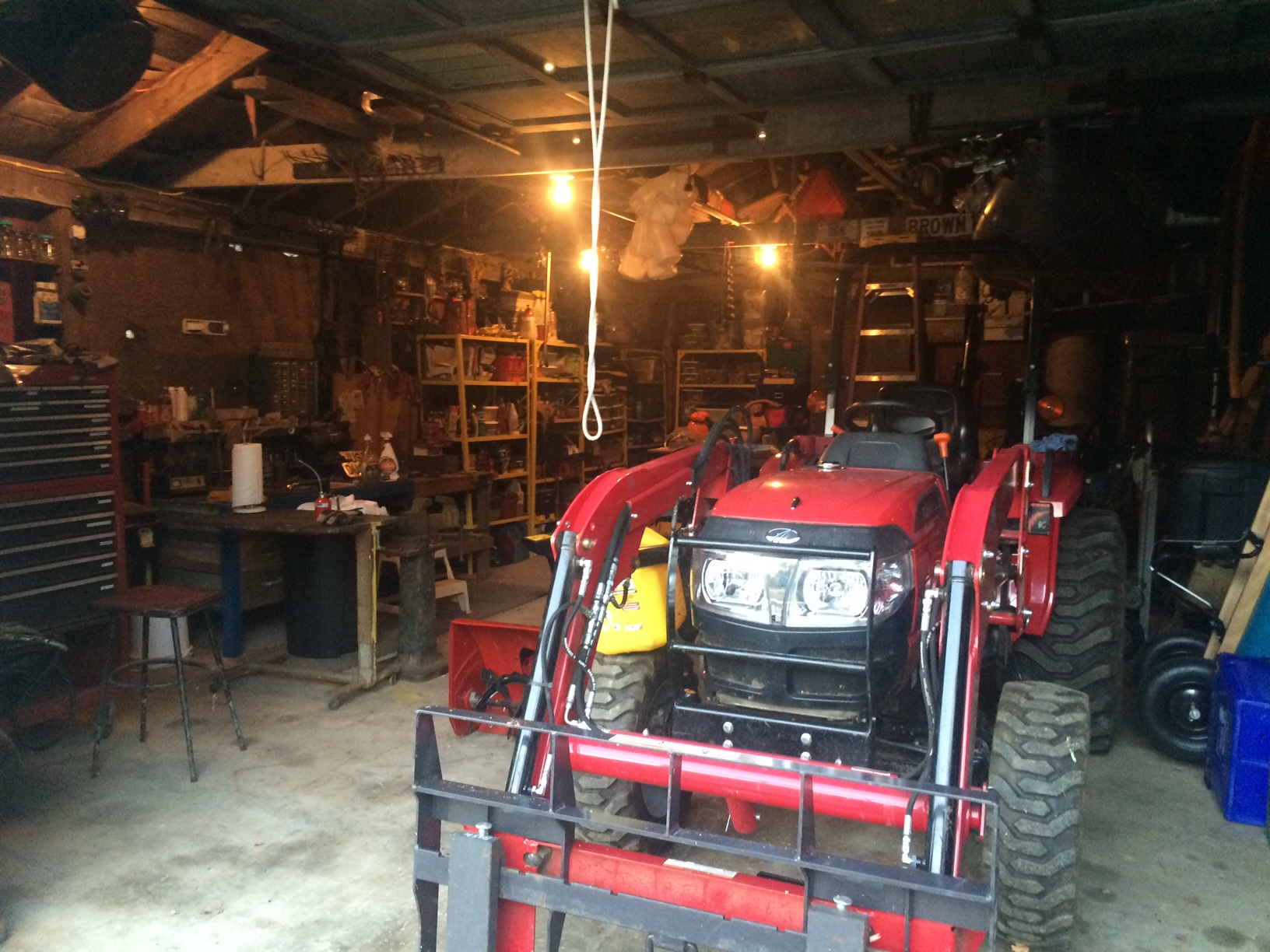
Dayum...the tractor fits!

I would need to leave the bucket off to close the door though.

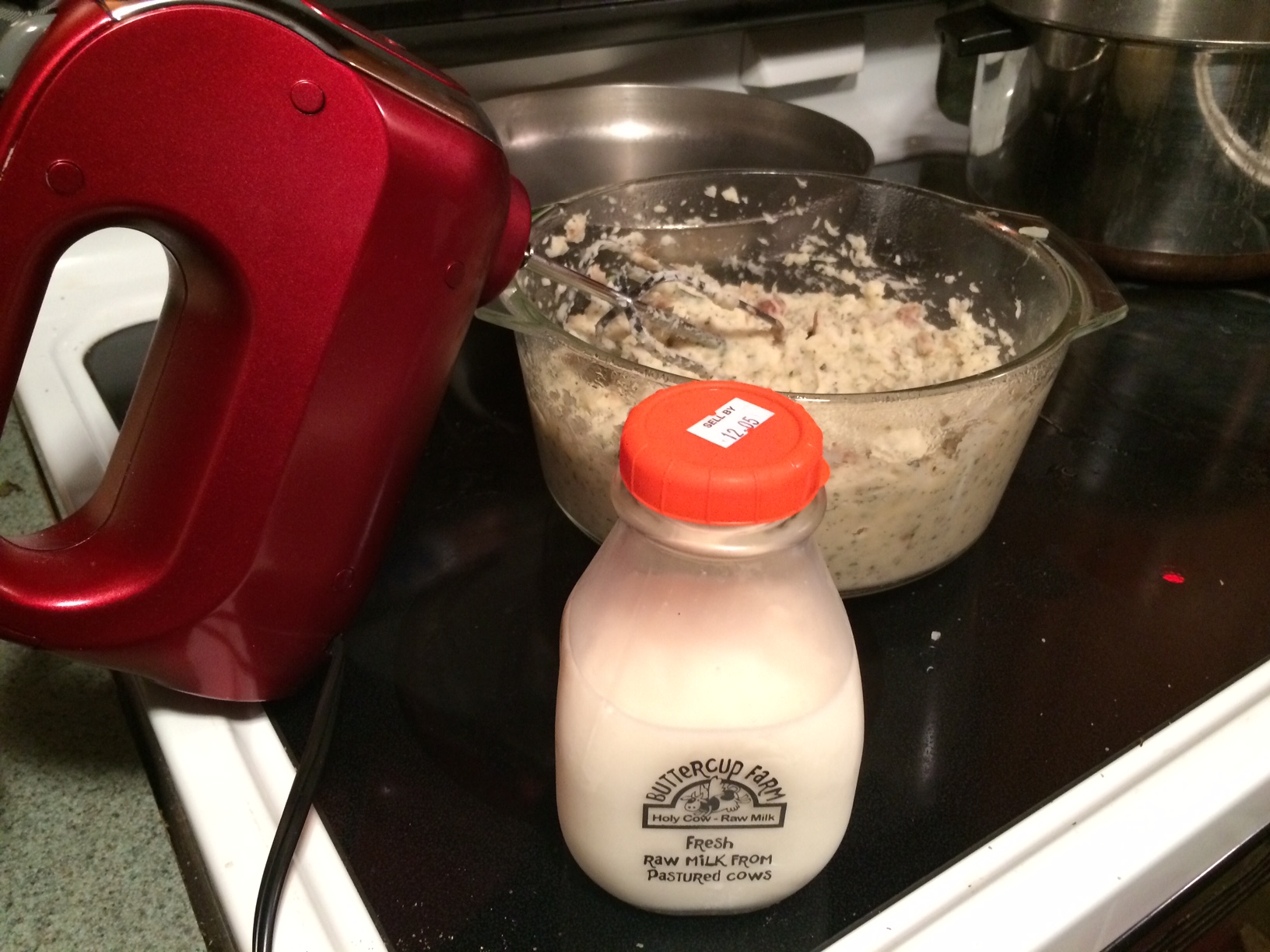
Awesome! Sweet Peas now carries pints of raw milk! I haven't been eating as much dairy, including yogurt, this year so a half a gallon has been tough to use up in time.


I think this measuring cup is about done...
Some awesome chicken rice soup!

Does make it easy to move the kayak :D
Buzzed shopping at a Scandinavian store will not end well...

Thanksgiving Weekend...clearing brush right behind the house in prep for doing some roof repairs next weekend, and eventually getting to the screen porch.
Last harvest of the year!

Preparing the tater and squash beds to get a bunch of leaves from the dump. But Saturday ended up being a heavy rain wash-out.
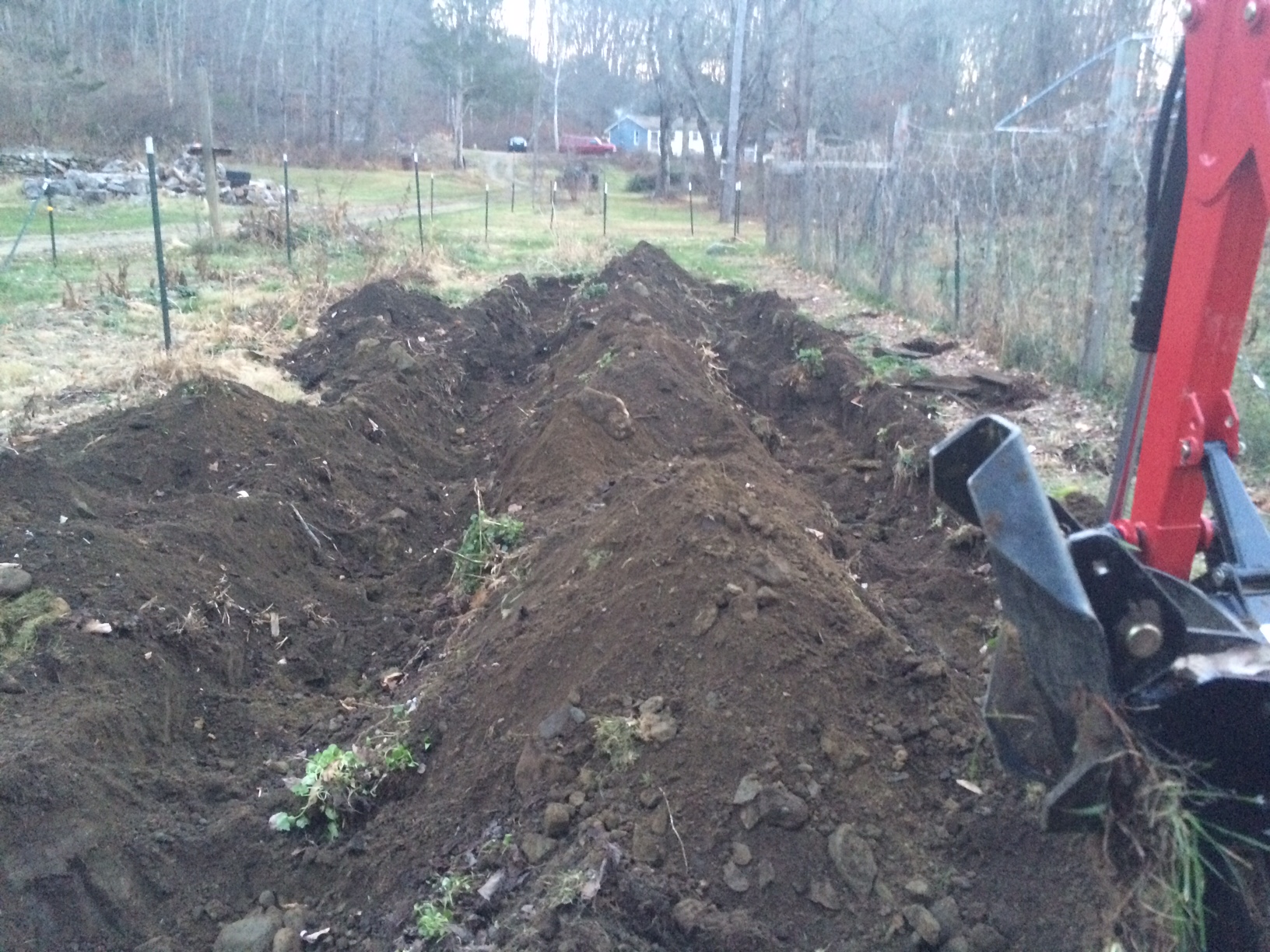
Testing the generator.
The fleet. I think Mickey the Mower (which I've had at least since 2012, I think 2011...heckuva good $300 spent).
I did motor maintenance first?
And a just-for-leftovers turkey second?

Dayum...the tractor fits!
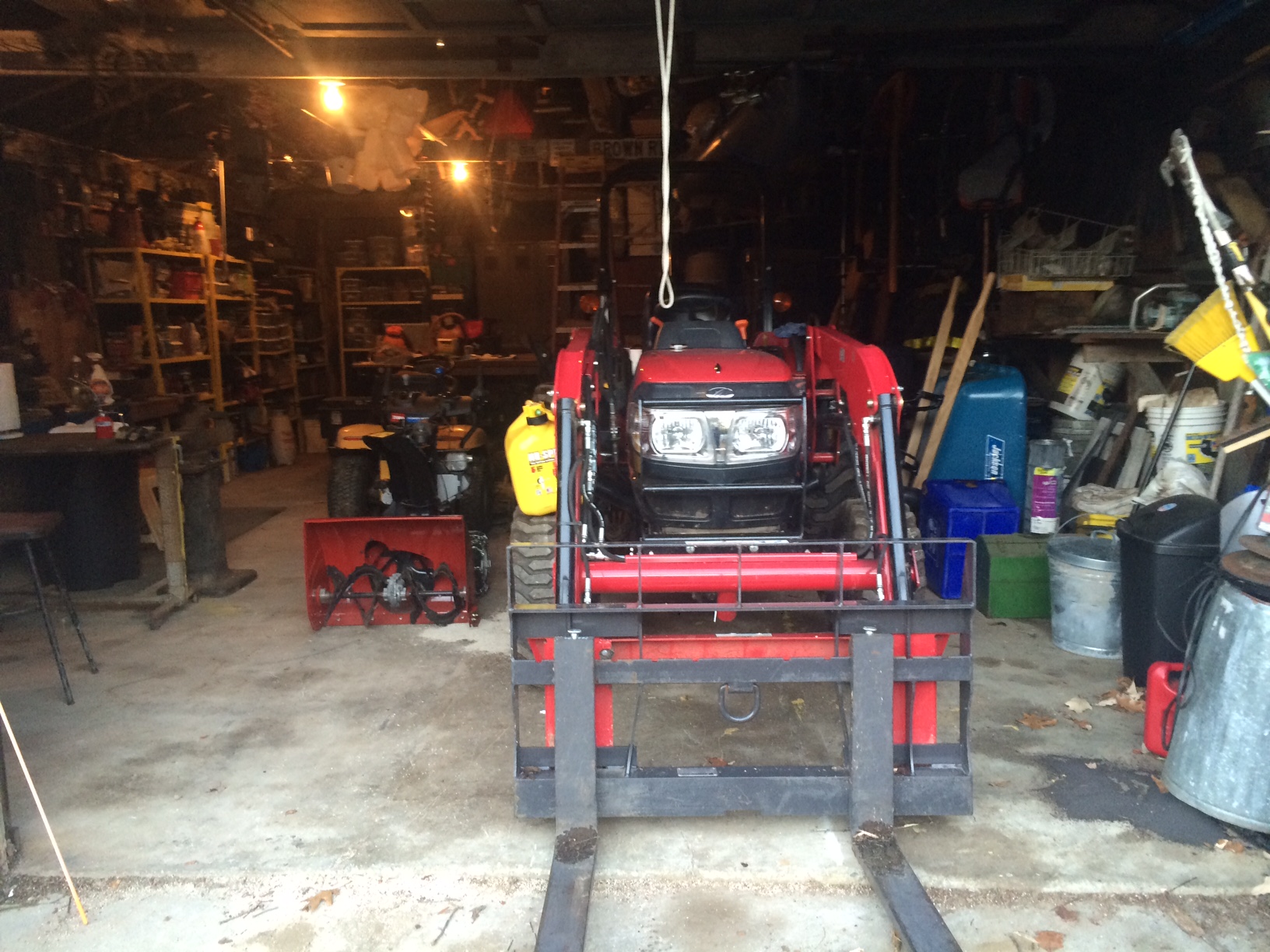
I would need to leave the bucket off to close the door though.
Awesome! Sweet Peas now carries pints of raw milk! I haven't been eating as much dairy, including yogurt, this year so a half a gallon has been tough to use up in time.
Sunday, November 22, 2015
Another place to visit...
If I ever get to London along with Kew Gardens and the Imperial War Museum:
Abney Park Cemetery
Editing to add -- the Castles of Wales.
Abney Park Cemetery
Editing to add -- the Castles of Wales.
Wednesday, November 18, 2015
Thursday, November 12, 2015
So Hamill, Abrams, Smith, and Lee sit around a table...
Disney buys Lucasfilm 2012.
Disney buys Marvel 2009.
This was filmed in 2005.
If this ends up being the key plot of Episode VII...(skip to about 10:15)
Disney buys Marvel 2009.
This was filmed in 2005.
If this ends up being the key plot of Episode VII...(skip to about 10:15)
Tuesday, November 10, 2015

Saturday, November 7, 2015

Subscribe to:
Posts (Atom)